A poorly fitted Irish dance shoe doesn't just hurt—it costs you points. Whether you're preparing for your first feis or your twentieth Oireachtas, the wrong ghillie can collapse your arch, and the wrong hard shoe can throw your timing. Soft shoes that gap at the heel slip during leaps; hard shoes with improper tip placement click out of rhythm. Here's how to find footwear that works as hard as you do.
Soft Shoes vs. Hard Shoes: Different Fit Priorities
Irish dance demands two completely different shoe types, each with distinct fit requirements. Understanding these differences is your first step toward proper selection.
Ghillies (Soft Shoes): The Sock-Like Second Skin
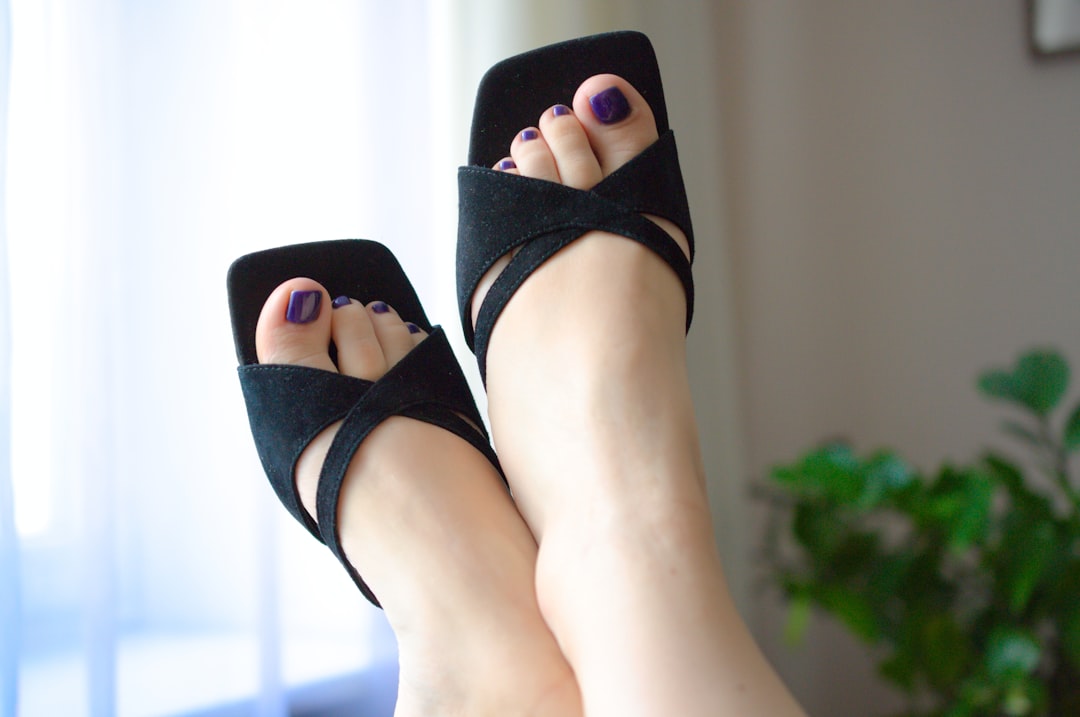
Soft shoes must fit like a glove—literally. When properly fitted, ghillies disappear on your feet, allowing judges to see clean lines rather than footwear.
Critical fit markers:
- Zero heel slippage: Your heel should lift with the shoe, not out of it
- Toe contact: Toes should touch the front without curling; any gap causes bunching during points
- Lace tension: Laces should secure the foot without cutting circulation; numbness means they're too tight
Most dancers size down ½ to 1 full size from street shoes for ghillies. Width matters enormously—brands like Rutherford and Antonio Pacelli run narrow, while Hullachan offers wider options.
Heavy Shoes (Hard Shoes): Structured Precision
Hard shoes function as percussion instruments. Fit affects sound quality as much as comfort.
Critical fit markers:
- Fiberglass tip alignment: The toe tip must sit directly under your metatarsal heads; misalignment strains ankles and dulls clicks
- Heel security: Heel counters should lock your foot in place; slippage here destroys timing
- Arch placement: The shoe's arch must match yours; mismatched arches cause midfoot pain and premature wear
Hard shoes require more toe room than ghillies—your toes spread when landing from jumps. However, excess width causes the foot to slide forward, compressing toes against the fiberglass tip.
When and How to Measure
Timing and technique dramatically affect measurement accuracy.
Best practices:
- Measure in late afternoon or evening, when feet are most swollen
- Measure both feet standing, not sitting—weight-bearing changes foot dimensions significantly
- Use the larger foot's measurements; never split the difference
- Trace both feet on paper for online orders; compare tracings to brand-specific size charts
Width considerations: Irish dance shoes traditionally run narrow. If you have wide feet, seek brands with width options rather than sizing up lengthwise, which creates heel slippage.
Brand Landscape: What Each Offers
| Brand | Specialization | Price Range | Best For |
|---|---|---|---|
| Rutherford | Premium hand-made hard shoes | $280–$400 | Competitive champions; customizable arch support |
| Antonio Pacelli | Soft shoes, split-sole innovations | $65–$120 | Dancers wanting maximum flexibility |
| Hullachan | Wide-fit specialists | $70–$150 | Dancers with broader feet; excellent hard shoe durability |
| Fays | Traditional construction, value | $55–$95 | Beginners; schools with bulk purchasing |
| Gavin Doherty | Custom hard shoes | $350–$500 | Elite competitive dancers with specific structural needs |
Regional availability varies: Irish and UK brands dominate European markets, while North American dancers often face longer shipping times or limited retail access.
Sole Construction: Performance Surfaces Matter
Soft Shoe Soles
Suede soles provide the controlled slide essential for Irish dance. Thickness affects performance:
- Thick suede (4–5mm): Longer lifespan, more cushioning, slightly slower movement
- Thin suede (2–3mm): Maximum floor feel, faster response, requires more frequent replacement
Floor surface compatibility: Thicker soles suit rough or outdoor practice surfaces; competitive dancers on sprung floors often prefer thin suede for precision.
Hard Shoe Construction
Hard shoe "soles" comprise fiberglass tips and heels attached to leather uppers. Key variables:
- Tip profile: Rounded tips produce warmer tone; flat tips create sharper attack
- Heel height: Standard (1.75") vs. high (2") affects posture and click clarity; higher heels tilt weight forward, engaging calves more intensely
- Sound quality: Dense fiberglass (Rutherford, Gavin) produces resonant tone; lighter construction sounds brighter but wears faster
The Breaking-In Process: Patience Prevents Injury
Soft Shoes
Ghillies require minimal break-in—2–3 practice sessions usually suffice. Methods:
- Wear for 15–20 minutes