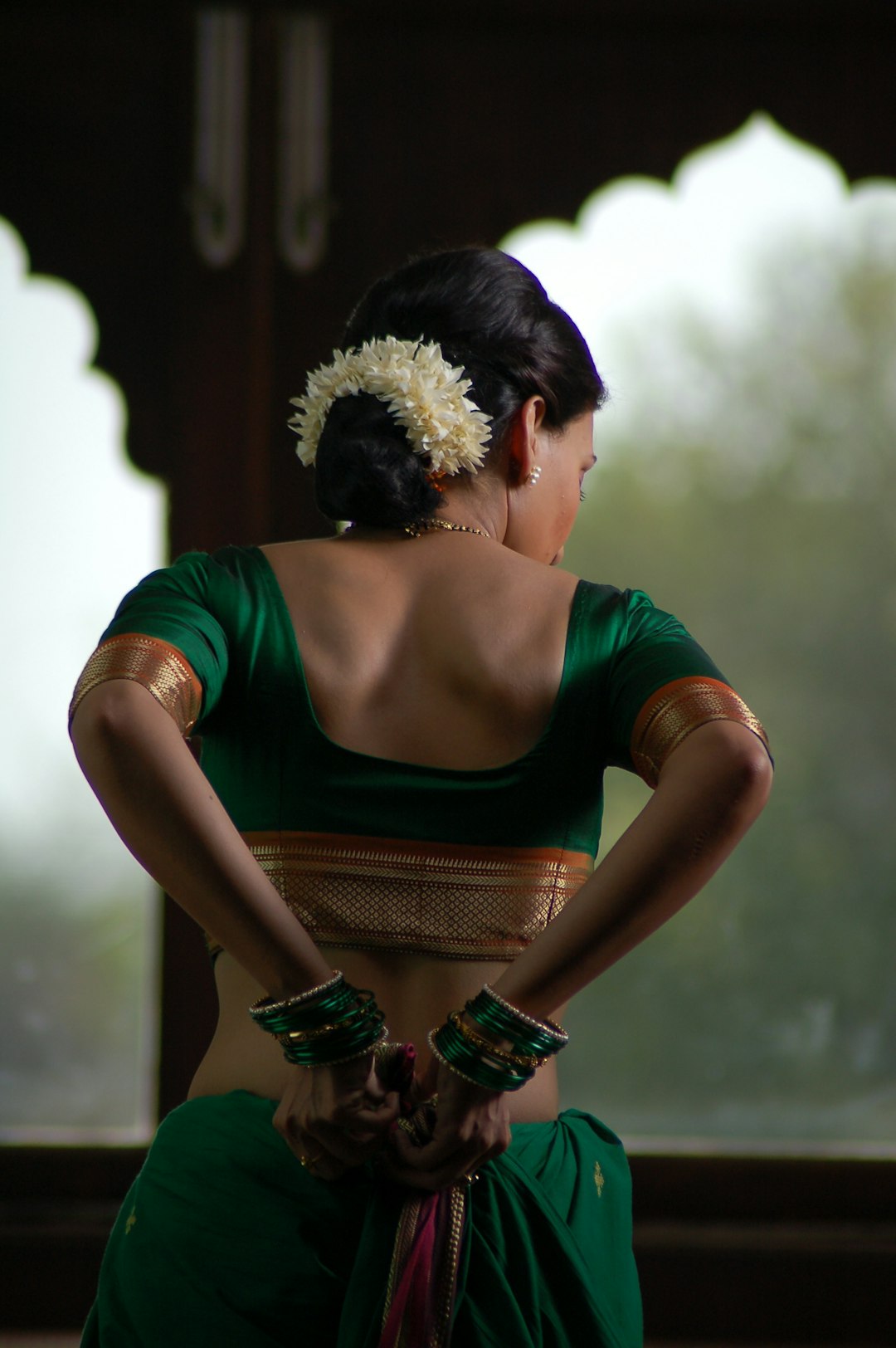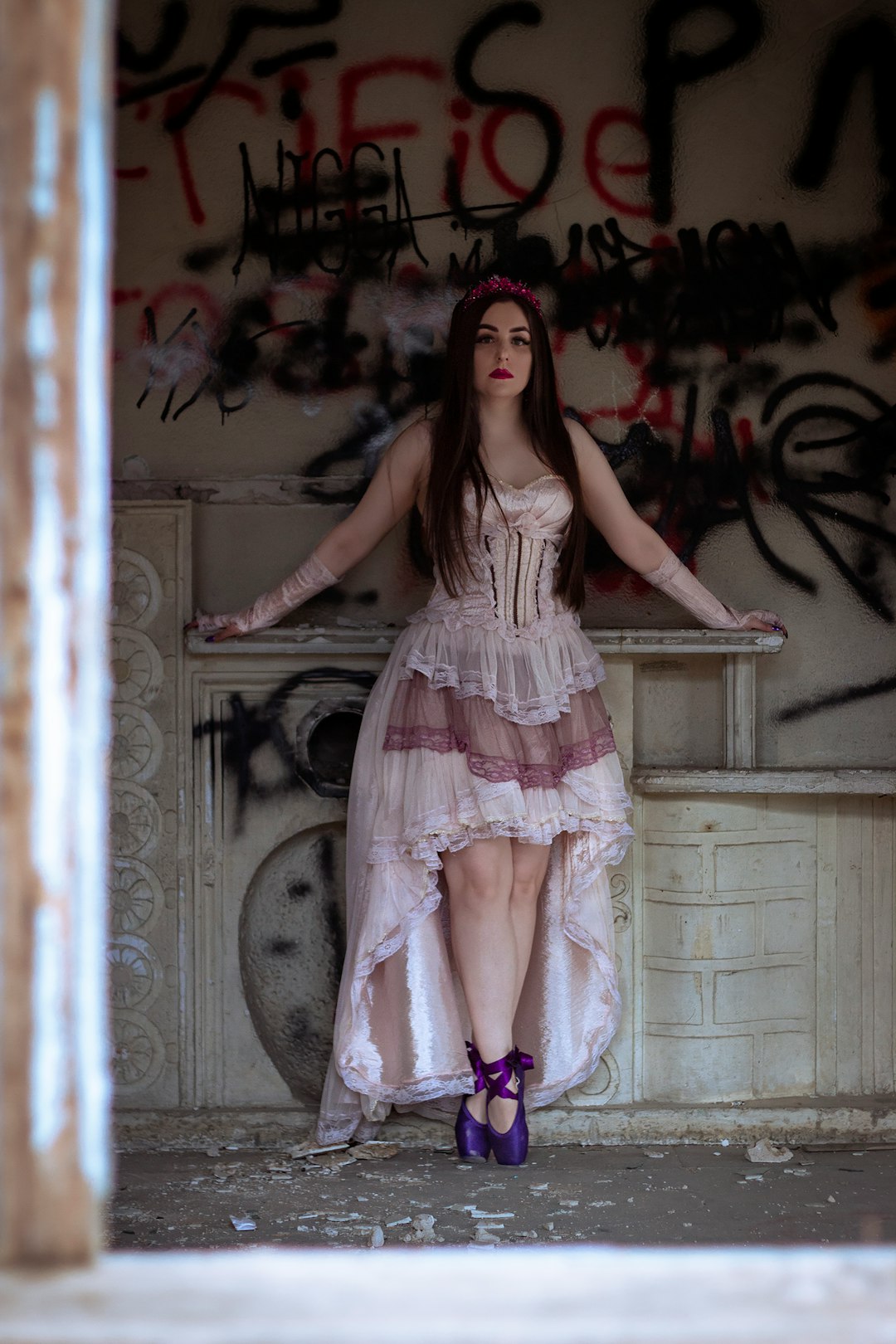
You're halfway through a pirouette combination when your waistband slips, your cotton tank clings with sweat, and your street sneakers stick to the marley floor. The wrong dancewear doesn't just look unprofessional—it actively interferes with your training, hides your alignment from instructors, and can even cause injury.
Whether you're stepping into your first jazz class or preparing for a performance, this guide breaks down exactly what you need, why it matters, and how to choose pieces that work with your body, not against it.
Universal Principles: What Every Jazz Dancer Needs
Regardless of gender or level, certain fundamentals apply to all jazz dance attire.
Prioritize Movement and Visibility
Jazz technique demands explosive jumps, deep lunges, and intricate footwork. Your clothing must:
- Allow full range of motion without shifting or riding up
- Fit close to the body so instructors can see your lines and alignment
- Stay in place through inversions, turns, and floor work
- Wick moisture to keep you comfortable and prevent chilling
Choose Performance Fabrics
Recommended: Moisture-wicking blends (typically 90% nylon or polyester with 10% spandex or Lycra), or breathable cotton-spandex mixes for low-intensity classes.
Avoid: 100% cotton for vigorous sessions—it becomes heavy and cold when saturated. Skip 100% polyester without spandex; it lacks breathability and restricts movement.
For Women and Those Who Wear Women's Dancewear
Foundation Layers
Bottoms
- Leggings or tights: High-waisted styles stay put during floor work. Look for gusseted crotches for durability and comfort.
- Shorts: Biker-style shorts offer coverage without fabric interference during turns.
Tops
- Fitted tanks or leotards: Racerback or cross-back designs stay in place through port de bras and arm movements.
- Cropped hoodies or wrap tops: For warming up; remove before center work to prevent overheating.
Supportive Undergarments
- Sports bra: Essential for all jazz work. Medium-to-high impact styles with encapsulation (separate cups) provide better support than compression alone for larger busts.
- Seamless underwear or dance briefs: Eliminate visible lines that distract from clean body lines.
Layering Strategy
- Tank or camisole under leotard: Adds warmth and coverage; choose moisture-wicking materials.
- Leg warmers: Wear for barre/warm-up, peel off for center work. Never layer fitted pants over fitted pants—this restricts joint mobility and distorts your teacher's view of your alignment.
For Men and Those Who Wear Men's Dancewear
Foundation Layers
Bottoms
- Fitted dance pants or shorts: Tapered ankles prevent tripping; drawstring waists allow adjustment.
- Unitards or leggings: Increasingly common for all genders; pair with shorts if preferred.
Tops
- Fitted tanks or tees: Avoid baggy styles that obscure torso engagement and shoulder alignment.
- Compression shirts: Provide muscle support and temperature regulation.
Essential Support
- Dance belt: Mandatory for male dancers, not optional. This specialized garment provides support and modesty during jumps, leaps, and floor work. Unlike athletic supporters, dance belts are designed to be worn under tight-fitting dancewear without visible lines. Choose thong-back for minimal visibility or full-seat for comfort during long rehearsals.
Footwear: Match Your Shoe to Your Needs
Jazz shoes vary dramatically. Choose based on your level, flooring, and choreography demands.
| Feature | Best For | Considerations |
|---|---|---|
| Split-sole | Intermediate/advanced dancers | Maximum arch flexibility, better point |
| Full-sole | Beginners | Added support for building foot strength |
| Slip-on | Quick changes, multiple classes | Convenient but may slip during vigorous movement |
| Lace-up | Performance, high-energy choreography | Secure fit, adjustable tension |
| Color | Studio requirements | Tan or black for class; performance shoes often match skin tone for barefoot aesthetic |
Critical note: Never wear street shoes on dance floors—they damage specialized flooring and compromise your safety. Carry dance shoes in a separate bag and change on-site.
Accessories and Finishing Details
Hair Management
- Secure styles: Buns, French braids, or pinned-back ponytails that survive floor work and rapid head turns.
- Headbands or clips: Control flyaways without hard edges that could cause injury.
Optional Additions
- Knee pads: Essential for floor-heavy choreography or dancers with previous knee issues.
- Wristbands: Manage sweat without touching your face during