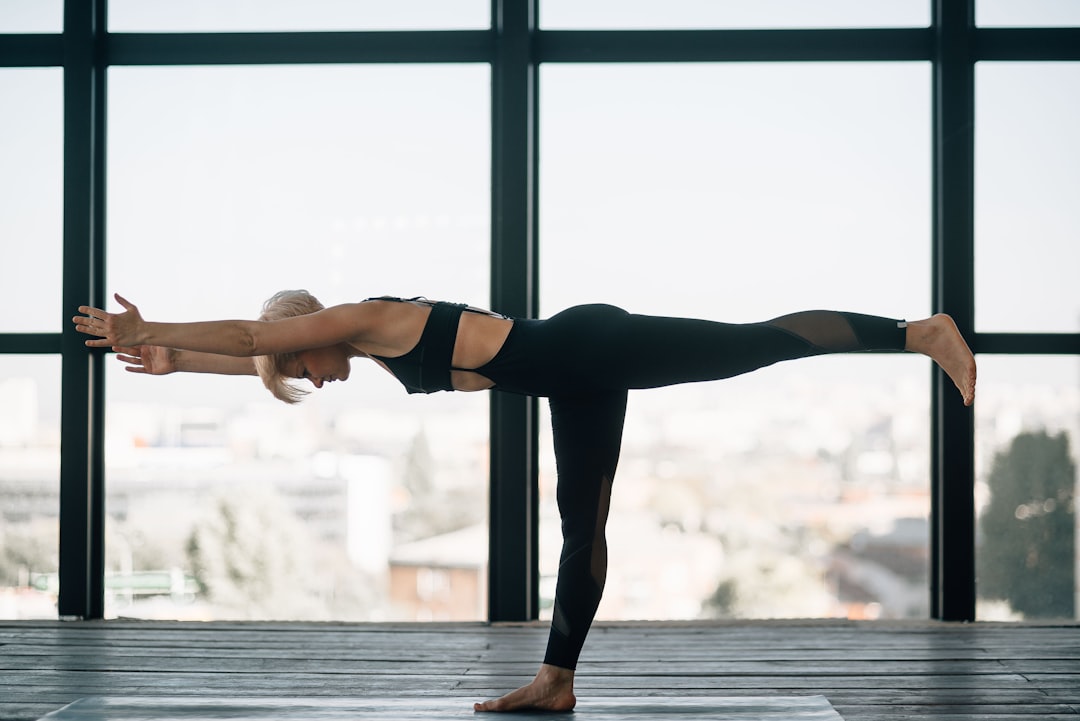
Jazz dance bursts with personality. It's sharp yet fluid, rooted in history yet constantly evolving. If you're stepping into your first class or looking to build confidence in this theatrical, rhythm-driven style, this guide will help you move with intention—and have fun doing it.
1. Understand What Jazz Dance Really Is
Jazz dance is more than "dancing to jazz music." It's a technique with deep roots in African diasporic traditions, American social dance, and vaudeville, which evolved into the theatrical form seen on Broadway and in concert dance today. Pioneers like Jack Cole (often called the father of theatrical jazz dance) and Katherine Dunham shaped its vocabulary by blending Caribbean and African movement with concert dance training.
For beginners, this matters because jazz dance rewards individuality. Unlike some classical forms that prioritize uniformity, jazz encourages you to interpret the music, play with dynamics, and bring your own flair to every step.
2. Get the Right Gear
Your footwear can make or break your first class. Here's what to know:
| Shoe Type | Best For | Notes |
|---|---|---|
| Slip-on jazz shoe | General classes, beginners | Easy to put on, flexible, good floor feel |
| Lace-up jazz boot | More ankle support, turning | Slightly more structured; popular with teens and adults |
| Split-sole | Pointed feet, advanced technique | Enhances arch flexibility; less cushioning |
| Full-sole | Beginners, building foot strength | More support while you develop muscle control |
| Barefoot / foot undies | Contemporary-jazz, lyrical fusion | Common in modern class settings |
Wear fitted, breathable clothing you can move in—leggings or shorts with a tank or fitted tee work well. Avoid overly baggy clothes that hide your lines, since instructors need to see your alignment.
3. Learn the Language of Jazz
Yes, you'll hear ballet terms like plié and relevé in class. But jazz dance has its own distinctive vocabulary. Master these early and you'll follow choreography with much more confidence:
- Isolations – Moving one body part independently (head, shoulders, ribs, hips)
- Contractions – A rounded, withdrawn torso position; central to jazz's emotional range
- Flat back – Hinging forward from the hips with a level spine
- Jazz walk – A low, stylized traveling step with turned-out legs and deliberate attitude
- Chassé – A gliding step where one foot "chases" the other
- Pivot turn / pas de bourrée – Quick directional changes that appear constantly in combinations
Don't stress if these feel foreign at first. Repetition in class will make them second nature.
4. Practice with Purpose
Home practice accelerates progress—but only if it's focused. Try this:
- Use a mirror to check posture, alignment, and whether your isolations are clean.
- Record yourself doing combinations. You'll spot habits (dropped elbows, unfinished lines) that mirrors miss.
- Mark through choreography when you're tired; full-out dancing when you're fresh.
- Practice to music whenever possible, even if you're just drilling isolations or walks.
Even 15–20 minutes, three times a week, will create noticeable improvement.
5. Condition Your Body
Jazz dance demands core strength, flexible hips, and articulate feet. A little targeted conditioning goes a long way toward faster progress and fewer injuries:
- Core: Planks, dead bugs, and Pilates-style roll-ups build the stability you need for contractions, turns, and controlled extensions.
- Feet and ankles: Ankle circles, theraband exercises, and "doming" (lifting the arch while keeping toes and heel grounded) improve point and landing safety.
- Hips and hamstrings: Hip openers like figure-four stretches and dynamic lunges increase your range for kicks, leaps, and wide jazz positions.
Warm up before every practice. Cold muscles and jazz's quick directional changes are a risky combination.
6. Embrace the Music
Musicality separates good dancers from great ones. Jazz choreography lives in its relationship to the score—hitting accents, riding through sustained notes, or playing deliberately against the beat.
Start building your ear with these entry points:
- Big band swing – Count Basie, Duke Ellington. Classic, predictable phrasing; excellent for learning how to "count in eights."
- Bebop and cool jazz – Charlie Parker, Miles Davis. Faster, trickier rhythms that challenge your timing.
- Jazz-funk and electro-swing – Modern class staples with heavy beats and playful energy.
In class, notice how