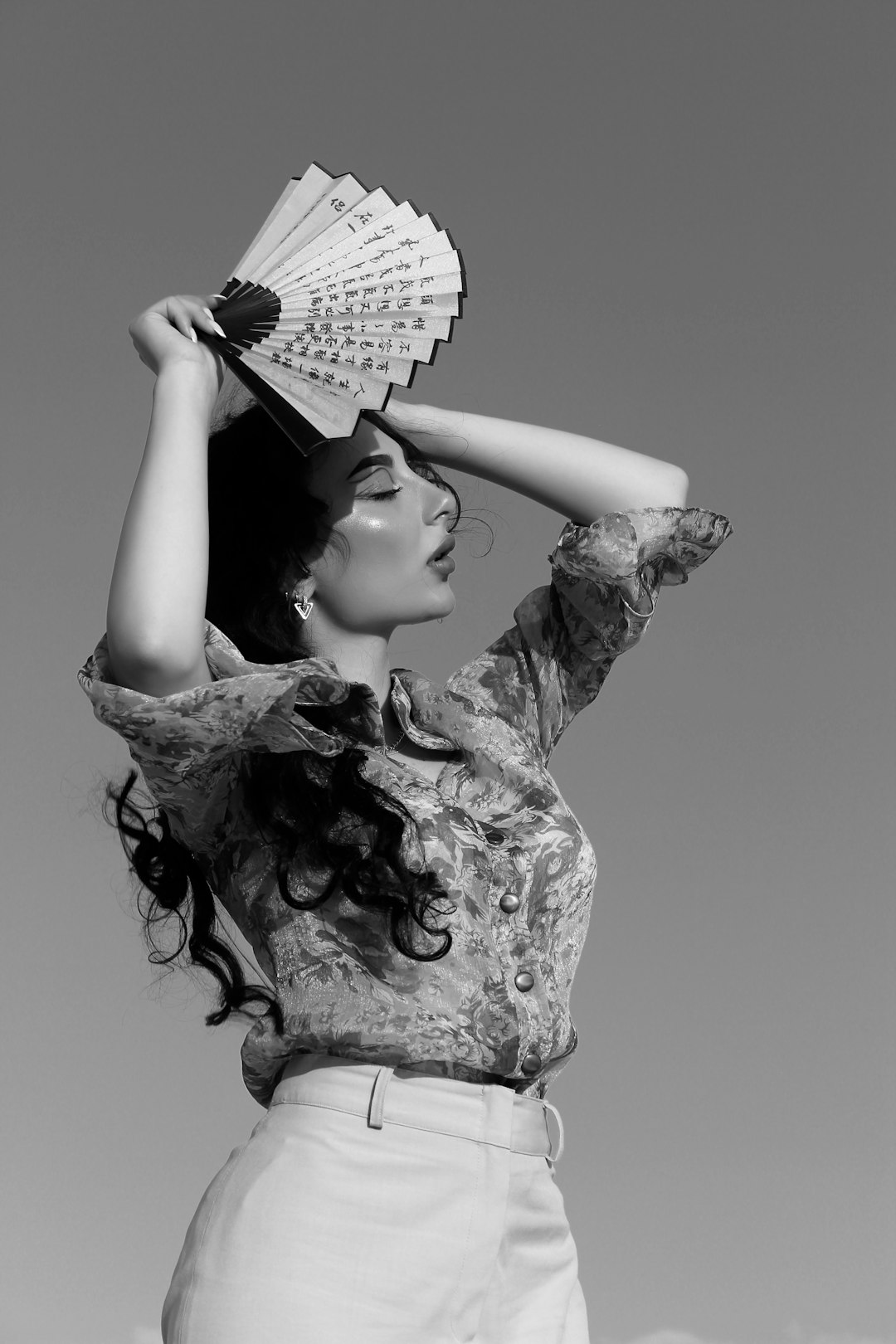
Discover the rhythmic energy that made Broadway stages and music videos come alive. Jazz dance blends athletic precision with expressive freedom, making it one of the most accessible and rewarding dance styles for newcomers.
What Is Jazz Dance? History and Evolution
Jazz dance emerged from African American communities in New Orleans and Harlem during the 1920s-1940s, evolving alongside jazz music itself. Unlike the European-influenced ballet, this theatrical dance form grew from vernacular roots—social dances, club performances, and cultural expression that prioritized individual style and rhythmic interpretation.
The style transformed dramatically through the mid-20th century. Choreographers like Jack Cole (the "father of theatrical jazz dance") and Bob Fosse revolutionized the form, bringing it to Hollywood films and Broadway musicals. Today, jazz dance encompasses everything from traditional vernacular styles to the commercial jazz seen in contemporary music videos.
What distinguishes authentic jazz technique is its emphasis on isolation (moving body parts independently), syncopation (accenting unexpected beats), and personal expression. While it incorporates ballet's alignment and modern dance's groundedness, jazz maintains its distinctive pulse and attitude.
Essential Gear: What to Wear and Bring
Before stepping into your first class, prepare properly:
| Essential | Recommendation | Why It Matters |
|---|---|---|
| Footwear | Jazz shoes (leather or canvas) or bare feet for beginners | Provides traction for turns while allowing foot articulation |
| Clothing | Form-fitting athletic wear | Allows instructors to see alignment; prevents tripping |
| Water bottle | Easily accessible | High-intensity movement requires hydration |
| Hair ties | Secure ponytail or bun | Keeps vision clear during floor work and turns |
Avoid loose jewelry, baggy pants, or socks on smooth floors.
Basic Jazz Dance Moves for Beginners
Master these foundational movements before attempting combinations. Focus on musicality—each move responds to specific rhythmic elements.
The Ball Change (Weight Transfer)
Often mistakenly called "the bounce," this fundamental step establishes rhythmic connection.
How to execute:
- Stand with feet shoulder-width apart, knees softly bent, weight evenly distributed
- Transfer weight to your right foot, then quickly replace it to the left on the count "&-1"
- Keep your upper body relaxed and lifted through the crown of your head
- Timing: The movement happens sharply on the off-beat, creating syncopation
Common mistake: Bending too deeply—maintain athletic readiness without sinking into your hips.
The Shoulder Shimmy
This playful isolation adds texture and personality to your dancing.
How to execute:
- Relax arms at your sides or place hands on hips
- Rapidly alternate lifting right and left shoulders, creating a vibrating effect
- Isolate the movement—keep your ribcage and head stable
- Musical application: Execute during held notes or brass accents for dramatic effect
Progression: Add a slight knee bend that pulses with each shoulder lift for fuller body integration.
The Chest Pop
A sassy, percussive accent that punctuates musical phrases.
How to execute:
- Stand in neutral alignment with shoulders drawn down your back
- Isolate your sternum forward (not upward) approximately two inches, then release
- Engage your core to prevent lower back arching
- Timing: Sharp and staccato—think "hit and release" rather than sustained extension
Safety note: If you feel lower back compression, reduce your range and focus on core engagement.
The Hip Swivel
Creates dynamic, fluid movement through pelvic rotation.
How to execute:
- Maintain vertical alignment—imagine a string pulling through your spine
- Rotate your pelvis right, center, left, center in a smooth circular pattern
- Keep your ribcage and shoulders facing forward (true isolation)
- Variation: Add a slight plié (knee bend) that deepens as the hip swings outward
Your First Jazz Dance Combination
Apply these moves in sequence. Practice slowly with counts, then gradually match tempo.
8-Count Phrase:
- Counts 1-2: Ball change right-left, preparing your arms in second position
- Counts 3-4: Shoulder shimmy (four quick pulses)
- Count "&-5": Sharp chest pop on the off-beat
- Counts 6-7: Hip swivel right-center-left-center
- Count 8: Hold with jazz hand (fingers splayed, wrist flexed)
Repeat the sequence, reversing your ball change direction. Once comfortable, add your own arm styling and facial expression—attitude transforms technique into performance.
Music to Fuel Your Practice
Jazz dance requires specific rhythmic structures. Start with these accessible tracks across eras:
| Era | Artist/Track | Why It Works | |-----|-----------|