---
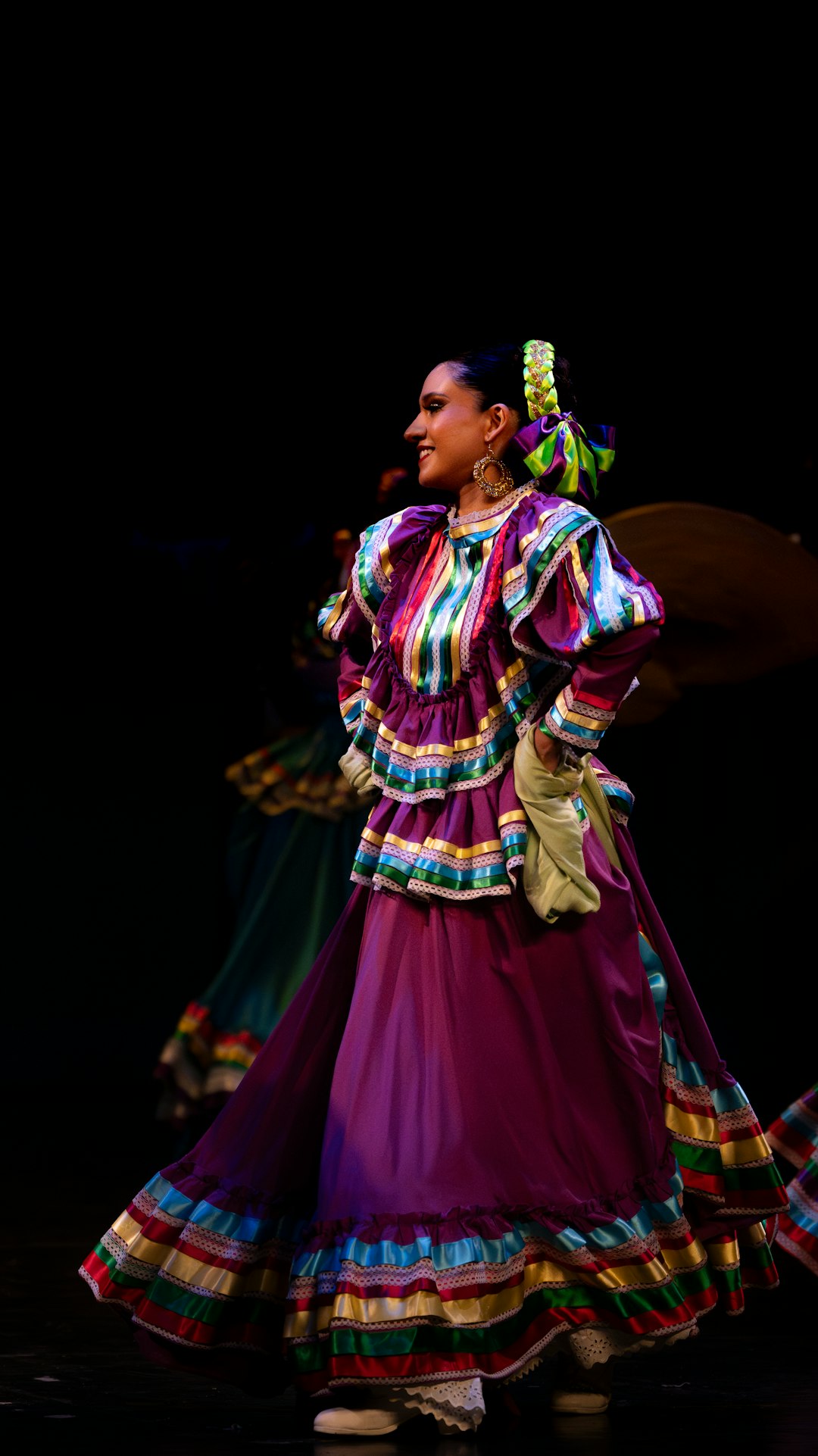
There's a moment late on Saturday nights at Kennard Tango Academy when the lights go low and the music kicks in — and suddenly you're not watching a class anymore, you're watching something raw. Two bodies moving like they've known each other for years, feet clicking the hardwood in that sharp, deliberate way that makes your chest tight. That's the thing nobody tells you about tango until you're standing in the room watching it happen: it's not really about the steps. It's about the way the dance forces you to be present, to pay attention, to actually listen to another person.
If that sounds intense, good. Tang o doesn't want you if you want something easy.
Finding Your Feet
Kennard City isn't the kind of place that makes the national dance maps, and honestly, that might be why the scene here clicks the way it does. No tourist crowds, no performative nonsense — just people who show up week after week because they're a little obsessed. The schools here know this. They've built their entire approach around the fact that tango rewards patience and penalizes shortcuts.
Kennard Tango Academy is where most people start, and it's not hard to see why. Carmen Vega, who runs the beginner workshops, has this way of making you feel like you've been dancing your whole life even when you're literally learning what a "cross" is. Her teaching philosophy is simple: if you can't lead or follow without thinking about it, you're not ready to think about anything else. Classes run in six-week cycles, and by week four, most students are moving well enough to catch that spark of "oh, this might actually be fun."
The advanced sessions on Thursday nights are something else entirely. No structured curriculum — just a rotating cast of pros and locals who show up to drill technique and play. The floor gets crowded, the energy gets pointed.
The Places That Feel Different
Passionate Steps sits in a converted warehouse on the east side, and walking in, you immediately notice the walls covered in black-and-white photographs of dancers who actually competed. This isn't a recreation thing for them. Mira Okonkwo, the founder, teaches with the kind of intensity you'd expect from someone who did theango circuit for a decade. Her workshops aren't for the casual — they're for people who want to understand weight transfer, axis, the difference between "moving" and "being moved."
What separates Passionate Steps from everywhere else is the performance program. If you've got the bug, you can actually work toward showing at regional milongas. It's not polished. It's better.
Elegance in Motion is the counter-program. Small class sizes, a focus on fundamental mechanics, and instructors who won't let you advance until your posture and frame are where they need to be. Thomas Duran, the main teacher, will correct the same thing on you for three weeks straight without blinking. It sounds harsh, but it's exactly what people who struggle with the basics need. No shame, no shortcuts — just the work.
The Scene
Here's what nobody markets about Kennard City's tango community: it's small enough that if you show up regularly, people remember you. That's terrifying and wonderful in equal measure. You're not a number in a system. You're the person who's been coming to Tuesday classes for a month and still can't find their axis.
The social dances — milongas, in the argot — happen monthly at rotating locations, and they're open to everyone regardless of where you train. No pretense, no door policy beyond "be clean, be kind, ask before you step on someone's foot." The regulars are welcoming without being overbearing, and there's always someone willing to grab a newcomer for a tanda and talk them through the fundamentals.
If you're thinking about it, just go. Show up to a beginner class, make mistakes, feel awkward. That's the whole point — tango doesn't reward the naturally talented. It rewards the people who come back.