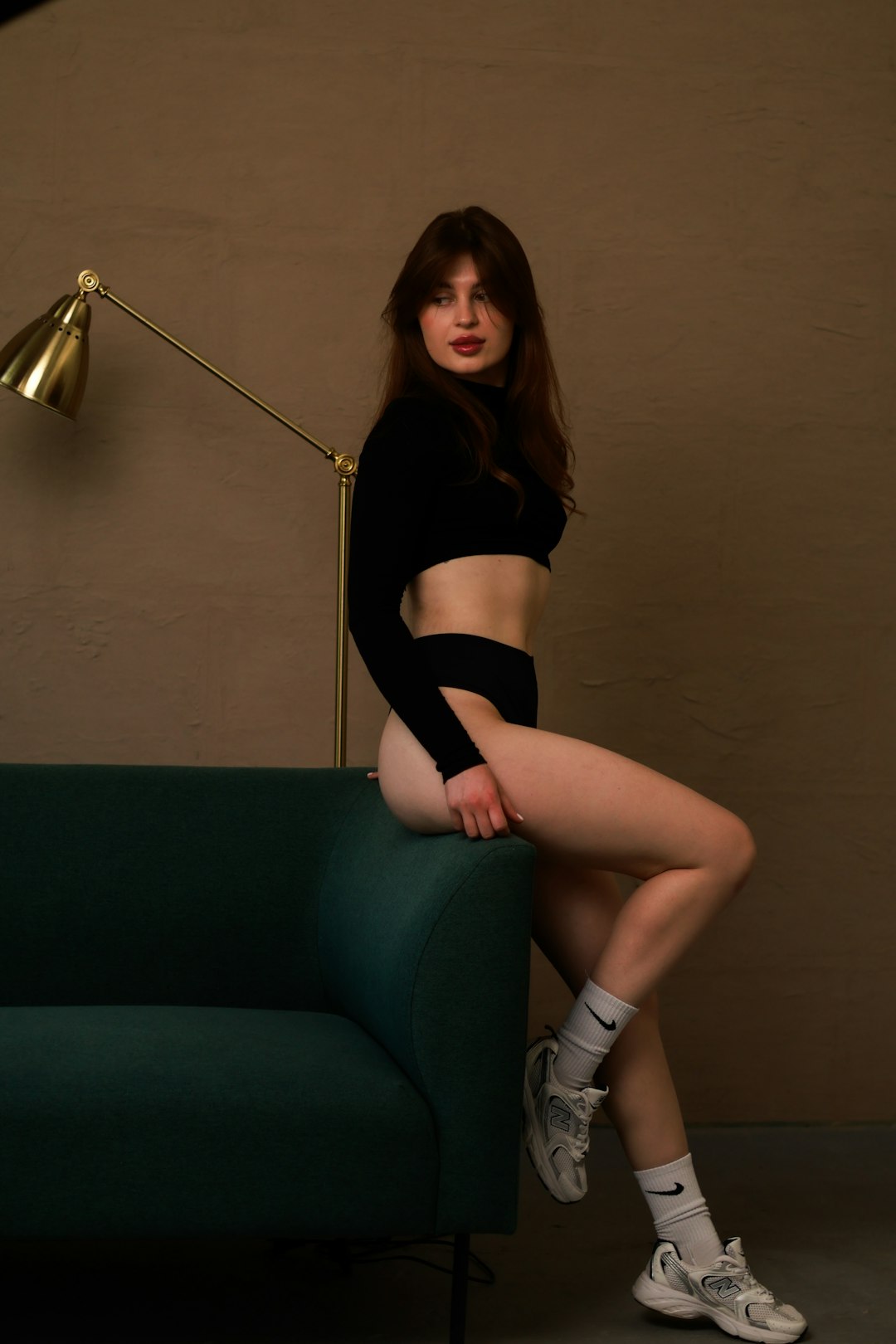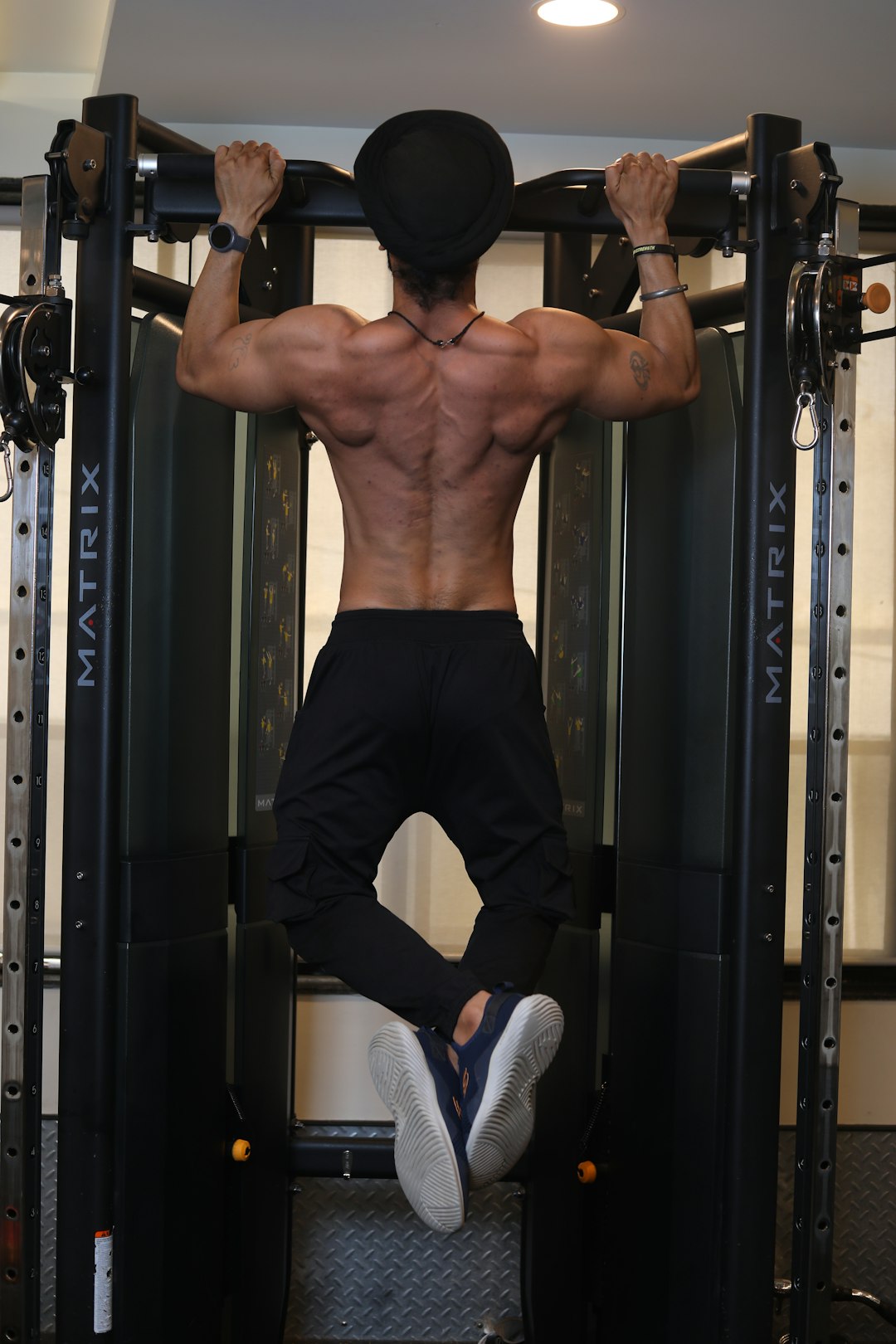
Born in the streets of South Central Los Angeles in the early 2000s, Krump emerged as a raw, cathartic alternative to gang culture—founded by dancers Tight Eyez and Big Mijo as an evolution of Tommy the Clown's "clowning" movement. This high-intensity style demands clothing that survives aggressive floor work, explosive chest pops, and hours of battle sessions.
Whether you're stepping into your first studio class or preparing for a street circle battle, your outfit needs to work as hard as you do. Here's how to build a functional, authentic Krump wardrobe.
1. Build a Smart Layering System
Krump sessions can last hours, with dancers moving between intense bursts of energy and recovery periods. A strategic layering system keeps you prepared:
- Base layer: Moisture-wicking compression shirt or tank to manage sweat
- Mid-layer: Breathable cotton or cotton-blend tee for temperature regulation
- Top layer: Oversized piece you can shed as body heat rises
Prioritize four-way stretch fabrics with reinforced stitching at stress points. Flatlock seams prevent chafing during repetitive arm swings and chest pops.
2. Embrace Oversized Streetwear (With Purpose)
Krump fashion draws directly from oversized streetwear culture—think 2XL tees and baggy sweats that amplify your silhouette during arm swings and jabs. The extra fabric creates visual drama and emphasizes the aggressive, expansive nature of the style.
Practical considerations:
- Sleeve length shouldn't catch on jewelry or accessories during rapid movements
- Shoulder seams should drop below your natural shoulder for maximum arm mobility
- Hem length matters—too long and it interferes with knee drops; too short and you lose the aesthetic impact
While black dominates battle culture, your color choices can signal crew affiliation or your personal "character." Just ensure visibility in low-light session environments.
3. Choose Bottoms Built for Destruction
Standard gym shorts won't survive Krump's punishing floor work. Between knee drops, slides, and ground-based transitions, your lower body takes serious abuse.
What to look for:
- Reinforced knee panels or double-layered cotton construction
- Cropped joggers: Protect the knee while keeping ankles visible for footwork clarity
- Tapered sweatpants: Avoid excess fabric around the ankles that could trip you up
- Basketball shorts with compression liners: Prevents chafing during long sessions
Avoid thin, lightweight materials that tear easily. Expect to replace heavily used Krump pants every 6-12 months regardless of quality.
4. Select Footwear for Your Environment
Your shoe choice depends entirely on where you're dancing:
| Setting | Best Options | Avoid |
|---|---|---|
| Street sessions/concrete | Low-profile skate shoes (Vans, DC, Etnies) | Running shoes—the forward pitch disrupts balance during upright stance work |
| Studio/wood floors | Split-sole dance sneakers or barefoot | High-top boots that restrict ankle mobility |
| Battles with mixed surfaces | Cross-trainers with minimal, flat tread | Thick-soled running shoes, high heels |
Critical specs: Flat, non-marking sole; adequate arch support for extended sessions; secure lacing that won't come undone mid-battle. Some experienced dancers battle barefoot for maximum floor connection, but build foot strength gradually to avoid injury.
5. Accessorize With Intention
Accessories in Krump carry both functional and cultural weight. Choose wisely:
Functional additions:
- Wristbands or sweatbands: Protect wrists during floor work; prevent sweat from dripping into eyes during head movements
- Knee pads: Wear under pants for discreet protection during extended sessions
- Fingerless gloves: Improve grip on concrete and prevent hand abrasions
Cultural elements (research before adopting):
- Face paint and dental grills hold specific significance in Krump culture, often tied to individual "character" development and spiritual expression
- Bandanas and hats: Can signal crew affiliation or complete a character aesthetic
Never let accessories compromise movement or create safety hazards for yourself or other dancers in tight battle circles.
6. Read the Room: Adapt Your Look to the Setting
Studio class attire differs significantly from street session battle gear:
| Studio Class | Street Session/Battle |
|---|---|
| Clean, functional pieces | Worn, character-developed looks |
| Neutral colors acceptable | Strong aesthetic statements expected |
| Minimal accessories | Full character expression encouraged |
| Newer, well-maintained clothing | Strategic distressing and layering |
In formal battles, your outfit signals your "character"—are you militant, spiritual, chaotic, or something entirely your own? Develop 2-3 consistent looks rather than assembling random pieces. This consistency helps you step into your performance mindset and helps