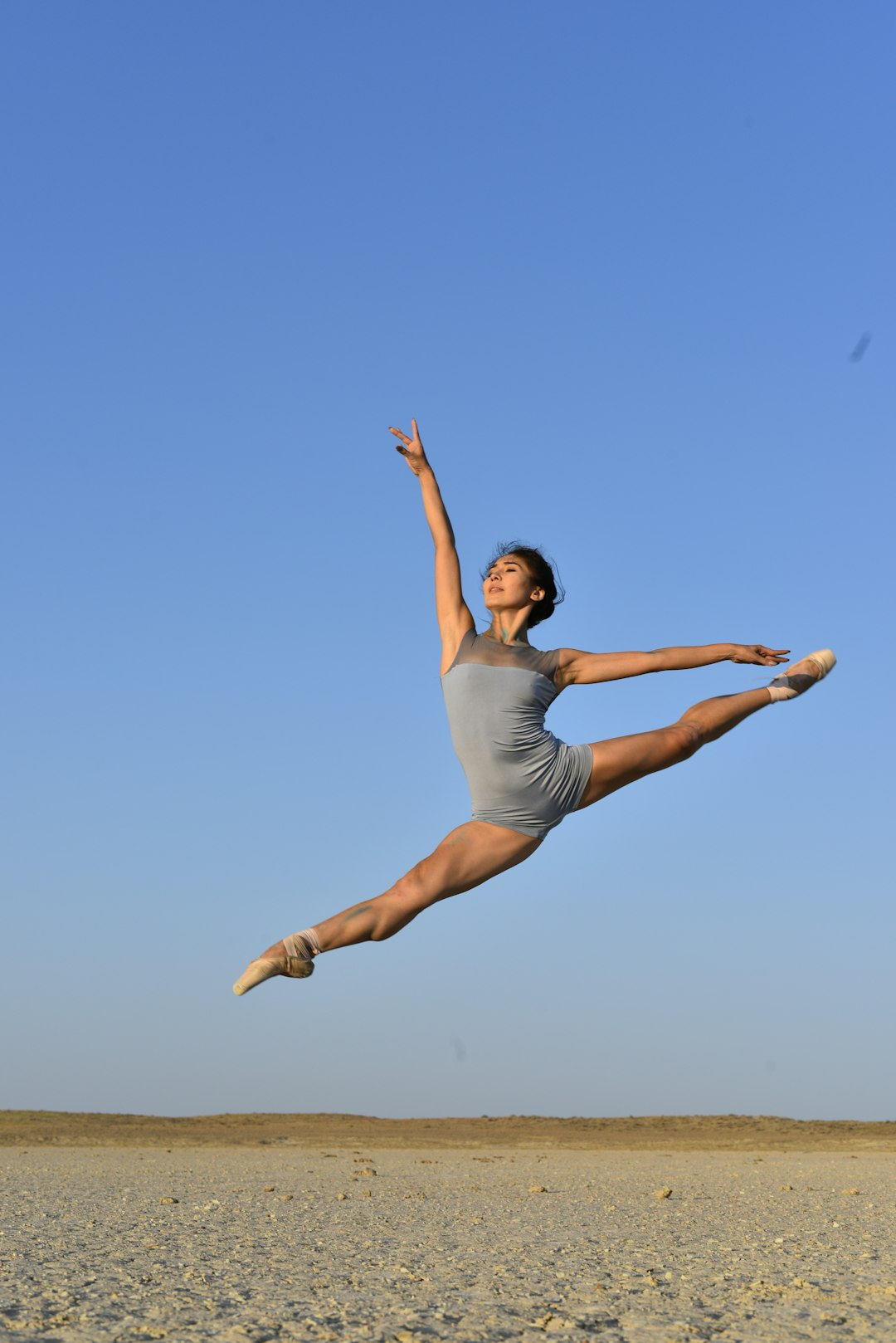
What if your anxiety could fuel a leap of defiance? What if anger could power a stomp of liberation? In Krump, every explosive movement channels raw emotion into something transformative. Born from the streets of South Central Los Angeles, this high-energy dance form has evolved from local expression into a global tool for mental wellness—one that lets the body speak what words cannot.
From Survival to Expression: How Krump Was Born
Krump emerged in the early 2000s, forged in the challenging environment of South Central LA—not in a studio, but on concrete. Pioneers Tight Eyez and Tommy the Clown channeled their community's frustration, grief, and anger into a radical, non-violent outlet. They created something intentionally raw, aggressive, and unapologetically emotional: a physical alternative to the violence surrounding them.
This origin matters. Krump began not as entertainment, but as a mechanism for survival. Understanding this reveals why it works as therapy: the dance was built to convert turbulence into agency from day one.
The Body as Healer: Four Ways Krump Works
1. Processing Stress Physically
The full-body exertion of Krump—explosive jumps, ground-shaking stomps, rapid muscle contractions—does more than burn calories. Intense movement helps the body process stress hormones like cortisol, triggering endorphin release that exercise physiologists recognize as a pathway to emotional relief. Dancers describe feeling emptied of tension, their anxiety literally shaken loose.
2. Movement as Language
For those who struggle to articulate inner turmoil, Krump offers a vocabulary without words. A sharp stomp might carry buried rage. An expansive arm swing could signal breaking free. A frantic freestyle session mirrors a mind wrestling with overwhelm. Externalizing internal states through motion creates clarity and a sense of mastery over one's emotional landscape—core to how dance functions therapeutically.
3. Building Identity Through Motion
Krump is deeply personal and improvisational. As dancers develop their unique style, they construct more than choreography—they build resilience. Claiming space with your body, turning vulnerability into strength through movement, cultivates embodied confidence that persists long after the music stops.
4. Finding Your Tribe
The cypher—the circle where dancers take turns performing—forms the heart of Krump culture. It functions as a supportive, judgment-free container for emotional expression. Within this circle, isolation breaks down. The shared understanding and mutual respect foster deep social connection, echoing principles found in Dance/Movement Therapy around shared non-verbal expression and community healing.
Krump's power lies partly in bypassing cognitive censorship. Where talk therapy sometimes stalls, the body cuts through directly.
Starting Your Practice: Three Entry Points
Understanding Krump's benefits is one step; experiencing them is another. The journey prioritizes authenticity over technical perfection.
Find a Class or Workshop
Many urban dance studios now offer Krump fundamentals. Beginner workshops provide low-pressure environments to learn core movements—stomp, chest pop, arm swing—with guidance.
Practice Alone, With Intention
Start solo with music that matches your mood. Try tracks by Missy Elliott or producers like Flii Stylz to connect with Krump's roots. Don't focus on looking good. Focus on feeling real. Let frustration drive aggressive movement; let weariness ground you heavy and slow.
Enter the Cypher
Krump's spirit lives in its people. Seek local cyphers or online communities. Sharing this vulnerable space with others accelerates healing and connects you with those who understand the practice's depth.
The Dance That Remakes You
Krump began as street resistance. It has become something more universal: proof that movement can be a courageous dialogue with the self, a dynamic therapy session, a way to reclaim your emotional narrative.
In a world that often demands we quiet our storms, Krump offers an alternative. Meet those emotions with power. Transform them through motion. And carry that force into ordinary life.