Krump exploded from South Central Los Angeles in 2001, born from pain and transformed into purpose. Created by Ceasare "Tight Eyez" Willis and Jo'Artis "Big Mijo" Ratti, this street dance evolved from clowning as a raw alternative to gang culture—an outlet where aggression became art. When you step into a Krump session, your clothes speak before you move. Here's how to dress with authenticity and function.
What Krump Demands From Your Body
Before choosing fabric, understand the physics. Krump operates at 80-100 BPM+ with explosive, sustained intensity: stomps that shake floors, chest pops that ripple through your torso, jabs that snap from the shoulder, and arm swings that demand full rotation. Your outfit must survive bucking, floor work, and hours of battle-ready tension without restricting a single muscle fiber.
The Krump Aesthetic: Function Over Flash
Forget everything you know about "statement" dancewear. Krump culture stripped away the face paint and baggy excess of its clowning predecessors in favor of athletic minimalism. The goal? Visibility of body mechanics.
Judges and fellow dancers read your movement through fabric. Baggy pants obscure knee articulation. Loose sleeves tangle during arm swings. Layers—contrary to some misconceptions—are not a Krump hallmark; they belong to other street styles. Authentic Krump wear prioritizes clean lines and zero interference.
Building Your Krump Wardrobe
Tops: Fitted and Breathable
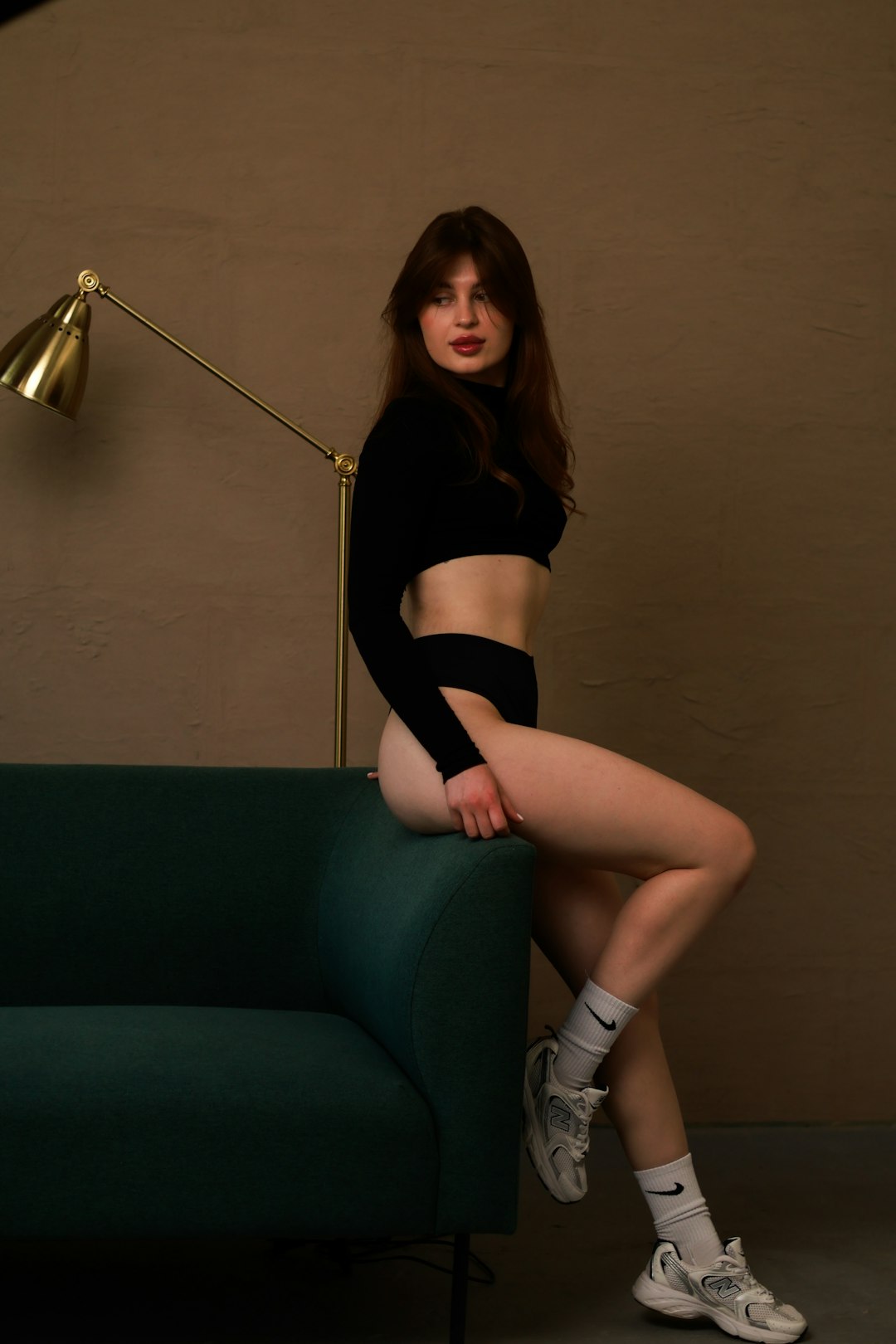
Choose moisture-wicking tank tops or fitted tees in technical fabrics. Compression materials work exceptionally well—they prevent snagging during fast arm movements and allow observers to track muscle engagement in your chest and shoulders. Black, grey, and white dominate the culture; these neutrals keep focus on your movement, not your outfit.
Some crews adopt signature colors for battles, but arrive in neutrals unless you're repping your fam officially. Overdressing signals inexperience in sessions.
Bottoms: Mobility Without Excess
Opt for fitted athletic shorts or compression leggings that end above the knee. For pants, choose tapered joggers in lightweight, sweat-wicking material—snug enough to show leg lines, flexible enough for deep stances and floor drops. Avoid anything with excess fabric that could catch or hide your footwork.
Footwear: Stability Meets Sensation
Your shoes anchor every stomp and power move. Cross-training sneakers with lateral support handle Krump's aggressive side-to-side footwork—models like Nike Free or Adidas Ultraboost provide the responsiveness you need. Running shoes with thick heel drops destabilize your stance and blunt your connection to the floor.
Some advanced dancers prefer minimalist soles for maximum ground feedback, but only after developing proper technique and foot strength.
Accessories: Know the Code
Hats, gloves, and wristbands appear in Krump, but tread carefully. Accessories should never impede movement or pose safety risks in tight circles. More critically: never appropriate battle-specific face paint or markings. These carry deep meaning within crew culture and session hierarchy.
If you accessorize, keep it functional—sweatbands serve purpose; flash without function reads as disrespect.
Respecting the Culture: Session Etiquette
Krump attire carries social weight. In sessions (dance circles), authenticity outweighs aesthetics. Dressing to impress rather than to move reveals priorities that clash with Krump's roots. The form emerged from neighborhoods where survival meant community, not competition for attention.
Learn your local crew protocols. Colors, symbols, and certain stylistic choices may carry specific meanings. When in doubt, observe before adopting. The respect you show through restraint builds the credibility that your dancing will ultimately confirm.
Final Move
The right Krump wear disappears on your body and amplifies your presence. Choose fitted, dark, functional pieces that let your chest pops, jabs, and stomps speak. Then step into the circle—not to be seen, but to be felt.