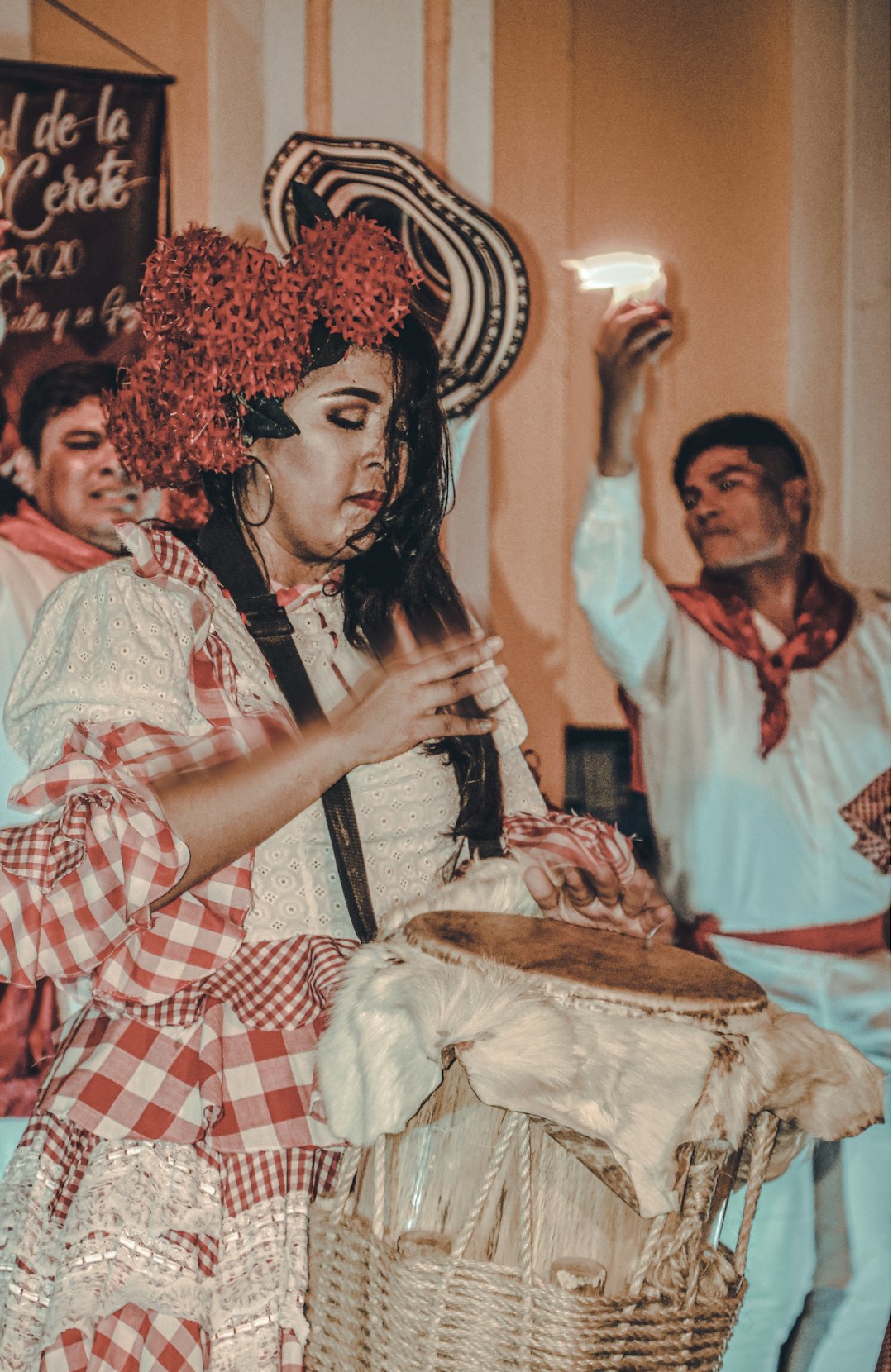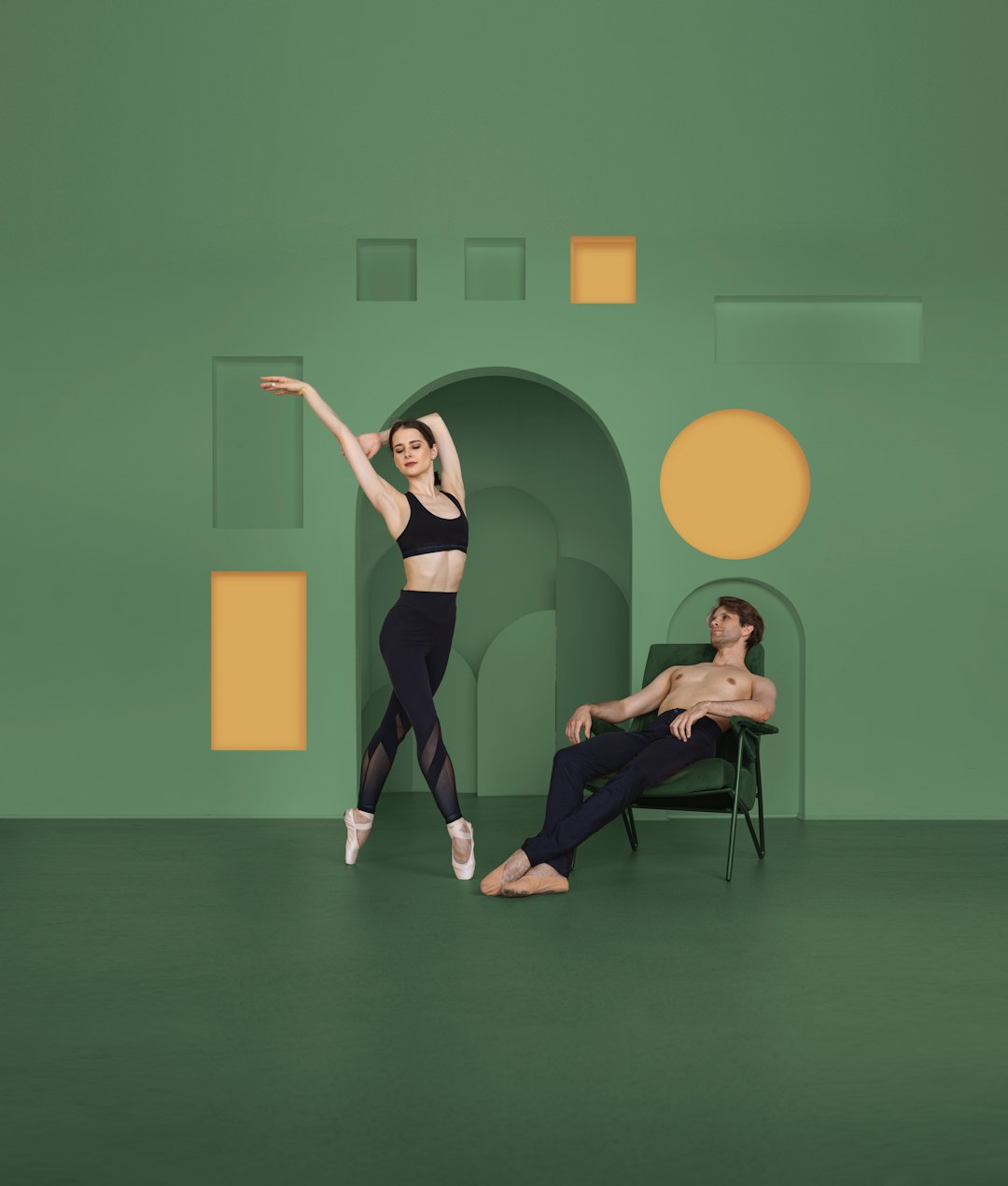
Lindy Hop burst onto the scene in 1920s Harlem, born from the vibrant fusion of jazz, blues, and swing music in ballrooms like the Savoy. More than just a dance, it's a conversation between partners—playful, improvisational, and deeply connected to the music. For newcomers, the energy and speed of Lindy Hop can feel overwhelming, but with solid fundamentals and consistent practice, you'll find yourself swept up in the joy of this historic art form.
What You Need Before Your First Class
Footwear That Works
Your shoes can make or break your Lindy Hop experience. Look for:
- Leather-soled shoes that allow smooth pivots and slides on wooden floors
- Low, stable heels (under 1.5 inches) to protect your knees and ankles
- Snug fit to prevent your foot from sliding inside the shoe
Avoid rubber-soled sneakers on polished floors—they grip too much and strain your knees. Many dancers start with character shoes or simple leather-soled flats. Bring water and dress in layers; you'll warm up quickly.
Finding Your Community
Lindy Hop is fundamentally social. Most cities have weekly social dances and beginner-friendly classes. Check:
- Local swing dance societies and Facebook groups
- Dance studios offering "intro to swing" series
- University clubs (often open to non-students)
- Regional weekend workshops for immersive learning
Don't worry about arriving with a partner—classes rotate partners regularly, and social dances thrive on mixing.
The Language of Lindy Hop: Counts and Connection
Before steps, understand the structure. Lindy Hop moves between 6-count and 8-count patterns, always grounded in the swinging rhythm of jazz music. Dancers maintain a pulse or gentle bounce on every beat—a relaxed, athletic readiness that keeps you connected to your partner and the music.
The Frame: How Partners Connect
Partners connect through a frame: a gentle, responsive tension through the arms and torso. Leaders initiate direction and momentum; followers interpret and amplify these signals. This partnership is collaborative, not commanding—both dancers contribute musicality and style.
Your First 8-Count Basic
The foundational pattern (often called the "swingout basic") establishes rhythm, partnership, and movement. Practice this slowly with music before building speed.
For leaders: | Count | Movement | |-------|----------| | 1-2 | Rock step: Step back on left foot, replace weight on right | | 3-4 | Triple step: Side left-right-left (three steps in two beats) | | 5-6 | Triple step: Side right-left-right | | 7-8 | Walk walk: Step left, step right |
For followers: Mirror the leader, starting your rock step back on your right foot.
Common Pitfalls to Avoid
- Rushing the rock step: Take the full two counts; this sets your timing
- Heavy triple steps: Stay light and close to the floor
- Losing the bounce: Maintain your pulse throughout—stiffness kills the swing feel
Practice solo first, then with a partner, counting aloud until the pattern feels automatic.
Building Your Vocabulary: Essential Moves
Once your basic is solid, these core patterns unlock most social dancing:
The Swingout
The signature Lindy Hop move. From closed position, the leader sends the follower out into open position on counts 1-4, then brings her back to closed on 5-8. This expandable structure allows endless musical variation.
Tuck Turns
A 6-count turn where the leader "tucks" the follower in preparation for a clean, rotating exit. Teaches directional leading and following.
Basic Charleston
A high-energy 8-count pattern with kicked steps, perfect for faster tempos. Adds dynamic contrast to your dancing.
Circle/Six-Count Pass
A simple traveling pattern that moves partners around each other, building floorcraft awareness.
Making It Musical: Beyond the Steps
Rhythm Variations
"Playing with the rhythm" means intentionally manipulating timing against the beat:
- Delayed triples: Stretch your triple step to occupy more musical space
- Syncopation: Add quick steps on the "&" counts between beats
- Breaks: Freeze momentarily to hit dramatic accents in the music
- Lagging behind: Dance slightly after the beat for a relaxed, bluesy feel
Styling and Expression
- Arms: Keep elbows relaxed and responsive; avoid rigid "T-rex" arms or overextended "spaghetti" arms
- Torso: Maintain upright posture with engaged core—protects your back and improves connection
- Facial expression: Smile, make eye contact, react to your partner's moves. Lindy Hop is joyful.