In a packed ballroom in 1935, a diminutive dancer named Shorty George Snowden supposedly pointed to an airplane passing overhead and told his partner, "Let's do the Lindy Hop." The name stuck—honoring Charles Lindbergh's transatlantic flight—and so did the movement: athletic, airborne, and utterly spontaneous. Nearly ninety years later, that same dance continues to draw thousands into windowless halls and sunlit pavilions worldwide, seeking something increasingly rare: genuine human connection through shared physical improvisation.
What It Actually Looks (and Feels) Like
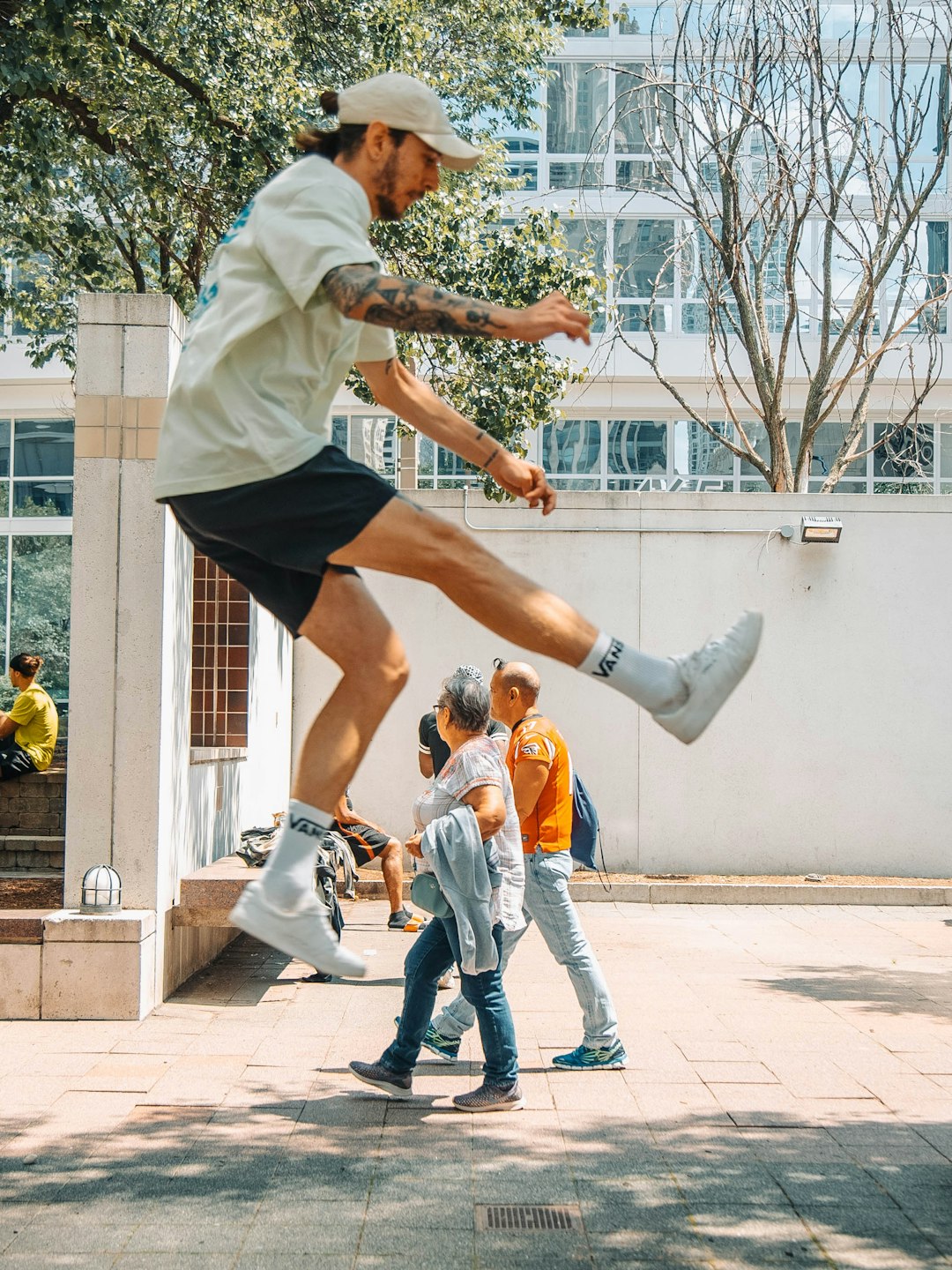
The Lindy Hop is partner swing jazz dance distinguished by its elastic, breathing connection between dancers. Partners maintain a flexible frame—tension in the arms, relaxation in the shoulders—that allows for split-second decisions. A slight pressure from the leader's hand might signal a turn; a subtle weight shift from the follower might suggest a rhythmic variation. The dance moves between open and closed positions, from grounded, pulsing footwork to explosive aerials where partners launch each other into the air.
Musically, it lives between 120 and 180 beats per minute. At the lower end, you might hear Count Basie's orchestra laying down a driving, walking bass line. At the upper extreme, Ella Fitzgerald's scat singing challenges dancers to match her rhythmic playfulness. The dance doesn't just accompany the music—it converses with it, dancers hitting breaks, accenting off-beats, and occasionally stealing silence itself for a suspended moment of stillness.
From the Savoy to Stockholm: A Brief History
The Lindy Hop emerged from African American communities in Harlem during the late 1920s and flourished throughout the 1930s. The Savoy Ballroom on Lenox Avenue served as its laboratory and cathedral—a racially integrated space where dancers refined the fusion of breakaway, Charleston, and jazz movement into something unprecedented. The Harlem Renaissance provided the cultural ferment; the Great Migration supplied the dancers seeking community in northern cities.
By the 1940s, the dance had spread across the United States and Europe, becoming synonymous with the Swing Era's exuberance. Then came decline: postwar musical tastes shifted, partner dancing fell from fashion, and the Lindy Hop retreated into memory. It survived through scattered practitioners and archival film footage until a 1980s revival led by dancers in Sweden, England, and California reconstructed the form from scratch. Today's global scene—spanning Seoul, Buenos Aires, Melbourne, and hundreds of cities between—owes its existence to that archaeological passion.
The Anatomy of Connection
The Lindy Hop's emotional power derives from its structural demands. Unlike choreography-heavy dances, it relies on lead-follow dynamics that require continuous, mutual responsiveness. Both partners contribute musically; both must listen. This creates what dancers call "conversation"—a shared authorship of each moment that can produce genuine intimacy between strangers.
The social infrastructure amplifies this. Weekend "exchanges" draw hundreds to rented ballrooms and hotel suites, where dancing continues past midnight. Local "social dances" weekly cement friendships across age, profession, and background. The dance's egalitarian ethos—leaders can follow, followers can lead, and skill differences are welcomed rather than judged—fosters unusual demographic diversity.
Starting Your Own Journey
Beginners should seek local studios offering "intro to swing" series, which typically cover basic footwork, partner connection, and the foundational swingout pattern. Online resources like iLindy and Rhythm Juice supplement in-person learning. Expect initial frustration: the timing differs from most contemporary dance, and partner dynamics require rewiring social habits around physical proximity.
Start with comfortable leather-soled shoes that allow pivoting. Dress in layers—social dances heat up quickly. Most importantly, abandon performance anxiety. The Lindy Hop's improvisational core means mistakes become opportunities; a missed step might become a new variation if both partners stay present and playful.
The commitment rewards beyond the dance floor. Practitioners report improved posture, enhanced rhythmic intuition, and expanded social networks that function as genuine communities. As the old saying goes among those who've caught the bug: it's not just a dance—it's a lifestyle built on listening, responding, and occasionally, when the music demands it, taking flight.