When the Music Fights Your Body
I'll never forget the night I performed to a song I didn't understand. The audience was polite. My technique was solid. But halfway through, I felt it—that awful disconnect where your hips are doing the right steps but the music is pulling you somewhere else entirely. I was dancing at the song, not with it. That's when I learned the hard truth: the best belly dance choreography in the world looks mechanical if the music doesn't fit the dancer.
Stop Relying on "Belly Dance" Playlists
Here's what most beginners do. They open a streaming app, search "belly dance music," and pick whatever has the most plays. There's nothing wrong with popular tracks, but this approach treats music like background noise instead of a partner. Oum Kalthoum's "Enta Omri" is gorgeous, but if you're not feeling the tarab—the emotional ecstasy built into those long instrumental breaks—you'll look like you're waiting for a bus during the slow sections.
The real work starts when you learn to listen like a dancer, not just a listener.
Feeling the Rhythm in Your Ribcage
Traditional belly dance music carries more architecture than most people realize. It's built on specific rhythmic patterns that physically guide different parts of your body. A Maqsoum rhythm—dum tek a-tek tek—naturally invites sharp hip drops and locks. You feel it in your lower body, grounded and percussive. Switch to a flowing Chiftetelli, and suddenly your torso wants to roll and soften, your arms get liquid, your breath slows down.
I spent months drilling combinations before I realized my teachers weren't counting steps to a metronome. They were having conversations with the drum. Once I started hearing the dum as a request and my hip drop as the response, everything changed.
The Genres Nobody Explains Clearly
Classical Egyptian isn't just "old music." It's emotionally demanding. The melodies wander. The vocals soar. It asks you to abandon your eight-count structure and follow a singer's breath. If you're the type of dancer who loves storytelling and long, controlled phrases, this is your home. If you need predictable tempo, it'll torture you.
Turkish Romany hits different. It's faster, flirtier, and slightly reckless in the best way. The clarinet squeals. The rhythm drives forward. This music doesn't want your perfect posture—it wants your personality. I dance Turkish when I've had a bad week and need to remind myself that belly dance is supposed to be fun, not just pretty.
Fusion gets a bad rap from purists, but blending electronic beats with traditional instrumentation can create something genuinely electric. The trick is respecting the source. If you're dancing fusion, know what you're fusing. Don't throw a hip scarf over a generic downtempo track and call it innovation.
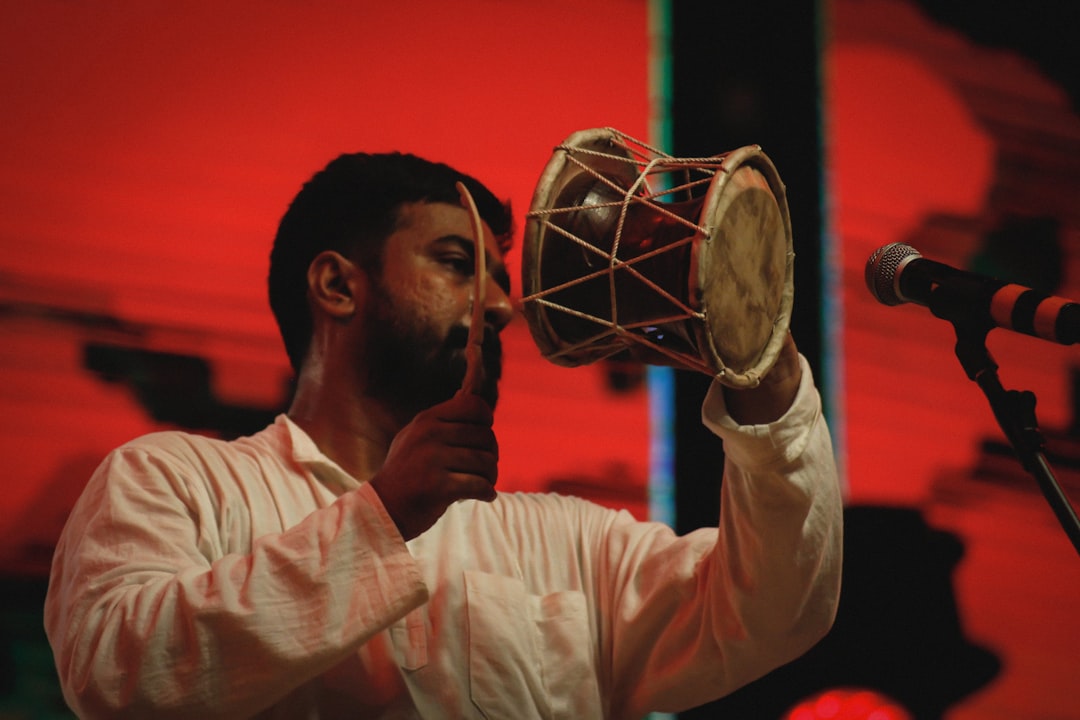
Drum solos strip everything away. No melody to hide behind, no vocalist to carry the emotion—just you and a percussionist trading rhythmic surprises. They're terrifying and exhilarating. Your technique has to be clean because every tiny hesitation shows.
Building Your Ear Takes Time
Start with one song. Not a playlist—one track. Listen to it while washing dishes. Listen in your car. Notice when your shoulders relax or when your foot starts tapping without permission. That's your body recognizing something.
Then dance to just the rhythm section. Ignore the melody for a moment. Can you find the downbeat? Can you hit the sharp accents with your hips and fill the soft spaces with your arms? When you can do that, add the melody back in and notice how it changes your breath.
Record yourself. I hate watching my own videos, but it's the only way to catch that moment where the music builds and you're still doing the same three-movement phrase on autopilot. The camera doesn't lie about musicality.
Let the Music Choose You
After fifteen years of performing, I don't pick songs anymore. They find me. I'll hear a qanun riff in a cafe or a drum pattern in a movie score, and my body knows before my brain catches up. That's the goal—not to have the most authentic playlist or the rarest imports, but to build a relationship with sound so honest that when you step on stage, the audience isn't watching technique. They're watching someone who genuinely can't help but move.
Your hips already know what they like. You just have to get quiet enough to listen.