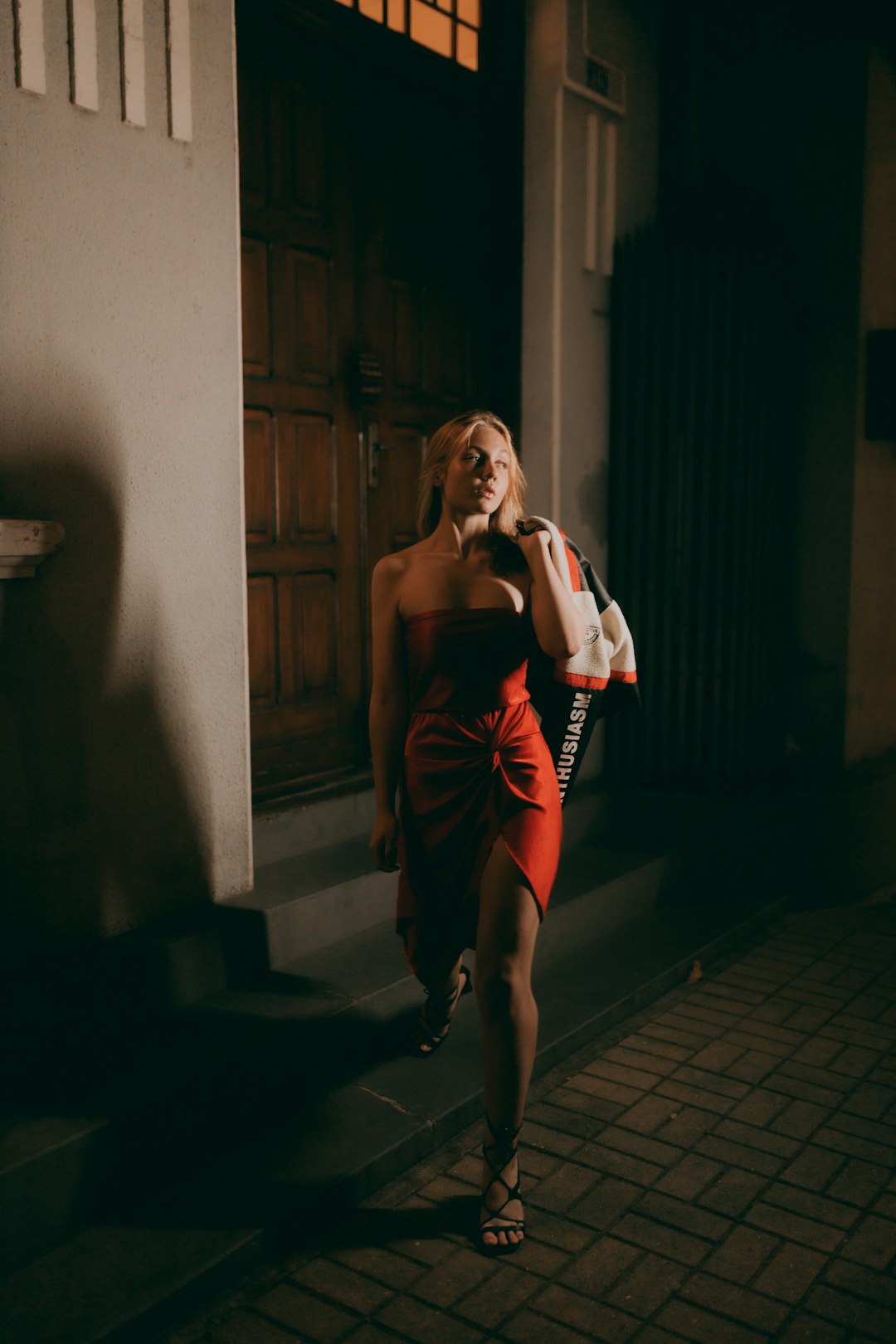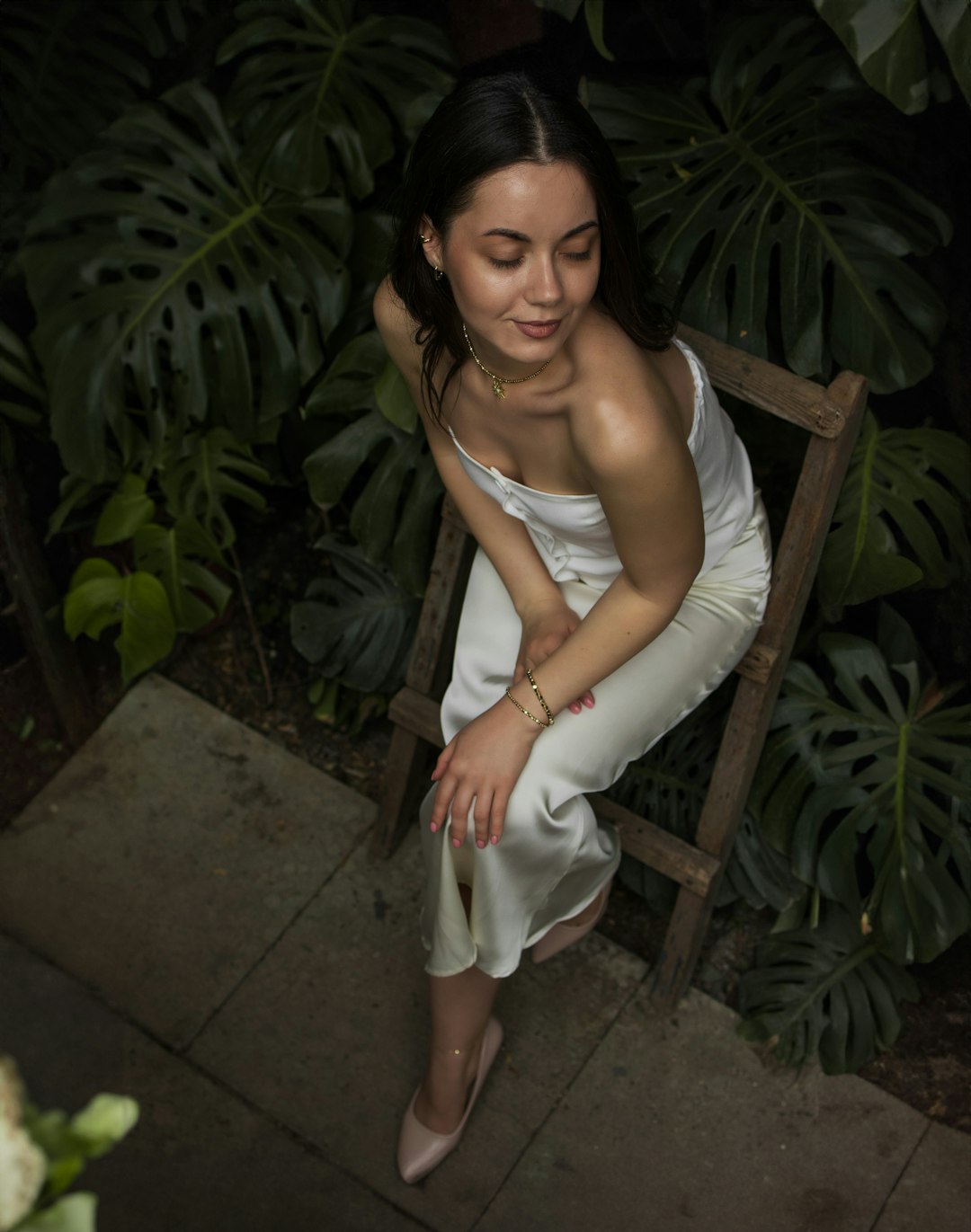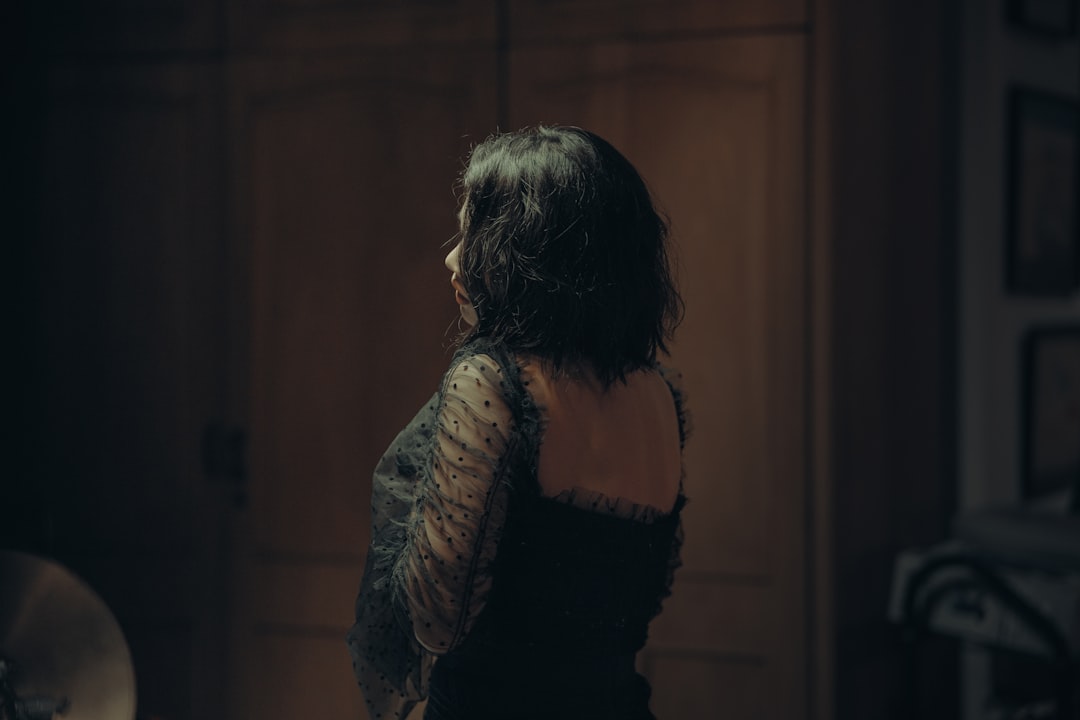
There's a wall at Salsa Fever — unremarkable, concrete, covered in fliers for weekend socials. Walk past it three times before you find the door. And then you're inside, and the bass hits your chest, and everything you thought you knew about Latin dance gets rearranged.
This isn't a city that announces itself. Munson City's dance scene hides in plain sight: basements, converted warehouses, a converted gymnasium above a laundromat on 8th Street. But once you know where to look, you'll wonder how you ever spent your evenings otherwise.
The Sunday Ritual at Salsa Fever
Downtown, off the main drag, the studio runs classes six days a week. Saturdays fill up fast — people show up early to claim a spot near the mirror, because by 7pm you'll be packed in shoulder to shoulder. The instructor, a compact man with an easy laugh named Luis, doesn't waste time with warm-up speeches. He counts you in. Three, two, one — and you're moving.
Their specialty is the social dance experience: Salsa that leads into Bachata that bleeds into Merengue without you noticing the transition. You come for one style, you leave fluent in all three. Beginners get the same floor time as regulars — everyone rotates partners, everyone stumbles, everyone laughs when it goes wrong. That's the point.
Rumba Rhythms and the Old Guard
Eastside tells a different story. Rumba Rhythms Academy operates out of a building that looks like it hasn't been updated since the '80s — fluorescent lights, wood paneling, the faint smell of floor polish. The instructor there, Doña Carmen, has been teaching Cha-Cha since before some of her students were born. She doesn't use Bluetooth speakers. She has a CD player.
Her classes move slowly. She cares about where a dance comes from — the African roots of Rumba, the competition origins of Cha-Cha, the way footwork tells a story that words can't. Students who stick around long enough start to notice the difference: their basics tighten, their posture shifts, they stop dancing steps and start dancing conversation.
Not everyone wants that. Some people show up once, realize Doña Carmen won't let them rush, and never come back. But the ones who stay? They get it.
Mambo Magic and the New Energy
Westside belongs to Mambo Magic now. The studio occupies what used to be an auto shop — the bay doors are still there, rolled up during summer sessions, and you can smell motor oil faintly under the eucalyptus air freshener someone hangs by the front desk. It's a younger crowd. The teacher, Jay, grew up in the neighborhood and learned from watching YouTube videos, then tracking down every workshop he could find, then eventually going to Cuba to study.
His classes feel different. He'll layer a Cumbia into a Reggaeton beat into something he's been working on, and the transitions are electric. Students come here to feel good — it's high energy, it's sweaty, nobody's grading your timing. The goal is to leave the studio with your heart racing and a smile you can't explain.
The Northside Question
Tango Tones exists, and people talk about it in hushed, slightly reverent tones. Tango. Paso Doble. Flamenco. The instructor is precise in a way that borders on demanding. Classes are smaller. The floor work is careful. You won't find a casual Saturday night social here — this is a studio for people who know what they're after.
Whether that's you depends. If you want to learn a dance that demands your full attention, that will punish sloppy habits and reward patience, Tango Tones will give you that. If you want to show up half-drunk and laugh your way through a旋转, look elsewhere. This city has options.
---
Here's the truth nobody puts in the headlines: the "best" studio is the one that keeps you coming back.
Salsa Fever might burn you out in a year — you'll love every minute of it, then pivot somewhere quieter. Or you might spend a decade chasing Doña Carmen's footwork standards, still not satisfied, still showing up. The right fit doesn't announce itself. You take a class, you stumble, you come back. That's how it works.
What matters is that the door exists. Walk past the wall on the corner of Vine and 4th, find the unremarkable entrance, climb the stairs. The music's already playing.