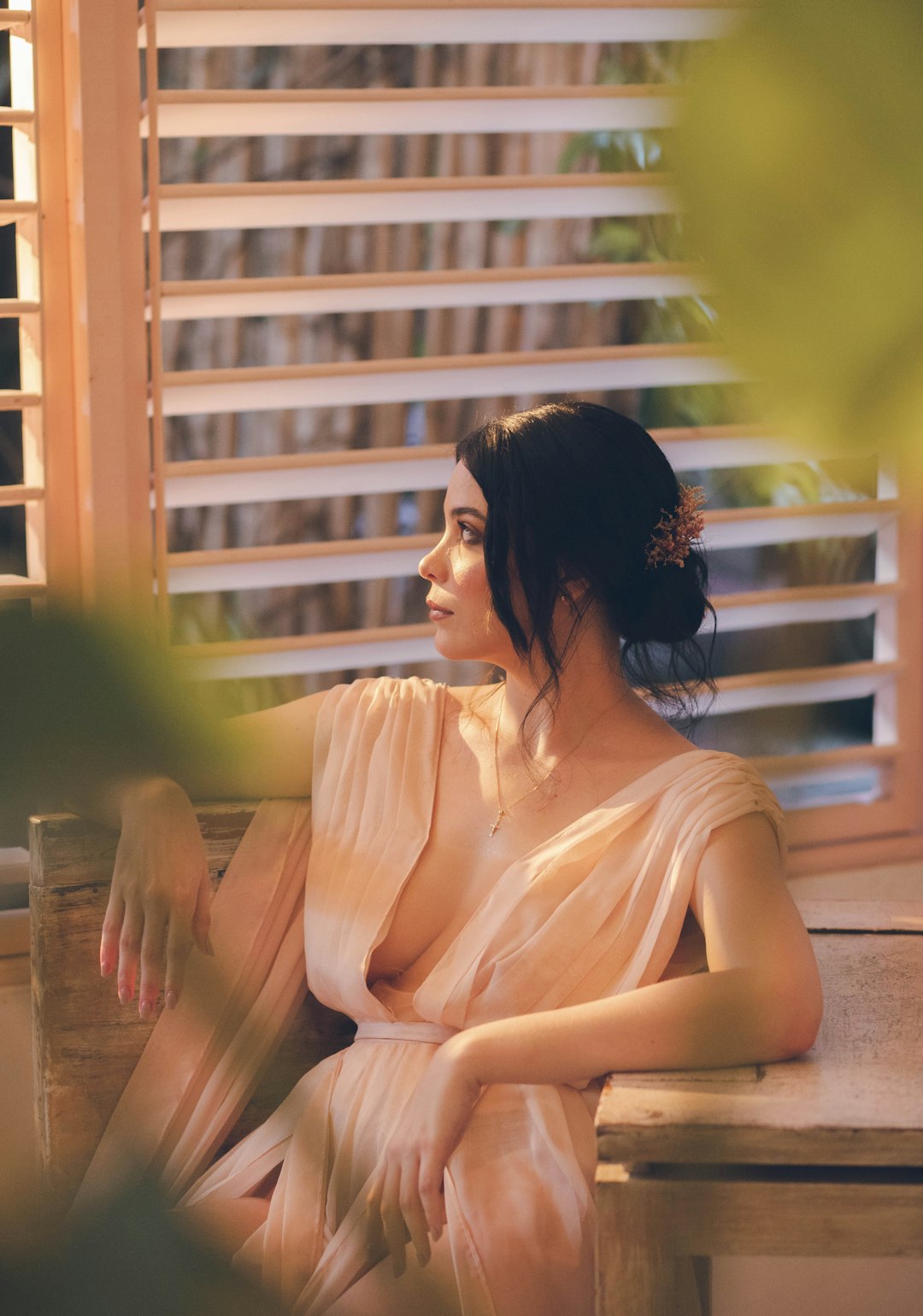
The lights come up. Your first développé extends—and your skirt rides up, your strap slips, your focus breaks. In lyrical dance, where emotional storytelling depends on uninterrupted physical flow, the wrong costume doesn't just look bad. It costs you the performance.
This guide moves beyond generic dancewear advice to address what lyrical dancers actually need: costumes that disappear into the movement, supporting your line and your narrative without demanding attention.
Foundation First: Fabric, Fit, and Function
Prioritize Performance Fabrics
Not all "stretchy" fabrics perform equally under stage lights and sweat. For lyrical dance, prioritize four-way stretch materials with moisture-wicking properties:
- Microfiber blends: Soft hand-feel, excellent opacity during extensions
- Bamboo rayon: Naturally breathable, resists odor, drapes beautifully
- High-quality spandex-nylon (80/20 or 85/15): Maintains shape through repeated wear
Avoid: 100% cotton (shows sweat, limited stretch recovery), cheap polyester (static buildup, restricted airflow), and anything with less than 12% spandex content.
Pro tip from competition judges: Test fabric opacity under harsh lighting before purchasing. Many "performance" fabrics become transparent during backlit moments or deep lunges.
Nail the Fit
Lyrical costumes must accommodate your full technical vocabulary—developpés, tilts, floor work, and sustained balances. The most frequent fit error? Leg openings that cut into the hip during extension, creating unflattering lines and restricted movement.
When trying on:
- Raise both arms overhead and hold for 10 seconds—straps should not dig or slip
- Execute a deep second-position plié—waistband stays in place without rolling
- Perform a développé to the side—no pulling across the hip or torso
For growing dancers, size for your largest measurement and tailor down. A slightly loose costume can be taken in; a too-tight one will always fight your movement.
Footwear Fundamentals
Lyrical dance is traditionally performed barefoot to emphasize line and connection to the floor. This isn't aesthetic preference—it's technical necessity. The foot's articulation through relevé and ball changes drives the style's fluid quality.
For performances requiring coverage:
- Foot undies (flesh-toned, minimal sole): Preserves floor feel while providing modesty
- Lyrical sandals (clear straps, suede sole): Used occasionally for outdoor stages or specific choreographic effects
Avoid jazz shoes, sneakers, or character shoes unless the choreography explicitly requires them. These break the visual line and alter weight placement.
Visual Impact: Color, Line, and Layering
Choose Colors With Purpose
Color in lyrical dance carries emotional weight—and behaves unpredictably under stage lighting.
| Setting | Recommended Palette | Avoid |
|---|---|---|
| Competition | Jewel tones (emerald, burgundy, sapphire, amethyst) | Pale yellows, light peach (wash out under spotlights) |
| Concert/Recital | Muted earth tones, ombré dyed fabrics, monochromatic schemes | Neon brights (distract from emotional nuance) |
| Solo performances | Colors complementing your skin undertone | Colors matching the backdrop |
Undertone guidance: Cool undertones pop in silver-blues, plums, and true reds; warm undertones glow in amber, rust, moss, and coral.
Choreographer insight: Red reads as aggressive under stage lights—powerful for defiant or triumphant pieces, potentially overwhelming for vulnerability-focused solos. Consider burgundy or rust for emotional depth without the visual shout.
Design for Your Body and Choreography
Necklines: Halter styles elongate shorter torsos; boat necks balance broader shoulders; V-necks create vertical lines for petite dancers. Avoid strapless designs unless your choreography includes minimal arm movement—constant readjustment destroys performance presence.
Lengths: Mid-thigh skirts allow full extension visibility without revealing during floor work. Ankle-length pants or unitards suit contemporary-lyrical fusion but require precise hemming—any pooling at the foot creates tripping hazards and visual clutter.
Layer Strategically
Layering adds dimension and supports narrative shifts within a piece. Effective combinations include:
- Mesh overlay on solid leotard: Creates texture without bulk
- Detachable skirt over shorts: Allows costume transformation mid-performance
- Sheer sleeves on tank base: Adds ethereal quality for lyrical's flowing movement vocabulary
The rule: Each layer must serve the choreography. If you don't touch, manipulate, or dramatically reveal it during the piece, reconsider its inclusion.
Execution: Accessories, Testing, and Care
Accessorize With Discipline
Accessories in lyrical dance walk