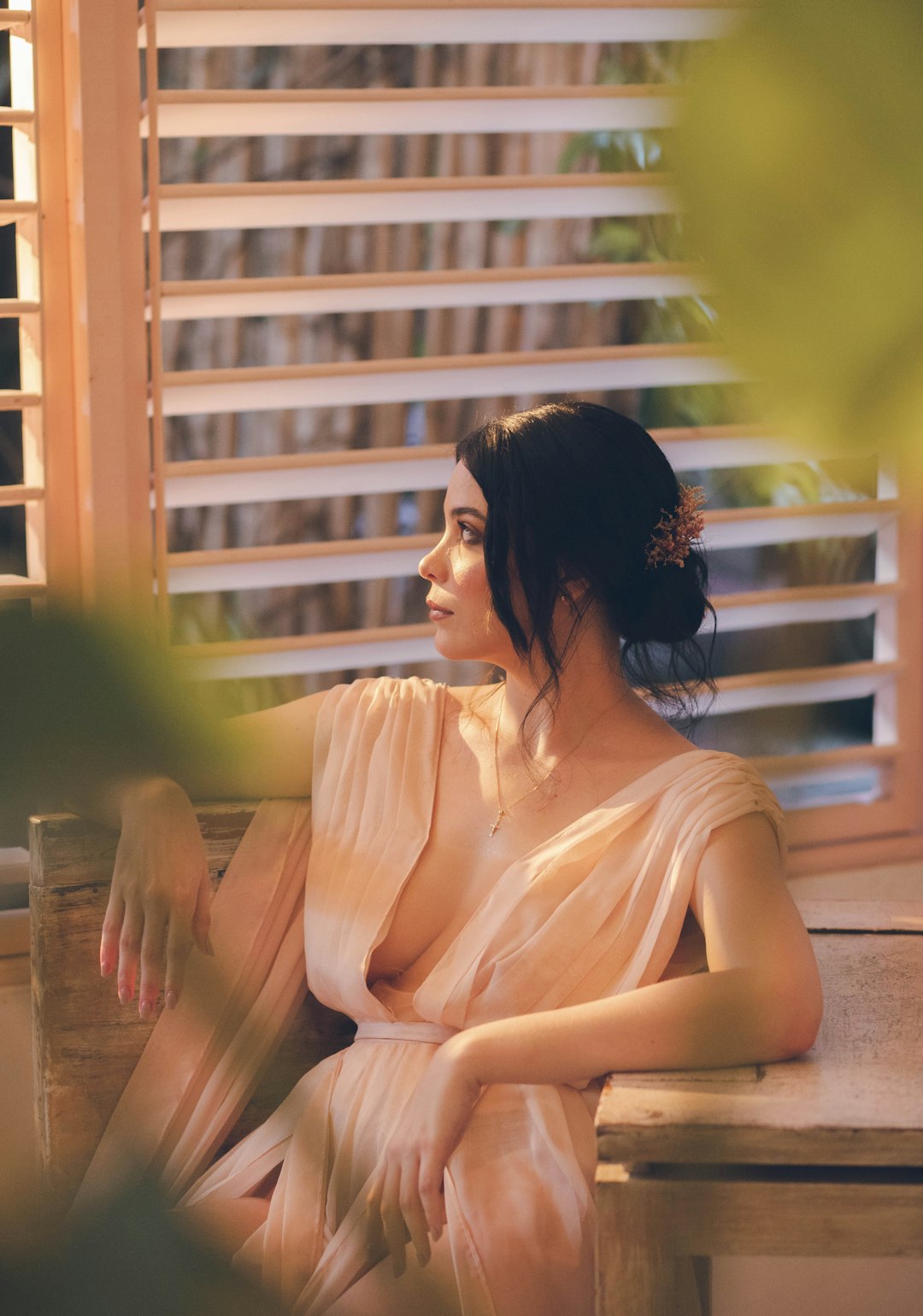
A lyrical dance costume does more than clothe the dancer—it extends the choreography into visual poetry. Unlike the rigid structure of ballet tutus or the bold statements of jazz costumes, lyrical outfits must mirror the genre's signature blend of ballet technique and emotional freedom. Whether you're preparing for your first recital or a national competition, this guide will help you select a costume that moves with you, not against you.
What Makes Lyrical Dance Costumes Unique
Before diving into fabric swatches and color palettes, understand what distinguishes lyrical aesthetics from other dance forms. Lyrical dance emphasizes continuous, fluid motion—leaps that seem to hang in air, turns that flow into extensions, and floor work that demands unrestricted torso movement. Your costume must accommodate this physical vocabulary while amplifying the emotional narrative.
Key visual hallmarks of lyrical costumes:
- Fitted bodices that showcase alignment without constricting breath
- Flowing elements (skirts, panels, or loose pants) that accentuate momentum
- Barefoot performance requirements (no shoe color matching needed)
- Emotional transparency—costumes rarely mask the dancer with heavy structure
Start With the Music and Theme
Your costume selection begins long before you browse catalogs. Close your eyes and listen to your music three times: first for emotional arc, second for rhythmic texture, third for dynamic shifts. A melancholy Adele ballad demands different visual language than an uplifting Ben Howard track.
Questions to guide your concept:
- What is the emotional core—grief, liberation, longing, joy?
- Does the choreography include partnering that could snag on embellishments?
- Are there sudden tempo changes where fabric movement becomes critical?
Pro Tip: Create a mood board with 8-10 images before shopping. Include non-dance visuals—fashion editorials, nature photography, paintings—that capture your piece's essence. This prevents the common trap of defaulting to "pretty" over "purposeful."
Choose Colors That Survive Stage Lighting
Stage lighting fundamentally alters how colors read. That soft blush that looked exquisite in natural light may wash out completely under amber gels, while deep burgundy can photograph as flat black.
Color selection by skin tone and lighting:
| Skin Tone | Colors That Pop | Cautionary Notes |
|---|---|---|
| Fair with cool undertones | Sapphire, emerald, dusty rose | Avoid neon brights that create harsh contrast |
| Fair with warm undertones | Coral, gold, teal | Test whites under lights—can appear washed out |
| Medium/olive | Ruby, amethyst, bronze | Yellow-greens may sallow complexion |
| Deep | Fuchsia, electric blue, crisp white | Dark navies and blacks lose definition under dim lighting |
Lighting considerations:
- LED-heavy venues: Colors appear truer but can seem harsh; consider muted saturations
- Traditional tungsten: Everything shifts warmer; compensate with cooler base tones
- Competition circuits: Assume unpredictable lighting—mid-tone values (neither pale nor dark) photograph most consistently
Select Fabrics Built for Lyrical Movement
Lyrical demands fabrics that respond to breath and momentum. The wrong material turns a sweeping développé into a mechanical gesture.
Recommended fabrics by function:
For flowing elements:
- Chiffon: Lightweight, creates ethereal floating effects; layers well for opacity without weight
- Georgette: Slightly heavier than chiffon, better for outdoor performances or pieces with strong air currents
- Mesh overlays: Add dimension without bulk; 4-way stretch mesh moves with the body
For fitted bodices and briefs:
- Nylon-spandex blends (80/20): Industry standard for secure fit with 4-way stretch
- Velvet (with significant spandex content): Luxurious under stage lights; ensure minimum 15% spandex for movement
- Microfiber: Matte finish, excellent for pieces requiring contemporary edge
Critical specifications:
- Seek 4-way stretch with 15-20% spandex minimum
- Test recovery—fabric should return to shape after stretching, not bag
- Pre-wash samples if possible; some performance fabrics shrink or fade
Avoid: Sequins or heavy beading that catch on hands during partnering; instead, choose tone-on-tone crystals, laser-cut appliqués, or scattered rhinestones for subtle sparkle that won't impede movement.
Prioritize Fit and Functional Comfort
An uncomfortable dancer cannot be fully present emotionally. Your costume should disappear from conscious awareness within thirty seconds of wearing it.
Fit checkpoints for lyrical specifically:
| Movement | Test | Common Failure Points |
|---|---|---|
| Grand battement | Leg extension to 90°+ | Briefs ride up; skirt tangles |
| Backbend/bridge | Full spinal extension | Bodice gaping |