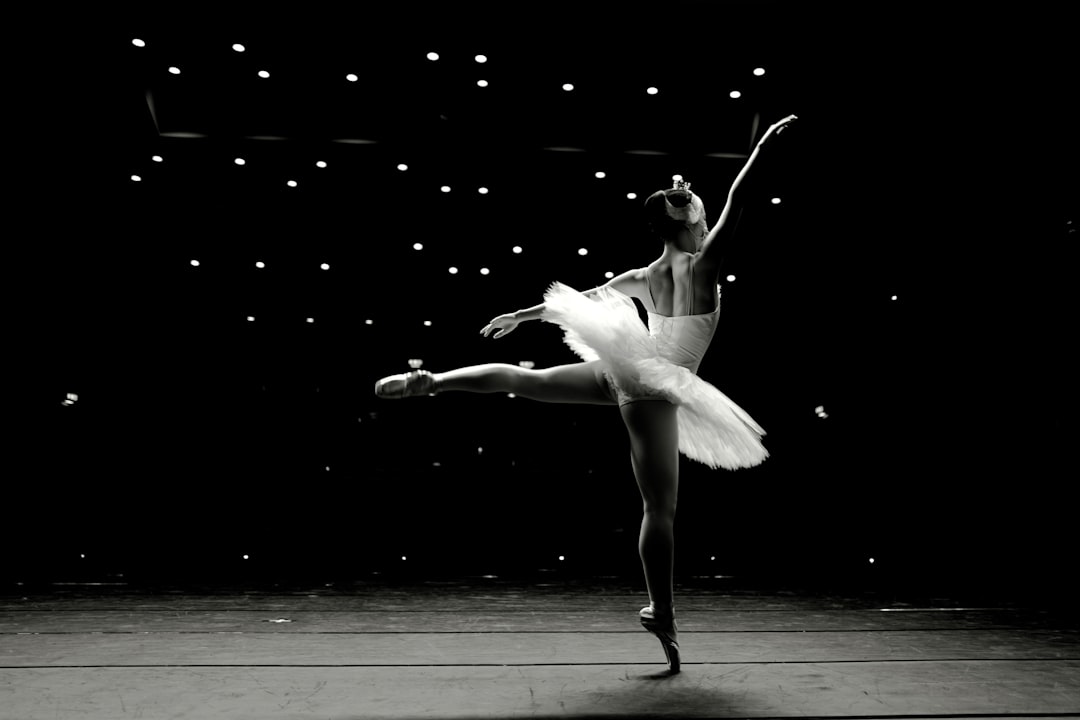
Flamenco rhythm—compás—is the invisible architecture that transforms movement into duende, that elusive spirit that defines the art form. For dancers who have moved beyond basic zapateado patterns, true mastery lies not in counting beats, but in manipulating time itself: stretching it, compressing it, and using silence as a weapon. This guide examines the technical, musical, and cultural dimensions of advanced Flamenco rhythm, with specific exercises and structural analysis for the committed practitioner.
The Compás System: Beyond Counting to 12
Elementary Flamenco instruction treats compás as arithmetic. Advanced dancers understand it as geometry—cyclic, spatial, and relational. The 12-count cycle, foundational to Soleá, Bulerías, and Alegrías, divides into two hemispheres: counts 1–6 (primera mitad) and 7–12 (segunda mitad). But the accents tell the true story.
| Palo | Accent Pattern | Emotional Register | Originating Region |
|---|---|---|---|
| Soleá | 3, 6, 8, 10, 12 | Tragic, weighty | Triana (Seville) |
| Alegrías | 3, 6, 8, 10, 12 (faster) | Festive, brilliant | Cádiz |
| Bulerías | 1, 4, 7, 10 (with 12 as resolution) | Playful, explosive | Jerez de la Frontera |
| Seguiriya | 1, 3, 5, 7, 9 (5-count, quinto) | Profound grief | Andalusia (disputed) |
Note: Brackets indicate emphasized counts. Parentheses indicate preparatory or resolution beats.
The remate—the structural cadence—typically lands on count 10 in 12-count forms, creating tension that resolves on 12. Advanced dancers manipulate this expectation, delaying resolution to count 1 of the following cycle (remate al primero) or truncating the cycle entirely in Bulerías improvisation.
Palmas: The Dancer as Percussionist
In traditional tablao and juerga settings, the dancer is one voice in a rhythmic conversation. Mastery of palmas (hand clapping) separates competent dancers from transformative ones.
Two Essential Techniques
Palmas Sordas (Muted)
- Cup hands slightly, contact at fingertips and heel of palm
- Produces dry, bass-heavy tone
- Marks underlying pulse continuously, even during complex footwork
Palmas Claras (Bright)
- Flat hand contact, crisp attack
- Accents structural points: llamada initiation, cierre resolution, falseta transitions
Layering Exercise: The Independence Challenge
Objective: Maintain palmas sordas through zapateado without rhythmic contamination.
- Establish palmas sordas in 12-count Soleá pattern at 80 BPM
- Add zapateado on counts 3, 6, 8, 10, 12—only with right foot
- Progress to alternating feet: right on 3, 8; left on 6, 10; both on 12
- Final stage: improvised zapateado while palmas remain mechanically regular
Common failure point: The zapateado remate (count 10) infects palmas with anticipatory accent. Advanced practice requires recording and analysis—mechanical regularity in palmas against expressive freedom in feet.
Contratiempo and Detrás del Compás: Rhythmic Displacement
Where beginners chase the beat, masters dance around it. Two advanced techniques create the aire—stylistic attitude—that distinguishes regional and individual styles.
Contratiempo (Syncopation)
In Bulerías, strict compás placement becomes predictable. Contratiempo places emphasis on weak beats or subdivisions:
- Standard: accent on 1, 4, 7, 10
- Contratiempo variation: anticipation of 4 on the "and" of 3, creating 3+1+3+3+2 phrasing
- Extreme: desplante structures that ignore the 12-count entirely, improvising in 3+3+2 until re-entry
Detrás del Compás (Behind the Beat)
Jerez-style *B










