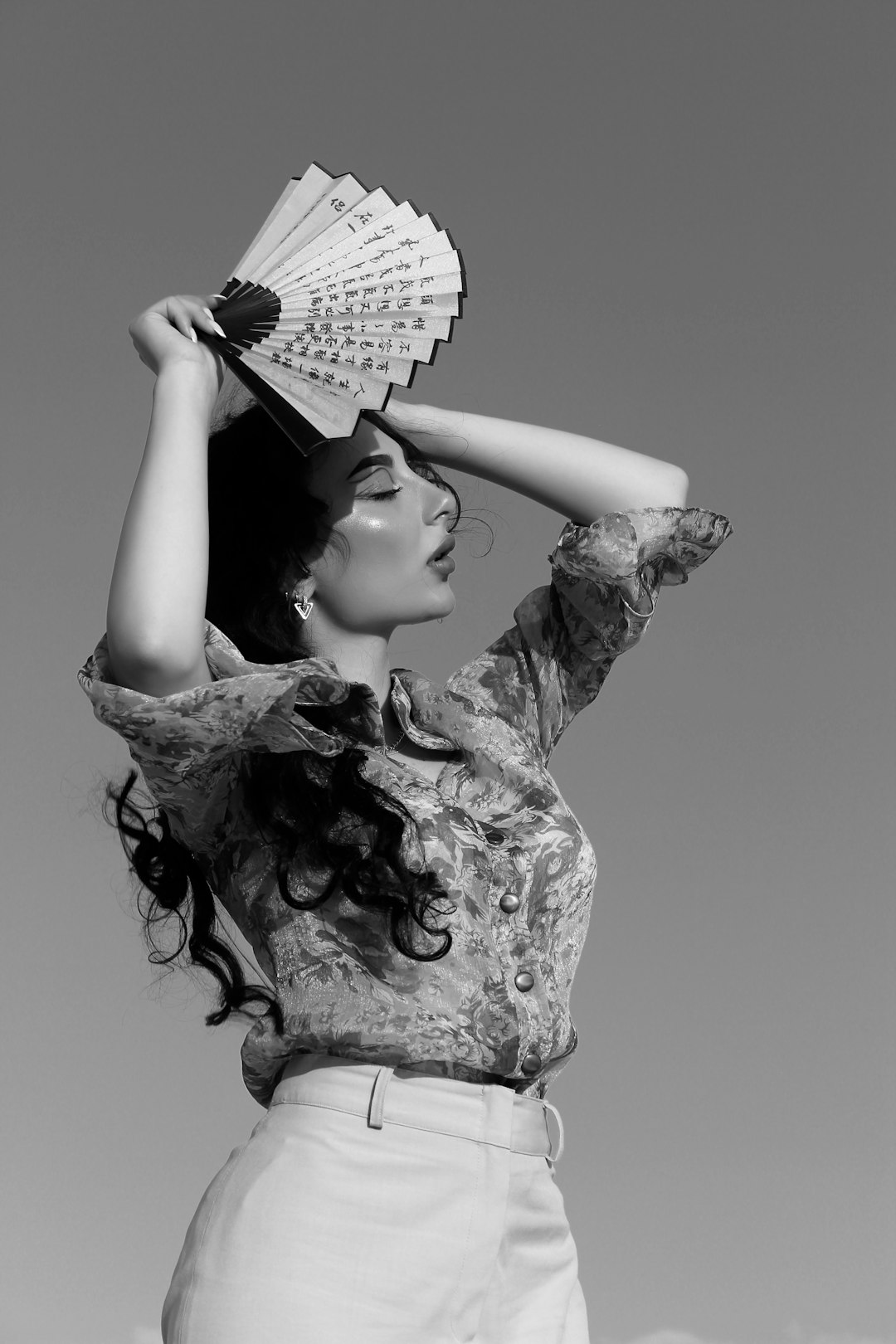
Jazz dance pulses with contradiction—grounded yet airborne, precise yet playful, deeply rooted in history yet constantly reinventing itself. From the syncopated rhythms of African American vernacular dance to the theatrical spectacle of Broadway and the sharp attack of commercial choreography, jazz encompasses a spectrum of styles united by one demand: the dancer must engage with the music, not merely move to it.
Whether you're stepping into your first jazz class or refining your professional audition package, improvement requires more than repetition. It demands intelligent practice, musical literacy, and an understanding of what makes jazz jazz. This guide moves beyond generic advice to offer concrete, style-specific strategies for elevating your craft.
Understanding Your Jazz: Find Your Place on the Spectrum
Before structuring your practice, identify which jazz tradition speaks to you:
| Style | Characteristics | Training Priorities |
|---|---|---|
| Traditional/Classic | Grounded, rhythmic isolations, bent knees, call-and-response patterns | Body percussion, historical vocabulary (Lindy, Charleston), live music experience |
| Broadway/Theatrical | Extended lines, high kicks, presentational energy, storytelling | Acting technique, vocal integration, Fosse-style specificity |
| Contemporary/Commercial | Sharp isolations, intricate musicality, fusion elements | Freestyle confidence, camera awareness, versatility across genres |
"The biggest mistake I see is dancers trying to be everything at once," says Dana Foglia, whose credits include Beyoncé and commercial work worldwide. "Master one dialect of jazz first. The others will come faster once you have that foundation."
The Neuroscience of Repetition: Practice That Actually Works
Muscle memory in jazz dance operates differently than in ballet or contemporary. Jazz's syncopated rhythms and sudden directional shifts require the nervous system to process unpredictable patterns. Here's how to train smarter:
For Isolations: Practice single body parts against steady 4/4 time, then layer in polyrhythms (head on 1-2-3-4, shoulders on the "&" counts). This builds the neural flexibility to execute complex isolations while maintaining lower-body rhythm.
For Turns: Jazz pirouettes often initiate from parallel positions with less preparation time than ballet. Train your vestibular system with controlled spin drills: 8-count turns with eyes spotting at varying heights, then with head releases on specific counts.
For Transitions: The most overlooked element. Dedicate 20% of practice to what happens between the flashy moments—the weight shifts, level changes, and breath connections that distinguish polished dancers from struggling ones.
Musicality: The Non-Negotiable Skill
Jazz without musical understanding is choreography without soul. Yet many dancers practice movement in silence or to simplified counts.
Ear Training for Dancers
| Exercise | Purpose | Frequency |
|---|---|---|
| Clap back syncopated rhythms | Internalize jazz's off-beat emphasis | 10 minutes, 3x weekly |
| Count 8s while listening to big band, bebop, and fusion | Recognize era-specific phrasing | During commute or warm-up |
| Mark choreography to only the melody, then only the bass line | Develop layered listening | Weekly review of class material |
| Improvise to live jazz (no set choreography) | Build real-time musical conversation | Monthly minimum |
"Jazz dancers should study the music the way musicians do," insists Bob Boross, jazz dance historian and educator. "Know your Basie from your Brecker. The movement choices become obvious once you hear what the musicians are actually doing."
Physical Preparation: Train for Jazz's Specific Demands
Generic conditioning wastes time. Target these capacities:
Explosive Power
Jazz leaps require immediate elevation without lengthy preparation. Prioritize:
- Plyometrics: Box jumps (landing in parallel jazz position), tuck jumps with quarter-turn landings
- Eccentric control: Single-leg squats with 3-second lowering phase—mimics controlled landings from jetés
Sustained Isolation Control
Holding chest isolations while executing footwork demands deep core stability:
- Pilates hundreds with added arm variations
- Dead bugs with opposite shoulder drops (mimics jazz torso opposition)
Dynamic Flexibility
Static stretching before dancing reduces power for jazz's quick directional changes. Instead:
- Pre-class: Leg swings (front/back and side), torso twists, ankle circles
- Post-class: Held stretches for hamstrings, hip flexors, and calves—muscles shortened by repetitive kicks and jumps
Progressive Skill Building: A Leveled Approach
Beginner Foundation (0–2 years)
- Clean single pirouette (parallel and turned out)
- Consistent double pir