---
There's something about flamenco that grabs you by the chest and doesn't let go. Maybe it's the way a singer's voice cracks on a particularly painful soleá, or how a guitarist's fingers move so fast you stop breathing. Either way, I went into 2024 knowing barely anything about this music, and I came out the other side completely ruined for anything else.
It started in February, in a cramped tablao in Triana, the ceramics quarter of Seville. A woman named Carmen Linares was singing, and what came out of her mouth wasn't really music — it was something older, something that didn't care about melody or technique. Just raw feeling. I sat there with my drink halfway to my lips, forgot to drink it, and when she finished, I realized I'd been holding my breath for three minutes. That's when I understood this wasn't background music. This was a whole way of being human.
So here's what I've been playing on repeat, the tracks that made me fall deeper into this beautiful obsession:
1. "Soleá del Alma" — Carmen Linares
If you've never heard soleá, imagine the blues, but older. darker. The word means "solitude," and Linaresunderstands this intimately. At 71, her voice has somehow gotten more ragged, more honest. This track — "Soleá del Alma" — feels like 3 a.m. in a empty room after someone you love has left. The guitar accompanying her almost whispers, afraid to interrupt. Every time I play this, I think of this woman in Seville, how her voice contained entire novels of pain.
2. "Rumba de la Luna" — Diego El Cigala
rumba is supposed to be fun — it's the party starter, the one that gets people moving. But El Cigala adds something different here. There's still the clapping, the castanets, but underneath there's a melancholy that sneaks up on you. I first heard this at a rooftop party in Málaga at 2 a.m., and suddenly everyone was dancing, and someone was crying, and no one thought it was weird. That's the thing about buen flamenco — joy and sorrow are the same instrument.
3. "Bulerías de la Noche" — Estrella Morente
Bulerías is the fast one — the angry cousin at the family gathering, all sharp movements and faster guitar. Morente doesn't just sing this; she commands it. The track is barely three minutes long but contains what feels like a lifetime of passion. Her voice moves between roughness and sweetness so quickly your head spins. I listened to this on repeat while learning to move my feet properly, and somehow the practicing stopped feeling like work.
4. "Tangos de la Esperanza" — Paco de Lucía
This one hits differently because it's a posthumous release. De Lucía passed away in 2014, but somehow his guitar still speaks. "Tangos de la Esperanza" has full orchestration behind it — strings, percussion — which purists might turn their nose up at. But honestly? It works. That legendary technique, those perfect runs, they deserved a stage this big. Somewhere in the between spaces of the arrangement, you can almost hear him smiling.
5. "Fandangos en Fragua" — Rosalía
Ah, the controversial one. Rosalía gets heat from traditionalists who think she's watering down flamenco for international audiences. But here's the thing — she's not pretending to be traditional. She's doing something new, and it's good. "Fandangos en Fragua" feels like a conversation between Barcelona club culture and an Andalusian peña. The electronic production might turn some people off, but I'd rather have flamenco evolving than becoming a museum piece.
6. "Siguiriyas del Corazón" — Camarón de la Isla reimagined
Camarón essentially invented modern flamenco. His voice — gruff, beautiful, completely unique — changed everything. This reimagined version of "Siguiriyas del Corazón" keeps his original recording as the foundation but adds subtle contemporary touches. It's not a remix; it's a tribute. The palos here is seguiriya, the most demanding form — you have to empty yourself completely to sing it right. This version does his memory justice.
7. "Sevillanas de Verano" — Los del Río
Sometimes you don't need innovation. Sometimes you need a song so joyful it makes your chest hurt. "Sevillanas de Verano" is summer in audio form — bright, uncomplicated, perfect for dancing in the street with no audience except a few confused tourists. Yes, Los del Río will always be "the Macarena guys" to most people. But their sevillanas are genuinely lovely, and this track captures that specific happiness of June evenings in Seville when the heat finally breaks.
8. "Peteneras de la Frontera" — Tomatito
Peteneras supposedly originated when a famous singer died at a border crossing, and the toque (guitar style) has carried that tragedy ever since. Tomatito, one of the great living guitarists, plays "Peteneras de la Frontera" like he's haunted. The track builds and builds guitar runs, each more intricate than the last, but there's always that underlying sense of searching, of never quite arriving. Close your eyes and you're walking through the Strait of Gibraltar at dusk.
9. "Tientos de la Esperanza" — Niña Pastori
Tientos is slow, meditative — the thinking person's flamenco. Niña Pastori's voice, with that incredible rawness, transforms it into something almost epic. "Tientos de la Esperanza" builds slowly from whispered vocals to full-throated declaration, and by the end you're not sure what you've witnessed — a song, or a prayer. This one stayed in my rotation for months.
10. "Farruca de la Libertad" — Farruquito
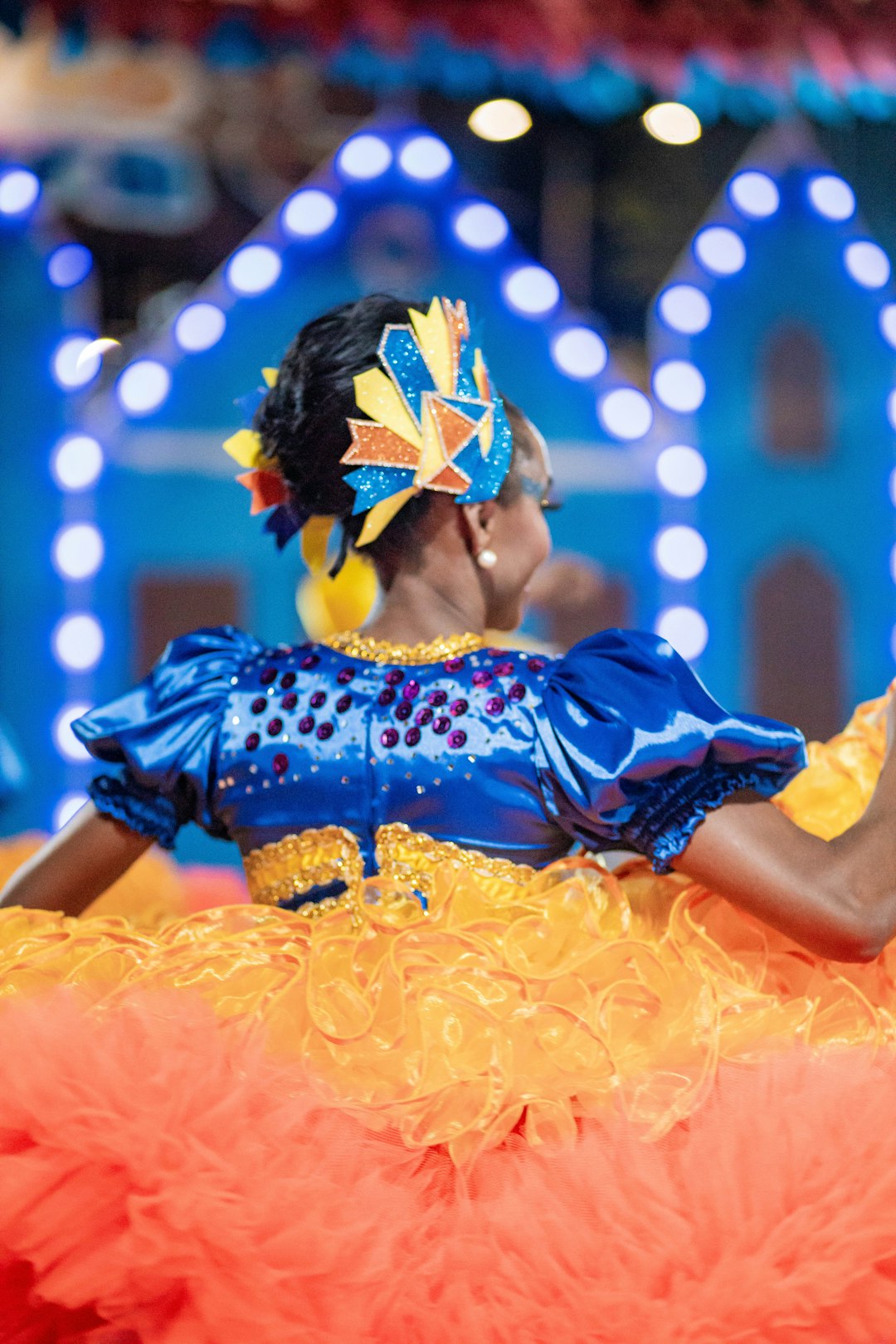
Farruca traditionally is the masculine form — sharp, percussive, no-nonsense. Farruquito, the 42-year-old dancer who learned from his grandfather, brings "Farruca de la Libertad" to life with movement and energy that makes you understand why this music demands your whole body. There's a video of him performing this live, and by the end everyone in the room is standing. The track demands it.
---
I ended up back in that same tablao in Triana in December — a full year of obsession later. Different singer, same cracked ceiling, same too-small glasses of manzanilla. And I understood something: this music isn't about tracks or playlists or year-end lists. It's about the thing that happens when someone opens their mouth and decides to tell you the truth about being alive. These tracks are just my way in. They'll be your way in too.
Now if you'll excuse me, I'm setting my saved playlist to shuffle again.