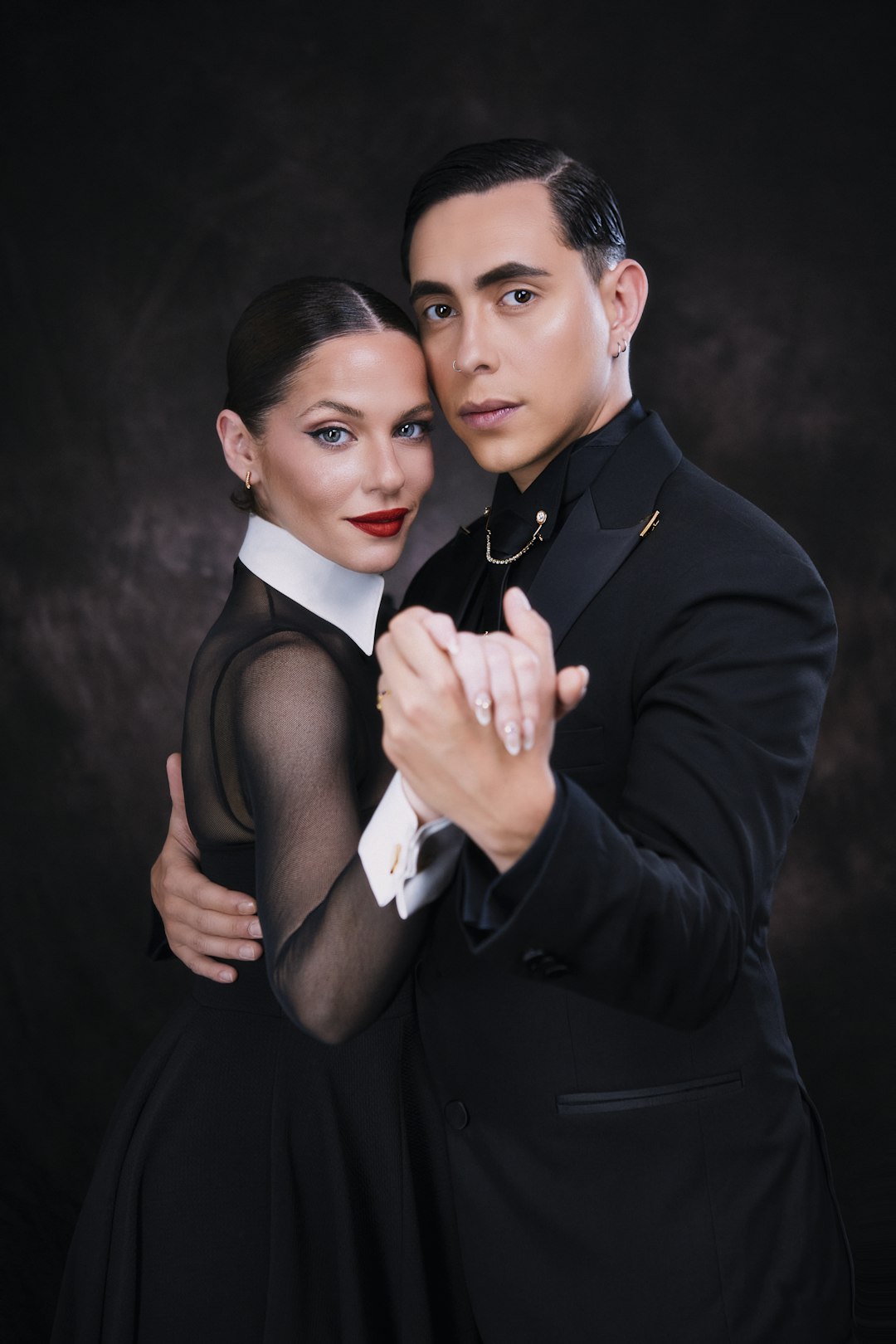
The stuff they don't mention in those glossy studio brochures
My first ballroom competition? I wore shoes that cost $85 — the cheapest pair at the pro shop — and my frame collapsed somewhere around the third measure of waltz. My partner, a lovely woman named Patricia who'd been dancing for maybe six months longer than me, shot me a look that could've curdled milk. We didn't place. Obviously.
But here's what's funny: three years later, we're still friends. She eventually found her groove with a different partner, and I found mine. That's ballroom for you. It chews people up and spits them out, but the ones who stick around? They get addicted to it.
So you want to go pro. Or maybe "pro" feels too lofty and you just want to stop feeling like a newborn giraffe on the dance floor. Either way, let's skip the standard advice you've read a hundred times and talk about what actually matters.
Your studio choice will make or break you (and not how you think)
Everyone tells you to find a "reputable studio with experienced instructors." Sure. But what does that even mean?
Here's the real test: watch a social dance night, not a class. Are the advanced dancers actually good — or do they just know a lot of fancy patterns they can't lead cleanly? Can the instructors dance and teach? Because those aren't the same skill.
I've seen gorgeous dancers who couldn't explain a box step to save their lives. I've also seen instructors who look unremarkable but can diagnose your hip action issues in thirty seconds flat. You want the second type.
Walk into multiple studios. Ask uncomfortable questions. "How many of your students compete?" "What's your retention rate after six months?" "Can I watch a private lesson?" Good studios won't flinch. Shady ones will get weird about it.
The basics will save your life (and your partnerships)
You don't need to learn fifteen dances in your first year. Please don't try. I watched a guy attempt this — he could kinda-sorta lead seven different styles but couldn't get through a rumba without his partner guessing half the steps.
Pick three. Maybe four. Waltz, foxtrot, rumba. Cha-cha if you're feeling ambitious. Live in them. Breathe them. Get so comfortable with your frame that it stays put even when you're stressed about nailing a routine.
Your footwork? It's never as good as you think it is. Record yourself. Watch the footage. Cringe. Fix. Repeat. The camera doesn't lie, and neither do competition judges.
Shoes and clothes: where money actually matters
Those $85 shoes I mentioned? They lasted maybe eight months before the suede started peeling off. Should've spent the $150 on Ray Rose or International. Better support, better balance, better everything.
You don't need competition gowns or tailsuits yet. But your practice clothes shouldn't restrict your shoulders or hips. I've seen dancers show up in jeans and then wonder why their Cuban motion looks like they're constipated.
Spend real money on shoes. Everything else can wait.
The partner question (it's complicated)
Finding a dance partner isn't like finding a gym buddy. You're physically connected for hours, reading each other's bodies, coordinating timing down to fractions of a beat. It gets intimate in weird ways.
Some partnerships are magic. Others are nightmares. I know a couple who screamed at each other mid-competition, continued dancing, and still placed second. They broke up a week later.
Look for someone whose goals align with yours, sure, but also ask: can you handle criticism from this person? Do you communicate when things go wrong? Are they showing up to practice or just talking about it?
And if you're single? Studios often have "partner matching" boards or social events. It's not weird to put yourself out there. Everyone's in the same boat.
Competitions teach you things practice never will
Your first competition will humble you. That's fine. That's the point.
You'll see dancers who make it look effortless. You'll also see dancers who looked great in practice and fell apart under lights and judges. Nerves are real, and the only way to build competition resilience is to compete.
Start small. Local USA Dance or NDCA events. Watch the higher levels while you wait for your heats. Pay attention to what judges actually reward — it's not always what you expect.
Your body needs actual conditioning
Ballroom isn't gentle. A three-minute Viennese waltz at competition tempo will spike your heart rate like a sprint. Rumba demands controlled hip isolation that'll make your glutes scream if you're not conditioned.
Strength train. Stretch daily. Cardio matters. And for god's sake, warm up before you dance — I've seen too many people blow out knees because they walked into the studio and immediately started spiraling turns.
The network is real
I got my first teaching gig because someone saw me at a social dance and mentioned a studio was hiring. My current partner found me through a Facebook group. The workshop that finally fixed my heel leads? I heard about it from someone I met at a competition.
Show up to things. Be decent to people. The ballroom world is smaller than you'd think.
Here's the truth nobody wants to admit
Most people who start ballroom don't become professionals. That's just math. There aren't that many pro spots, and the ones that exist go to dancers who've put in years of obsessive, grueling work.
But here's the other truth: you don't need "pro" status to have a ballroom career that changes your life. You can teach social classes. You can perform at showcases. You can be the dancer everyone watches at milongas and socials, the one who makes it look easy because you put in the work.
The journey's the thing. The blisters, the bad practices, the partnerships that didn't work, the competitions where you didn't place — they all stack up into something worth having.
Patricia and I joke about that disastrous waltz sometimes. She's teaching now. I'm still competing. Neither of us ended up where we thought we would, but we're both still here, still dancing. That might be the real win.