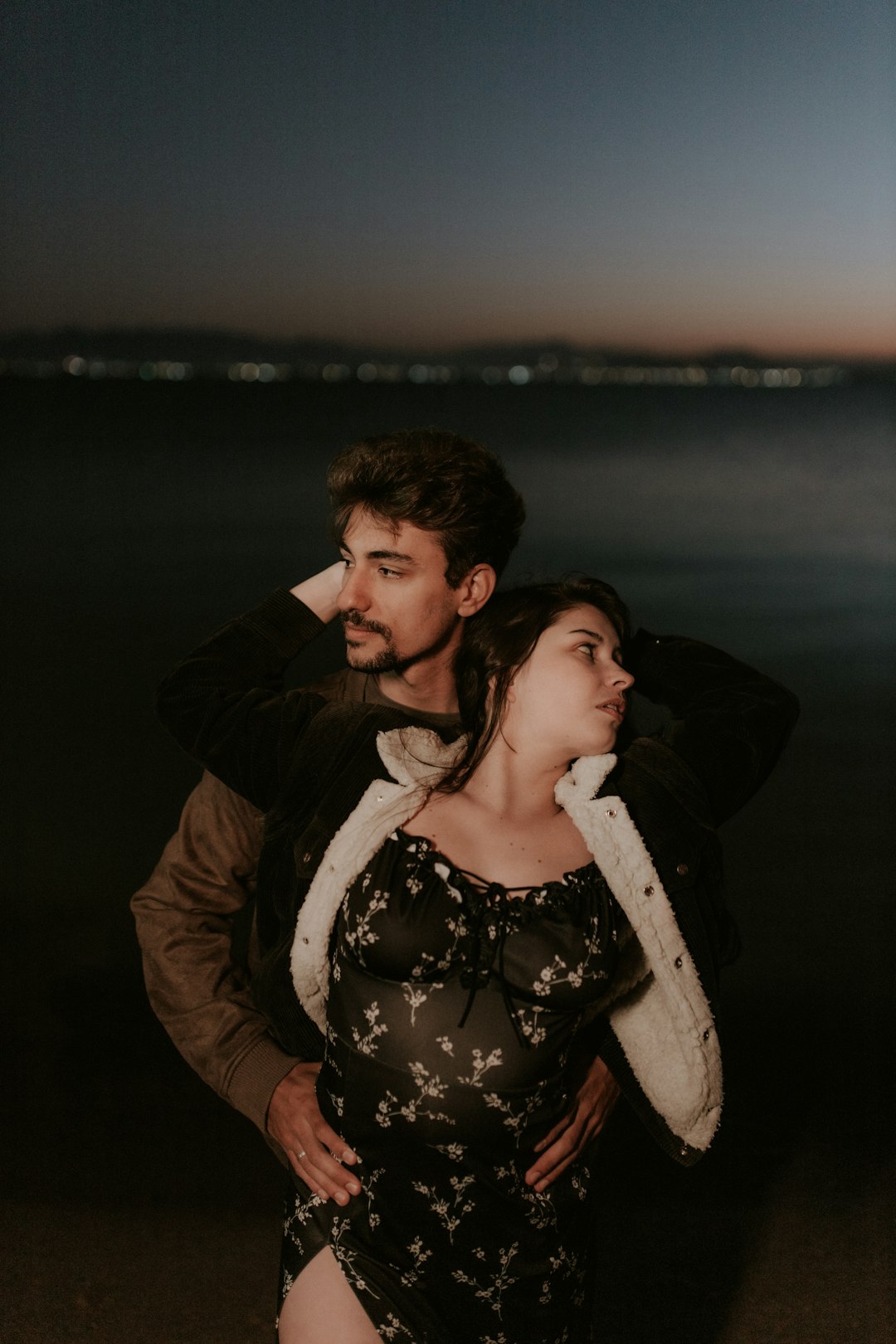
The Beat That Hooked Me
Maria grabbed my arm and pulled me onto the dance floor during a Friday night social at La Casa de la Cumbia. "Just follow the drum," she said, laughing as I stumbled through the basic step. That was three months ago. Now I can't hear a cumbia rhythm without my feet starting to move on their own.
That's the thing about cumbia—it sneaks up on you. One minute you're watching from the sidelines, the next you're planning your week around dance class.
Why Portland City's Cumbia Scene Is Growing
Portland City sits far from Colombia's Caribbean coast, where cumbia was born from African, Indigenous, and Spanish musical traditions. But distance hasn't stopped the dance from finding a home here. Walk past any studio window on a Tuesday evening and you'll hear those distinctive percussion patterns—the guiro scraping, the drums calling back and forth.
Local instructors have built something real. They're not just teaching steps; they're passing down a cultural tradition that spans centuries.
Where to Start Your Cumbia Journey
Rhythm & Roots Dance Studio sits right downtown, and it's probably where most Portland City beginners end up first. Their introductory classes pack about 15 people, which sounds crowded until you realize the energy of a full room helps mask your mistakes. The instructors—most have danced competitively—break down the "candlelit step" (that signature back-and-forth glide) without making you feel awkward.
La Casa de la Cumbia takes a different approach. This community center feels more like a friend's living room than a studio. Monthly socials draw 40 to 60 dancers, from teenagers to retirees. I've watched instructors spend twenty minutes helping a nervous first-timer find the beat. No rush, no judgment.
Portland City Dance Academy attracts dancers who want structure. Their progressive curriculum moves from fundamentals through advanced partner work. Guest instructors fly in from Chicago and Houston several times a year, which keeps the curriculum fresh and gives students exposure to different regional styles.
Salsa y Más primarily teaches—you guessed it—salsa. But their cumbia classes have developed a loyal following. The energy here is lighter, more playful. Combo classes that mix cumbia with merengue and bachata give you more bang for your buck if you're curious about Latin dance beyond a single style.
Finding Your Fit
The studio matters less than showing up consistently. I've watched dancers progress faster with weekly private lessons at smaller centers than those who drop into crowded group classes sporadically.
Visit a few places first. Most offer a free trial class or let you observe. Watch how instructors correct mistakes—do they demonstrate, or just talk? Notice if students linger after class to practice. That's usually a sign of genuine community.
The Real Reason to Start
Cumbia's cultural significance runs deep. But honestly? Most people start because it's fun. The music makes you want to move. The steps look impressive but aren't impossibly complex. And the Portland City community welcomes newcomers with open arms.
Three months after that awkward Friday night, I'm the one pulling friends onto the dance floor. "Just follow the drum," I tell them. They will.