You've finally worked up the courage to attend your first salsa social. The basics are coming together, your timing is improving, and then you catch your reflection between songs—sweat-drenched cotton clinging to your back, pants that won't stay put through a turn, and sneakers that squeak against the floor with every step. The outfit that felt fine in the mirror at home has become a liability.
Welcome to the attire learning curve every salsa dancer faces. The gap between "looks good standing still" and "performs under pressure" is wider than most beginners expect. This guide bridges that gap with practical, experience-tested advice for dressing functionally and stylishly—whether you're heading to a casual studio class or your first nightclub salsa night.
The Salsa Attire Philosophy: Function First, Flair Second
Salsa demands continuous movement: quick footwork, body isolations, arm styling, and partner work that includes spins, turns, and close-frame connection. Your clothing must accommodate all of this without adjustment, distraction, or wardrobe malfunctions.
The best salsa outfits share three qualities:
- Unrestricted mobility — Full range of motion for shoulders, hips, and knees
- Temperature regulation — Breathability for 30+ minutes of sustained activity
- Partner-work compatibility — Fabrics and fits that work for, not against, your lead or follow
Style matters, but it emerges from these functional foundations. A dancer who moves confidently in well-chosen basics outshines one tugging at ill-fitting "statement pieces."
Core Components: Building Your Salsa Wardrobe
Tops: Coverage That Moves With You
For leaders: Fitted button-downs or tailored shirts that stay tucked during Cuban motion. Avoid excess fabric that bunches at the waist or restricts shoulder movement. Roll sleeves to mid-forearm to prevent catching on your partner's hands during turns.
For followers: Fitted tops with secure necklines—spaghetti straps and loose cowls risk exposure during spins. Consider sleeve length carefully: cap sleeves allow arm styling visibility but can ride up; three-quarter sleeves stay in place but limit bracelet options.
Universal winners: Jersey knits with 4-way stretch, wrap-style tops with secure closures, and moisture-wicking athletic cuts that don't look like gym wear.
Bottoms: Freedom for Footwork and Hips
For leaders: Straight-leg or slightly tapered pants with room through the hips and thighs. Cuban motion requires hip movement that slim-fit jeans or stiff dress pants restrict. Waistbands should sit at the natural waist—low-rise styles gap and shift during movement.
For followers: The choice between pants and skirts/dresses is personal, but each has considerations:
- Pants: Wide-leg or palazzo styles allow airflow and leg visibility; ensure they're hemmed to your heel height to prevent tripping.
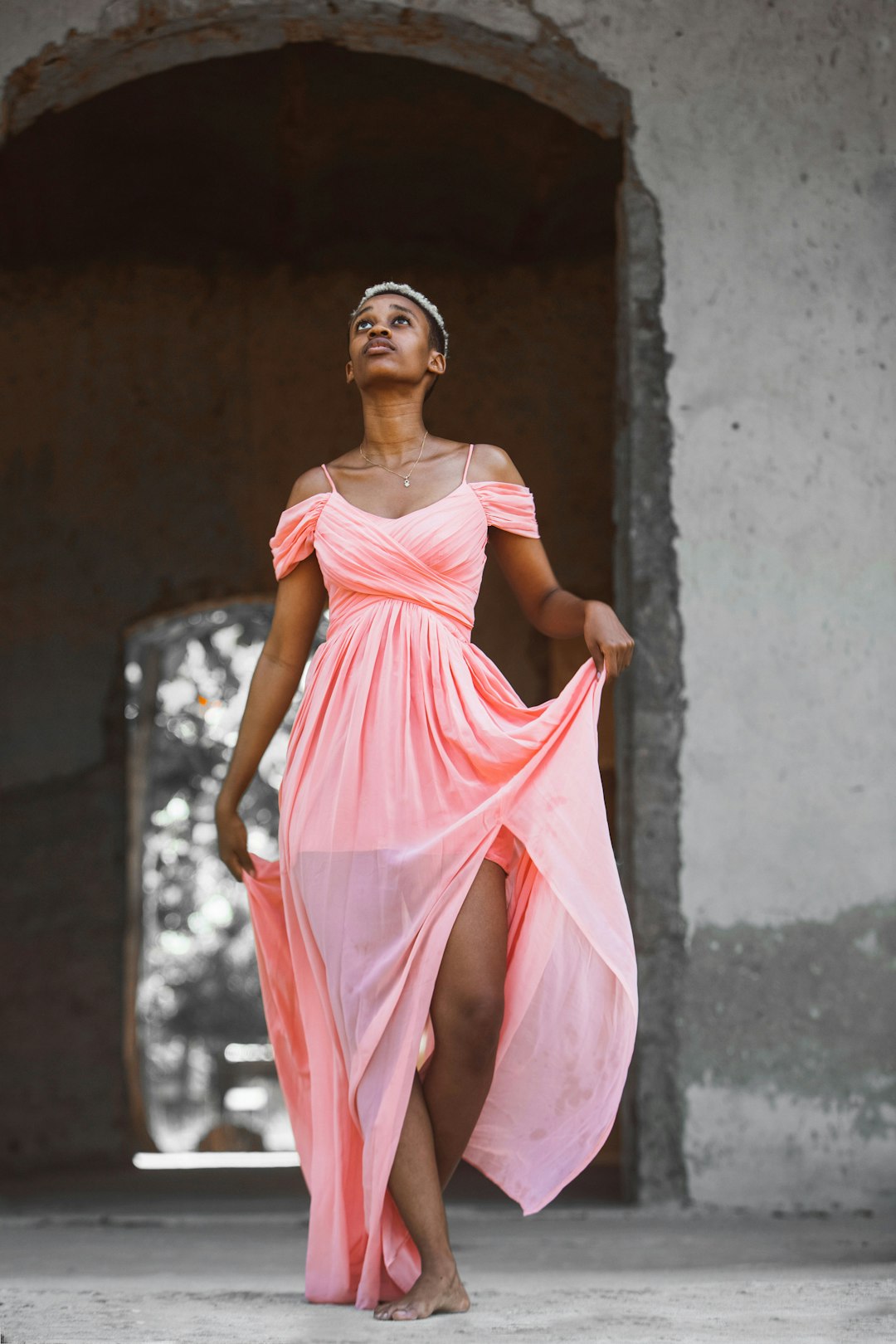
- Skirts: A-line or flared cuts that move with you, not against you. Pencil skirts restrict leg movement; maxi lengths create trip hazards.
- Dresses: Empire or natural waistlines that don't compress the ribcage (you need to breathe). Skirt weight matters—too light and it flies up on spins; too heavy and it drags.
Fabric Science: Beyond "Breathable"
The standard advice to choose "lightweight, breathable fabrics" like cotton and linen misses critical nuances. Experienced dancers prioritize:
| Fabric Type | Best For | Why It Works | What to Avoid |
|---|---|---|---|
| Moisture-wicking synthetics (polyester/spandex blends, bamboo rayon) | High-intensity social dancing | Draws sweat away from skin; dries quickly | 100% polyester without stretch |
| Jersey knits with elastane | Tops requiring stretch | Recovers shape after movement; moves with body | Jersey without recovery (bags out by night's end) |
| Natural fibers with 4-6% elastane | Pants and structured pieces | Breathability without sagging | 100% cotton (shows sweat, loses shape) |
| Performance dancewear blends | Frequent dancers, performers | Engineered for movement and durability | Raw silk (too slippery for partner connection), anything without stretch |
Critical warning: Cotton and linen, while breathable, wrinkle heavily and display sweat prominently. For nightclub settings or performance contexts, they're rarely the best choice.
Footwear: The Foundation of Every Movement
Salsa footwear requirements differ sharply between roles and surfaces. Generic "comfortable shoes with low heels" advice can actively hinder your dancing.
For Leaders
- Heel height: 1 inch or flat (Cuban heels for Latin styling, dance sneakers for practice)
- Sole material: Leather or suede for controlled slides; rubber only for outdoor or especially slippery floors
- Construction: