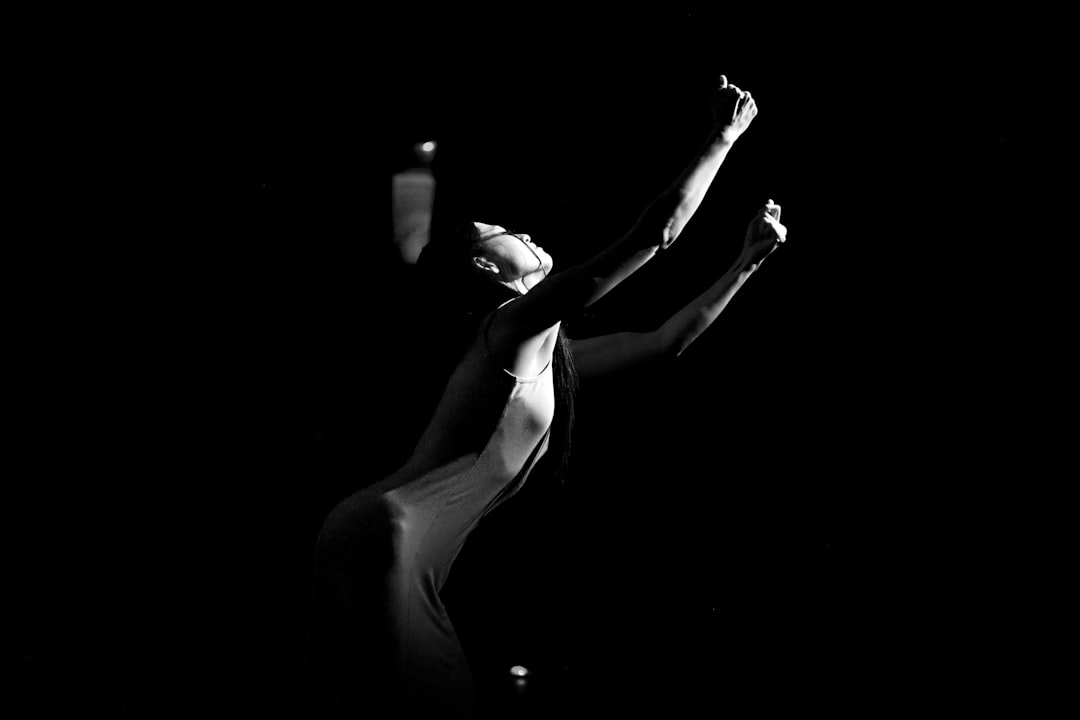
The first time I stepped onto a salsa social dance floor in stiff jeans and rubber-soled boots, I learned a hard truth: salsa has its own dress code, and ignoring it means fighting your outfit instead of enjoying the music. Fifteen years of social dancing across LA, Cuban, and Colombian scenes have taught me that the right salsa dance clothes don't just look good—they protect your body, enhance your movement, and signal to partners that you understand the culture.
This guide covers everything you need to know about what to wear to salsa class, social dances, and performances, with specific recommendations for different salsa styles and skill levels.
Understanding Salsa Dress Codes by Context
Before building your wardrobe, know where you're dancing:
| Setting | Dress Code | Key Priorities |
|---|---|---|
| Beginner classes | Casual athletic wear | Freedom of movement, moisture management |
| Salsa socials | Elevated casual to dressy | Breathability, quick changes, floor-appropriate shoes |
| Performances | Theatrical costumes | Visual impact, security under lights |
The unspoken rule at most salsa socials? No jeans. Denim restricts hip movement, traps heat, and signals inexperience. When in doubt, observe the regulars and dress one level above your comfort zone.
Essential Bottoms: Move Without Restriction
Performance Leggings and Dance Pants
Forget cotton. Salsa generates serious sweat, and 100% cotton absorbs moisture, becomes heavy, and loses shape mid-dance. Instead, prioritize moisture-wicking performance fabrics—nylon-spandex blends in 80/20 or 88/12 ratios that offer four-way stretch.
Look for these construction details:
- High-waisted designs that prevent gapping during hip isolations and arm movements overhead
- Gusseted crotches that eliminate seam stress during splits, dips, and wide stances
- Flatlock seams that reduce chafing during repetitive movement
For Cuban or Colombian styles with faster footwork, consider dance sneakers or fitted pants with stretch panels at the knee.
Skirts That Work With You
Not all "flowy" skirts are created equal. For salsa, you want movement-catching designs that respond to momentum without tangling:
- Circle skirts or half-circle cuts provide consistent flare without excess fabric
- Bias-cut slips create elegant drape with minimal volume
- Handkerchief or asymmetric hems add visual interest while staying clear of your feet
Avoid: full tulle skirts (too bulky for crowded floors), maxi lengths (tripping hazard), and anything with rigid petticoats that restrict close embrace.
Tops: Balance Expression With Function
The Perfect Practice Top
Your upper body needs temperature-regulating fabrics that handle rapid shifts between heated dancing and air-conditioned breaks. Ideal features include:
- V-neck or scoop necklines that elongate the neck and accommodate necklaces that stay put
- Raglan or dropped shoulders that allow full arm extension without seam restriction
- Built-in shelf bras or secure strap configurations that eliminate wardrobe adjustments mid-dance
Silk blends and lightweight viscose work well for socials; save cotton for casual practice only.
Layering for Venue Changes
Every experienced salsa dancer carries a lightweight wrap or shrug. Venues swing between overheated dance floors and freezing lobbies. A chiffon or mesh cover-up provides modesty during breaks without bulk.
The Non-Negotiable: Proper Salsa Dance Shoes
This is where most beginners go wrong—and where injuries happen. Street shoes, even "non-marking" ones, damage wooden dance floors and lack the controlled slide essential for salsa technique.
What Actually Matters
| Feature | Why It Matters | Recommendation |
|---|---|---|
| Suede or chrome leather sole | Provides controlled slide without sticking | Never rubber; never street shoes |
| Heel height | Affects balance and style execution | LA/Linear: 2.5–3" flared heel; Cuban/Casino: 1.5–2" or dance sneakers |
| Ankle straps | Secures foot during spins and direction changes | Criss-cross or T-strap designs |
| Toe box | Protects during partner work, allows pointing | Open-toe for advanced dancers; closed-toe for beginners |
Critical maintenance: New suede soles are too slick. Break them in with a wire brush before your first social, and brush regularly to maintain consistent friction.
The Missing Essentials Most Guides Forget
Dance Underwear and Shapewear
Regular underwear creates visible lines and shifts during movement. Invest in seamless, moisture-wicking dance underwear or **