The wrong outfit has ended more salsa nights than blisters ever have. A skirt that rides up during a turn. A shirt that traps heat by the third song. Jeans that grip the floor when you need to pivot. In salsa, your clothing isn't just decoration—it's equipment. Every spin, every dip, every rapid-fire footwork pattern demands specific performance from your wardrobe.
This guide moves beyond generic "dress comfortably" advice to give you the technical, cultural, and practical knowledge that separates confident dancers from self-conscious wallflowers.
Why Salsa Demands Specialized Dancewear
Salsa technique creates unique physical demands. The dance's signature Cuban motion requires continuous hip articulation and knee flexibility. Partner work demands sudden directional changes—leaders execute sharp stops and starts; followers sustain rapid spins requiring spotting and balance recovery. Social salsa adds another variable: three to five minutes of sustained cardiovascular exertion in crowded, often warm venues.
Your outfit must accommodate three biomechanical priorities:
- Unrestricted hip mobility for Cuban motion and body isolation
- Spinal rotation for clean turns and directional changes
- Arm extension for styling, frame maintenance, and partner connection
Street clothes fail these tests. Denim restricts hip movement. Cotton t-shirts absorb sweat and cling. Rubber-soled shoes create dangerous floor grip. Understanding why specialized dancewear matters helps you make smarter investments.
The Core Wardrobe: Dress for Your Context
Salsa operates in three distinct environments, each with unwritten dress codes. Wearing practice clothes to a congress or performance attire to a beginner class signals inexperience.
Practice Wear: Function Over Flash
For weekly classes and studio training, prioritize durability and washability. You'll sweat, repeat movements dozens of times, and possibly sit on studio floors.
Tops: Moisture-wicking synthetic blends (polyester-spandex mixes) outperform cotton. Look for flatlock seams that won't chafe during repetitive arm movements. Racerback or wide-strap tank tops stay in place during spins. Avoid loose sleeves that could catch on jewelry or partner hands.
Bottoms: High-waisted leggings or fitted dance pants with four-way stretch. The waistband should sit at your natural waist to stay put through hip movements. For men, slim-fit joggers with ankle cuffs prevent fabric interference with footwork. Women practicing spins should consider shorts with built-in briefs or bike shorts under skirts to prevent exposure.
Key fabric specification: Seek 15-20% spandex content for recovery—cheaper fabrics sag after an hour of wear.
Social Dancing: Style Meets Practicality
Salsa socials (milongas in Argentine tango, "salsa nights" or "socials" here) blend athletic performance with social presentation. You're dancing for three to four hours in varying temperatures.
Women's tops: Wrap-style or ruched tops accommodate body temperature fluctuations. Cross-front designs stay secure during backward leans. Avoid pure white—underarm sweat shows immediately. Sequins and embellishments are acceptable but test them: scratchy edges irritate partners' hands and arms.
Men's tops: Fitted button-downs in breathable weaves (linen blends, performance cotton). Untucked is standard; ensure length covers your waistband during arm raises. Roll sleeves to mid-forearm—full sleeves trap heat and restrict forearm connection with partners.
Skirts and dresses: A-line or flared cuts between mid-thigh and knee-length optimize movement and coverage. The "spin test" is mandatory: raise your arms and turn rapidly in a fitting room. If the hem rises above mid-thigh, it will ride up on the dance floor. Consider built-in shorts or wear dance briefs underneath.
Pants: Women in fitted pants should verify ankle mobility—pants should lift easily to reveal the foot for heel leads. Men: tailored chinos or slim dress pants in stretch fabrics. Avoid belt loops that catch on partner clothing; consider side-adjusters or internal waistbands.
Performance and Congress Attire: Maximum Impact
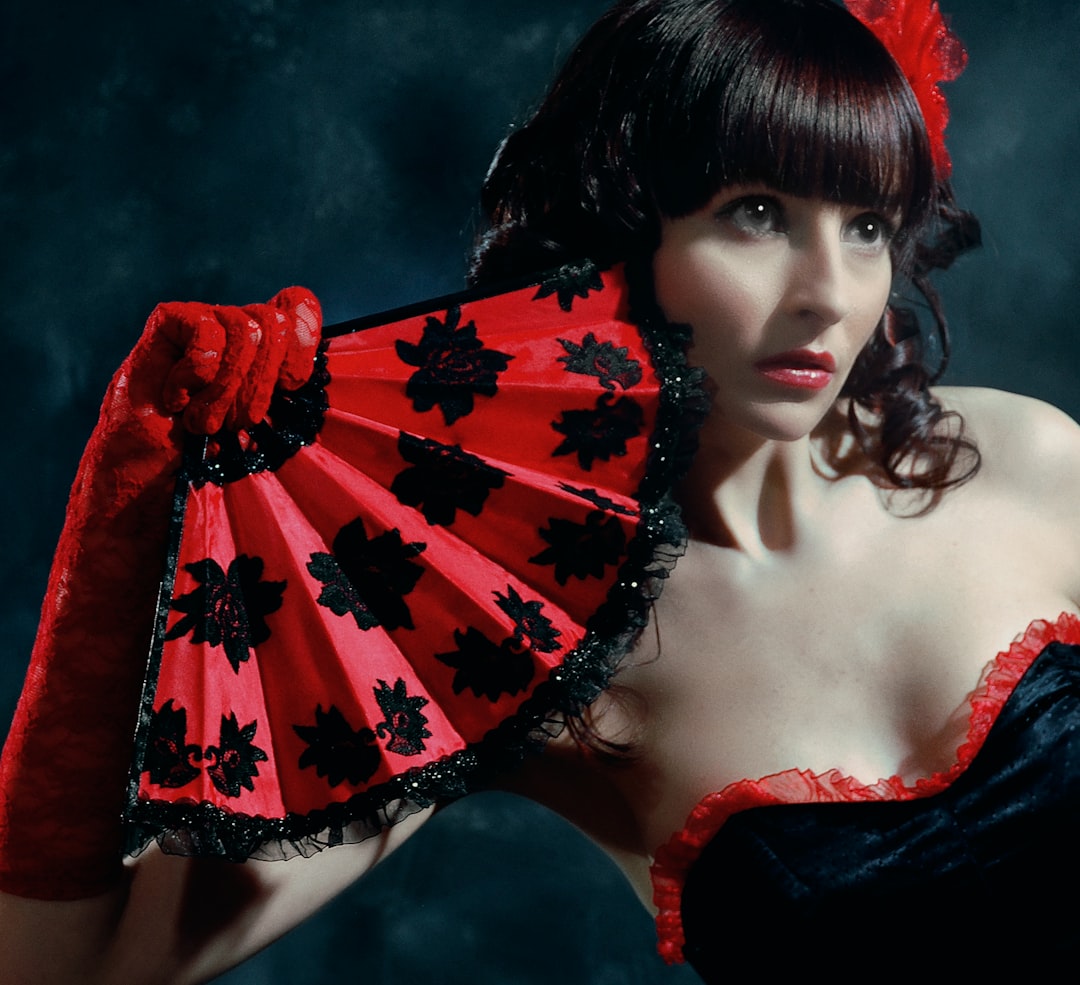
Competitions and salsa congresses (weekend festivals with workshops and shows) permit theatrical expression. This is where Latin dance's cultural heritage shines—vibrant colors, dramatic silhouettes, and deliberate skin exposure.
Performance wear prioritizes visual lines and movement amplification. Fringe, ruffles, and flowing panels extend your movement's visual trail. High slits in skirts create leg line extension. Men: fitted vests or open shirts over bare chests; tailored trousers with satin stripes.
Congress social dancing balances glamour with endurance. You'll attend daytime workshops (dress practically) and evening parties (dress to impress). Pack separate outfits or choose convertible pieces—dresses that work with or without statement jewelry, pants with removable embellishments.
Shoes: Your Most Critical Investment
Shoes separate functional dancers from struggling beginners more than