Finding the right outfit for salsa dancing means balancing three priorities that often pull in different directions: freedom of movement, personal confidence, and practical considerations like venue temperature and dance floor surface. Unlike other social dances, salsa demands quick directional changes, spins, hip isolations, and close partner connection—so your clothing needs to work as hard as you do.
This guide moves beyond rigid body categories to focus on how different silhouettes, fabrics, and design choices serve your dancing. Use these principles as your starting point, then adapt based on what feels right when you're actually moving.
What Every Salsa Dancer Needs to Know First
Before diving into specific recommendations, understand these non-negotiables:
Fabric matters more than fit. Look for four-way stretch materials with at least 10-15% spandex content. Cotton-spandex blends breathe well for social dancing; moisture-wicking synthetics perform better under hot stage lights. Avoid 100% cotton (shows sweat immediately) and stiff fabrics that resist movement.
Shoe choice affects everything. Salsa requires suede-bottomed dance shoes with 2-3 inch heels for women, or 1-2 inch Cuban heels for men. Street shoes damage dance floors; wedges and platforms create ankle instability during spins. Invest in proper dance shoes before worrying about your outfit.
Undergarments are infrastructure. Seamless dance underwear, supportive sports bras with low bounce, and for men, dance belts or compression shorts prevent wardrobe malfunctions during dips and turns. Test your full outfit—including underlayers—with vigorous movement before wearing it out.
Working With Your Proportions
Creating Vertical Length
If you're shorter or have a shorter torso-to-leg ratio:
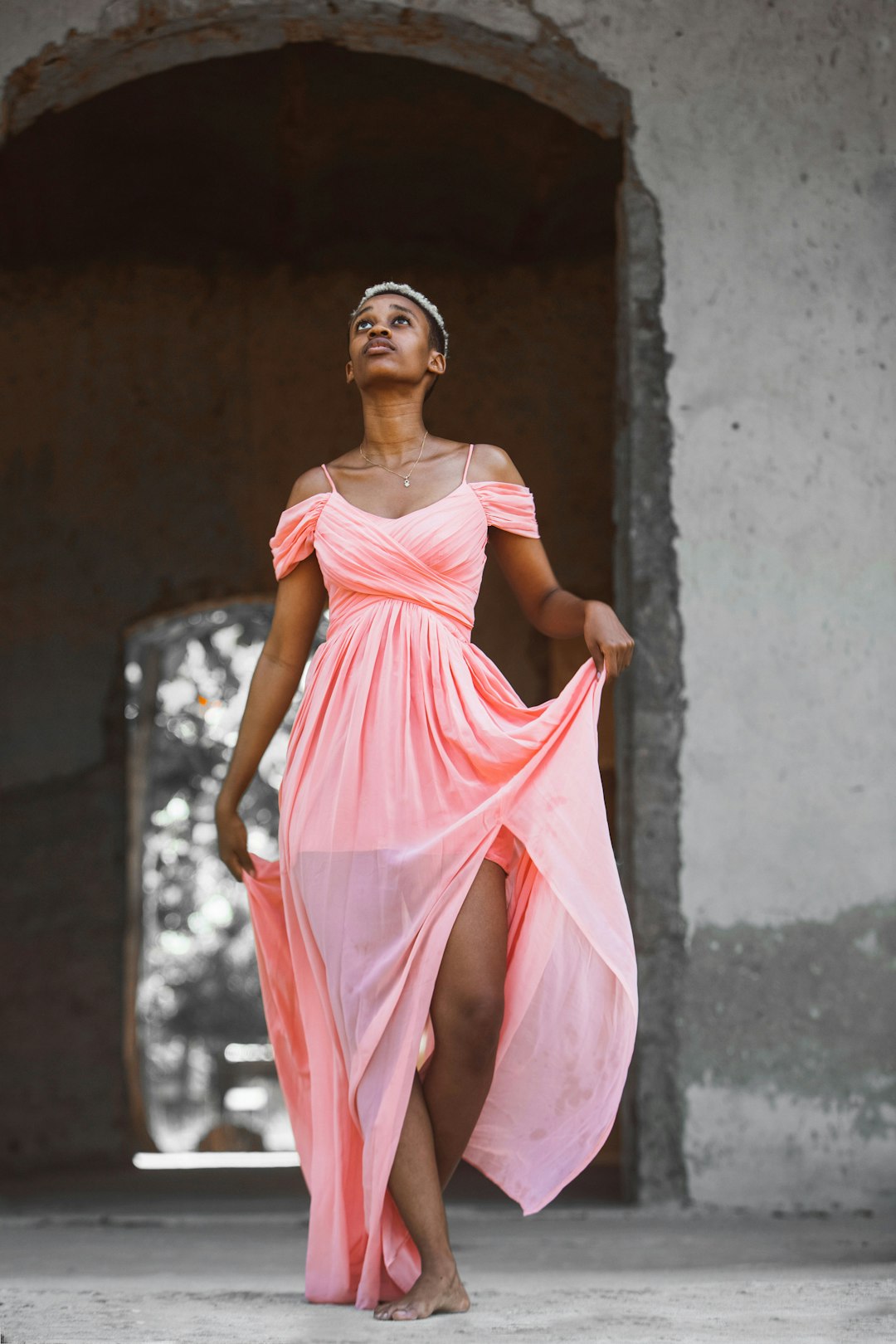
- Choose skirts and dresses that hit mid-thigh to just above the knee. This shows clean leg lines during turns while maintaining modesty through dips. A-line or flared cuts move beautifully; avoid pencil skirts that restrict the hip action essential for Cuban motion.
- Select tops that end at your natural waist or feature vertical details— princess seams, vertical ruching, or color-blocking—that draw the eye upward.
- V-necks and scoop necks create upward visual movement better than high necklines on shorter frames.
- Monochromatic outfits or pieces with minimal horizontal breaks create uninterrupted vertical lines.
Avoid: Midi-length skirts that cut your leg line at its widest point, or dropped waists that make legs appear shorter.
Creating Visual Balance
If you're taller or have longer limbs:
- Ankle-length skirts restrict the leg styling that makes salsa visually exciting. Instead, choose knee-length or slightly-below-knee cuts with asymmetrical hems or slits that allow movement without overwhelming your frame.
- Break up long vertical lines with strategic horizontal elements: color-blocking at the waist, wide belts, or patterned separates rather than solid jumpsuits.
- Your proportions can handle more fabric volume—flowing sleeves, draped necklines, or fuller skirts—without looking overwhelmed.
- Statement jewelry, detailed necklines, or interesting back designs draw attention upward and add visual interest.
Avoid: Overly minimal outfits that emphasize height without warmth, or extremely short hemlines that feel costume-like rather than stylish.
Accentuating and Supporting Curves
If you have fuller hips, bust, or midsection:
- Ruching and strategic gathering flatter more than skin-tight fits. Look for side-ruched tops and skirts with built-in shape that moves with you.
- Wrap-style tops and dresses adjust to your proportions and stay put during turns.
- Empire waists or defined waistlines above your natural waist create proportion play; dropped waists typically don't serve curvy figures in dance contexts.
- Darker colors on areas you prefer to minimize, with brighter or detailed elements where you want focus, work better than all-black "hiding."
Avoid: Non-stretch fabrics that strain at curves, or overly compressive garments that restrict breathing during aerobic dancing.
Adding Dimension to Streamlined Shapes
If you have a more rectangular or athletic build:
- Create curves through construction: peplum details, gathered or ruched fabrics, and draped necklines add softness.
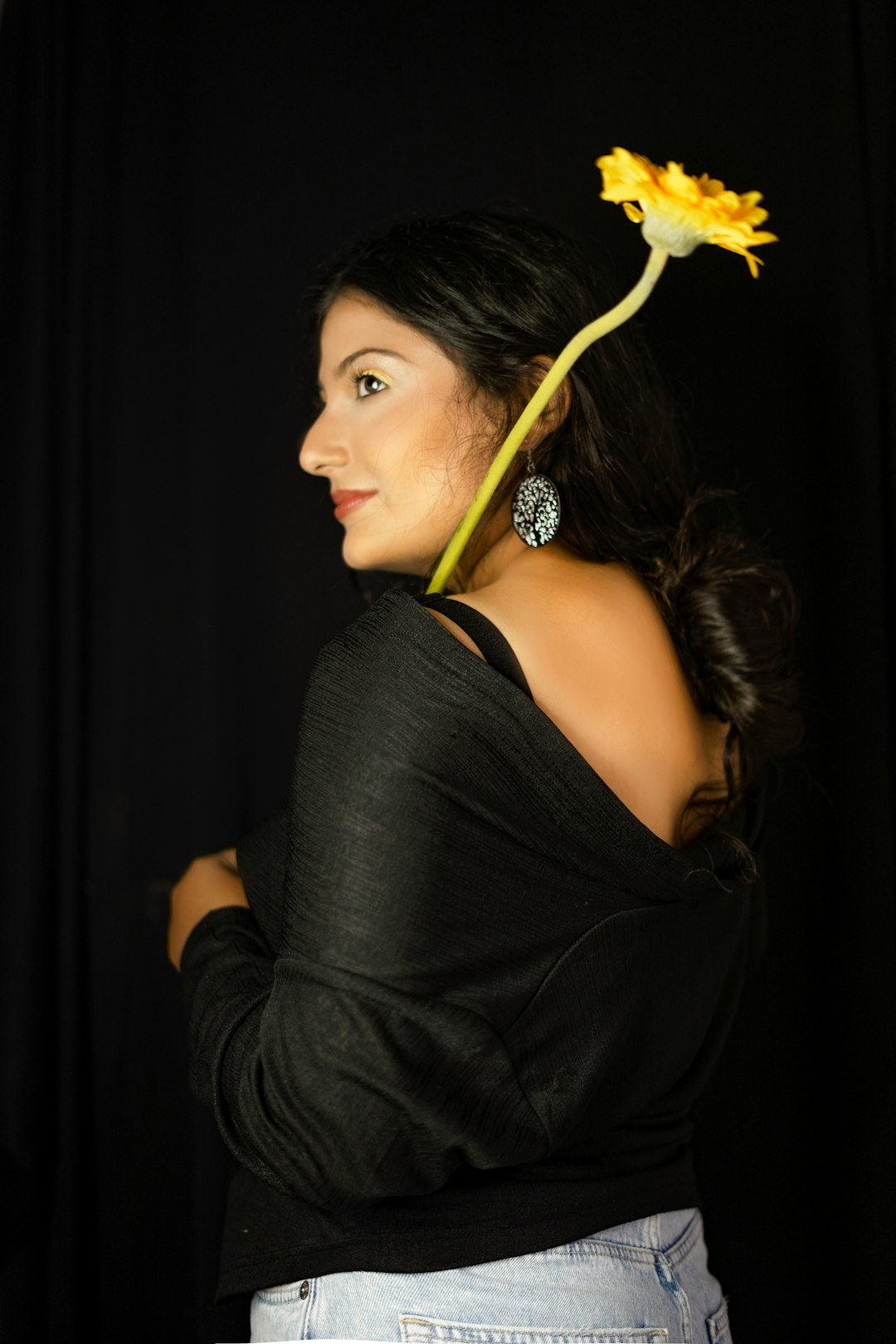
- Strategic cutouts—keyhole backs, shoulder details, or side panels—create visual interest and break up straight lines.
- Separates often work better than dresses, allowing you to mix fitted and flowing pieces.
- Texture through lace overlays, mesh inserts, or sequin details adds dimension that plain fabrics don't provide.
Avoid: Overly boxy cuts that hide your frame entirely, or excessive layering that obscures body lines your partner needs to feel for connection.
Venue-Specific Adaptations
Hot, crowded social dances: Sleeveless or short-sleeved moisture-wicking tops, breathable skirts with built-in shorts, and hair secured away from your face. Bring a small towel and spare top.
**Air-conditioned ballrooms or winter events