The dance studios of San Lorenzo, California, don't share a single address or aesthetic, but walk through their doors on any given evening and you'll find variations on the same scene: bodies in motion, instructors calling corrections over piano or electronic beats, and students who treat these spaces as second homes. Located roughly 15 miles southeast of San Francisco, this unincorporated Alameda County community has become an unlikely hub for dance education—nurturing everyone from preschoolers in first tutus to adults reclaiming movement after decades away.
What follows is not a ranking but a field guide to four institutions shaping how San Lorenzo dances, each with distinct philosophies, student populations, and definitions of what training can become.
San Lorenzo Academy of Dance: The Classical Foundation
Maria Chen still teaches three advanced ballet classes weekly at the studio she founded in 1987, operating from a converted warehouse on Hesperian Boulevard with five sprung-floor studios and floor-to-ceiling windows that students say make sunset rehearsals feel cinematic. A former soloist with San Francisco Ballet, Chen built the academy's syllabus around Royal Academy of Dance certification standards—structured, examination-based progressions that have sent graduates to conservatory programs at Juilliard, Boston Ballet, and UC Irvine.
The academy serves roughly 340 students annually, divided between a children's division (ages 3–12), a pre-professional track for adolescents, and an adult program added in 2015 after persistent parent requests. "We had mothers sitting in the lobby for years," Chen notes. "Eventually we told them, 'Come take class yourselves.'"
Notable programming includes an annual Nutcracker production featuring community dancers alongside guest professionals, and a summer intensive that draws students from Sacramento to San Jose. Tuition runs $165–$380 monthly depending on level; the academy distributes approximately $15,000 annually in need-based scholarships, funded partly by a spring gala performance.
The Movement Hub: Technology as Training Partner
When James Okonkwo opened The Movement Hub in 2019, he brought credentials unusual for a dance studio founder: an MFA in dance from NYU's Tisch School of the Arts and a concurrent master's in human-computer interaction from Carnegie Mellon. The combination manifests in motion-capture analysis stations—three ceiling-mounted infrared camera arrays that record dancers' movements and generate 3D skeletal renderings viewable on tablets within minutes of class ending.
"It's not about replacing the eye of a good teacher," Okonkwo explains. "It's about giving students data they can't feel yet. A hip might be dropping two centimeters in a turn. You can't see that in a mirror, but the renderings make it undeniable."
The technology serves approximately 120 enrolled students, ages 14–35 predominantly, with concentrations in contemporary, hip-hop, and what Okonkwo terms "choreographic research"—experimental sessions using AI-assisted movement generation tools. The Hub also livestreams all classes, a pandemic adaptation that now serves 30–40 remote students weekly, some logging in from other states.
Physical facilities include two studios with adjustable LED lighting grids for video production, reflecting Okonkwo's emphasis on digital portfolio development. "Most of our students will never perform with a major company," he acknowledges. "They'll dance in music videos, in commercial work, in self-produced online content. We prepare them for that reality."
Rhythmic Roots Studio: Preserving and Performing Cultural Lineage
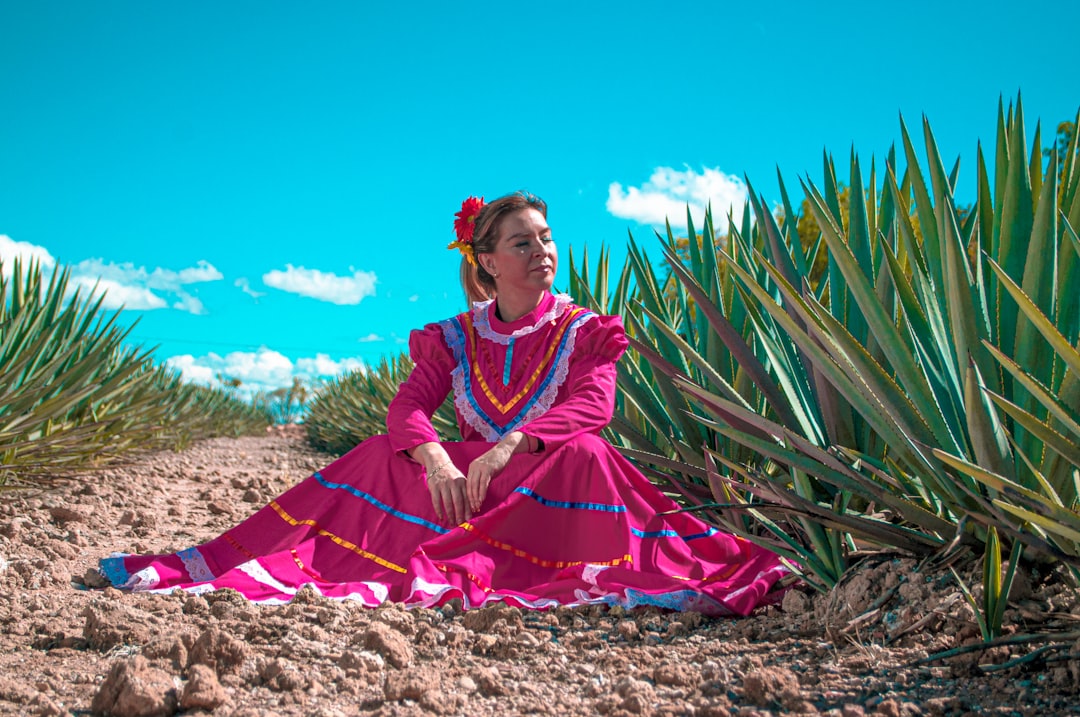
In a strip mall storefront between a taqueria and a dental office, Rhythmic Roots Studio operates with a mission that predates the current market emphasis on "diversity" as branding. Founder Dolores Mercado, 67, established the studio in 1994 after finding no local venues teaching the Mexican folklórico traditions she had performed since childhood in Guadalajara. Three decades later, the curriculum encompasses Philippine tinikling, West African sabar, Indian Bharatanatyam, and Hawaiian hula, each taught by instructors with direct cultural lineage to the forms.
"I don't believe in 'world dance' as a grab bag," Mercado states. "Each class here is rooted in specific people, specific histories. Our sabar instructor, Aminata Diouf, studied for fifteen years in Dakar before immigrating. Our Bharatanatyam teacher, Priya Venkatesh, trained in Chennai. Students aren't borrowing costumes. They're being invited into living traditions."
The studio's 85 students range from elementary schoolers to retirees, with particular strength in adult beginners seeking connection to ancestral practices. Performance programming emphasizes community context over competition: annual showcases at San Lorenzo's Puerto Rican Cultural Festival, collaborative presentations with Oakland's Filipino Community Center, and posadas performances during December holidays. Sliding-scale tuition, capped at $140 monthly, keeps access broad; no student has been turned away for inability to pay,