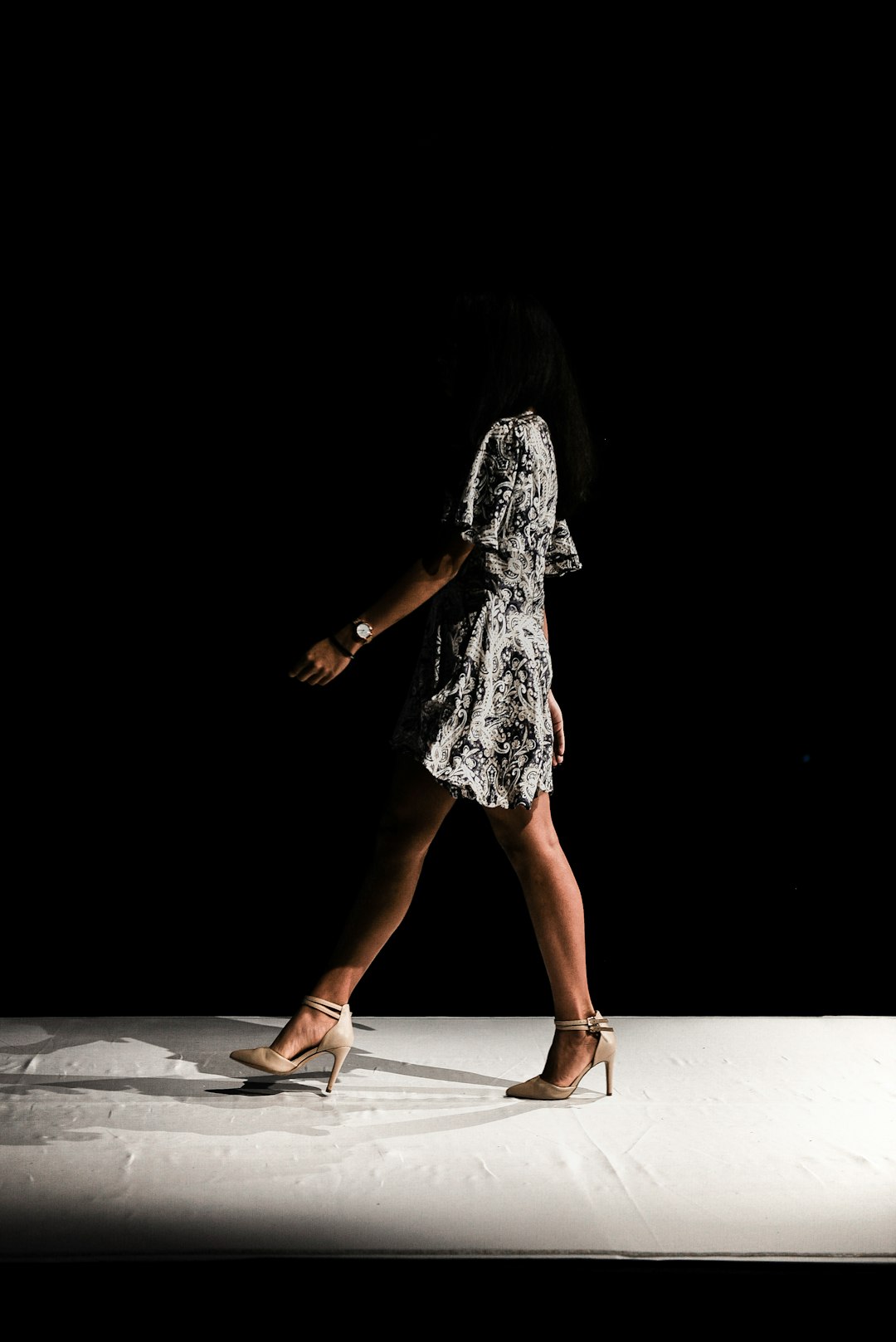
At 6:15 AM on a Saturday, the parking lot at Dance Theatre of Middletown is already half full. Inside, the sound of a live pianist warming up drifts through the hall as teenage dancers tape their pointe shoes, preparing for a three-hour technique class. Thirty miles from the Hudson Valley's Metro-North corridor, this scene repeats across three distinct studios—each cultivating professional-track dancers without Manhattan's tuition premiums or competitive frenzy.
The Schools: Three Philosophies, One Goal
Middletown Ballet Academy: The Classical Pipeline
Director Elena Vostrikov established her academy in 2007 after defecting from the Bolshoi Ballet's touring ensemble. Her syllabus follows the Vaganova method with unwavering fidelity: annual examinations conducted by visiting judges from the American Ballet Theatre's National Training Curriculum, mandatory character dance for all levels, and a prohibition on pointe work before age twelve regardless of technical readiness.
The results surface in acceptances. In 2023, three Vostrikov students received scholarships to the School of American Ballet's summer intensive; one, 16-year-old Marcus Chen, begins full-time residence there this fall. "Elena broke my bad habits before they became injuries," Chen notes. "She saw that my turnout came from my knees, not my hips, and rebuilt my placement from scratch."
The academy operates from a converted textile mill on North Street, its Studio A featuring original maple flooring installed in 1923 and restored with professional-grade sprung subflooring. Classes run six days weekly; adult beginners meet Tuesday evenings in a separate track that shares the facility but not the pre-professional curriculum.
Dance Theatre of Middletown: Innovation Within Tradition
Where Vostrikov preserves, artistic director Amara Okafor experiments. A former member of Dance Theatre of Harlem and Complexions Contemporary Ballet, Okafor requires her advanced students to choreograph one original work annually for peer critique. "Ballet technique is the language," she explains. "I'm teaching them to write poetry, not recite it."
Her 2024 spring showcase illustrated this philosophy: a neoclassical Paquita variation shared the program with a site-specific piece performed in the studio's loading dock, incorporating industrial fans and recorded freight-train sounds. The school maintains partnerships with three physical therapy clinics; every student receives complimentary injury screening twice yearly.
Enrollment caps at fourteen per class—unusual for a market where studios often maximize revenue through crowding. Okafor's summer intensive, limited to forty students, has hosted guest faculty including Clifton Brown (formerly Paul Taylor Dance Company) and Gabrielle Lamb (Ballet Memphis, currently Pigeonwing Dance).
City Centre Dance Studio: Discipline as Foundation
Founder Robert Tanaka, a former soloist with National Ballet of Canada, built his program around a single principle: "Technique is freedom, not constraint." His 7:00 AM Saturday advanced class—mandatory for all competition-track students—begins with ninety minutes of barre before center work commences.
The studio's distinguishing feature is its repertory approach. Rather than preparing variations for youth competitions, Tanaka's students learn complete one-act ballets. Their 2023 production of La Fille Mal Gardée featured full scenery constructed by parent volunteers and a live orchestra drawn from the Hudson Valley Philharmonic's freelance roster.
Tanaka accepts students by audition only after age ten; younger children are directed to affiliated recreational programs. Current enrollment includes four dancers commuting from Pennsylvania and New Jersey, drawn by tuition rates approximately 40% below comparable Manhattan training.
The Companies: Performance Beyond the Classroom
Middletown Ballet Company: Energy and Access
Established in 2015 as a vehicle for advanced students and regional professionals, this ensemble operates without permanent roster—casting project-by-project from an audition pool of approximately sixty dancers. Their signature innovation is pricing: no ticket exceeds $25, and student rush seats are distributed by lottery two hours before curtain.
Artistic director Sarah Kim, a former Miami City Ballet corps member, programs aggressively for accessibility. Her 2024 season pairs Balanchine's Tarantella with a world premiere by emerging choreographer Jordan Demetrius Lloyd, set to music by local composer Thomas Duffy. Performances occur at the Paramount Theatre, a 1,100-seat 1930 movie palace restored in 2015.
Hudson Valley Ballet: Narrative Ambition
This Goshen-based company maintains a Middletown rehearsal studio and draws heavily from the city's training programs. Under founding director Kathleen Rathbun, the company has developed a reputation for full-length story ballets with original librettos—2023's The Legend of Sleepy Hollow featured choreography by guest artist Donald Byrd and designs by Broadway scenic consultant Diggle.
Rathbun's casting practices merit attention: principal roles rotate between performances, ensuring that multiple dancers develop leading










