The Night Everything Changed
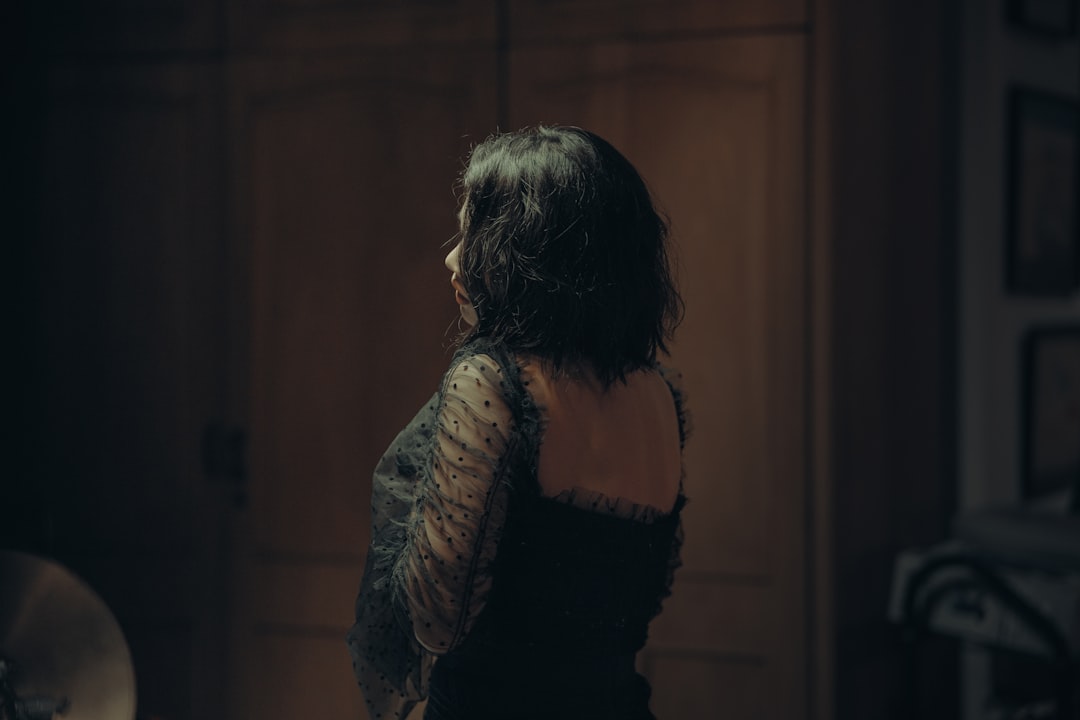
Maria couldn't feel her feet. She'd been dancing for six hours straight at a salsa congress in Miami, and her heels were screaming. But when the DJ dropped that Marc Anthony track, none of it mattered. She grabbed her partner's hand, and they moved like they'd been dancing together for years—which, it turned out, they had.
That's when she realized: this wasn't just a hobby anymore. She wanted this life.
Sound familiar? Maybe you've had your own "Maria moment"—that electric feeling when the music takes over and you think, "I could do this forever." But turning that spark into an actual career? That's where most people get lost.
The Hard Truth About "Natural Talent"
Here's what dance instructors won't tell you: the dancers you admire on Instagram didn't get there because they were born with rhythm. They got there because they practiced basic steps until their muscle memory took over.
Salsa champion Emily Alabi once admitted she still does her basic steps every single day. Not fancy turns. Not dramatic dips. Just the basics. Why? Because everything builds on that foundation. Your posture, your weight transfer, your connection to the music—it all comes back to those first moves you learned in beginner class.
So before you stress about looking "professional," master your 1-2-3 pause. The fancy stuff will follow.
Stop Watching, Start Living
You know those dancers who just feel the music differently? They're not thinking about their next move. They're inside the song.
That comes from understanding where salsa came from. It's not just a workout set to music—it's Afro-Cuban rhythms mixed with Puerto Rican passion and New York City innovation. When you know that the clave rhythm drives every salsa song, you stop counting steps and start riding the wave.
Listen to Celia Cruz while you cook breakfast. Watch old clips of Eddie Torres explaining timing. Go to that Latin music festival even if you don't dance yet. Absorb it until the music feels like your heartbeat.
Your Practice Partner is Your Secret Weapon
Dancing alone in front of a mirror has its place. But real progress happens when you're in someone else's arms.
Find a practice partner who's as committed as you are. Maybe it's the person you keep ending up with at socials, or someone from your class who wants to improve as badly as you do. Schedule regular sessions. Video each other. Give honest feedback. Cry together when a move just won't click, then celebrate when it finally does.
The best dancers aren't solo artists—they're collaborators who've logged hundreds of hours learning to read another body.
When Your Body Says No
Let's be real: Latin dance destroys your feet. Your knees. Your lower back. You'll hit points where your body feels like it's staging a revolt.
This is where careers end or begin. The dancers who last are the ones who cross-train. Yoga for flexibility. Strength training for those endless turns. Rest days that are non-negotiable. And yes, sometimes that means sitting out a social when your body needs recovery, even when your favorite DJ is playing.
Your body is your instrument. Treat it like one.
The Money Conversation Nobody Wants to Have
Here's the uncomfortable part: passion doesn't pay rent.
Turning pro means thinking about income streams. Teaching classes. Performing at events. Maybe judging competitions down the line. Some dancers supplement with related work—DJing at salsa nights, organizing workshops, even selling dance shoes and apparel.
The dancers who build sustainable careers? They're not just artists. They're entrepreneurs who happen to dance.
Your First Performance Will Haunt You
In a good way. Maybe.
That first time you step onto a stage, your hands will shake. You might forget a step. The lights will be brighter than you expected, and suddenly that move you nailed in practice feels impossible.
Do it anyway.
Every professional dancer has a horror story about their debut. The costume malfunction. The forgotten routine. The partner who went left when you went right. These moments don't break you—they become the stories you tell at congress after-parties, the experiences that make you unshakeable.
The Community is Your Net
The Latin dance world is surprisingly small. That instructor you take a workshop from might recommend you for a performance gig. The dancer you befriend at a social might invite you to join their company. The organizer you help at an event might remember you when they need someone reliable.
Show up. Be kind. Support other dancers. The opportunities that build careers rarely come from job postings—they come from relationships.
Your Style is Already There
Here's the thing about developing a "unique style": you already have one. It's in the way you naturally move to the music, the gestures that feel right versus the ones you force, the moments when you forget you're being watched.
Don't chase someone else's aesthetic. Refine what's already yours. Maybe your arms naturally flow more dramatically. Maybe your footwork has a subtle staccato quality. Notice what feels authentic and lean into it.
The dancers who stand out aren't imitating—they're expressing.
The Infinite Game
There's no finish line where you suddenly become a "real" dancer. No certification that makes you professional. No point where you've learned everything.
The dancers who build lasting careers understand this is an infinite game. They take workshops from instructors half their age. They learn new styles that challenge their muscle memory. They stay curious about the evolving culture of Latin dance.
That openness isn't weakness—it's how you stay relevant in a community that's always changing.
---
So yes, put on those dancing shoes. Feel the music. Let yourself fall in love with the art form. But remember: the difference between a dancer and a professional isn't talent. It's showing up for the boring days, the painful days, the days when you'd rather do anything else.
Those are the days that count.