Walk into any Irish dance studio before class starts, and you'll catch a certain kind of chaos. Kids lacing up elaborate ribbon ties, parents wrestling with costume bags, and somewhere in the corner, a teenager softly cursing at stubborn hard shoe buckles. The music hasn't even started yet, but the energy is already electric. That's the moment you want — that buzz of being surrounded by people who love this quirky, stomping, wildly athletic art form. That's where you're about to step in.
Here's the thing nobody warns you about: Irish dance is harder than it looks. Those elegant, almost Floating movements across the floor? There's weeks of learning to lock your ankles, point your toes so sharp they could Pierce glass, and keep your arms glued to your sides like you're holding a dollar bill under each elbow. The grace makes it look effortless. It's not. But that difficulty is part of the addiction — once your muscles figure out what your brain is asking, something clicks. And then you want more.
Your first real decision is finding the right teacher. Not every dance school fits every dancer. Look for one affiliated with An Coimisiún le Rincí Gaelacha (CLRG) — that's the governing body that runs everything from local competitions to the World Championship. More importantly, watch how the instructor handles a room full of seven-year-olds. Do they correct kindly? Do they insist on proper posture from day one, or let things slide? A good teacher will push you without breaking you, and that's the balance you need when you're building new muscle patterns. Sit in on a few classes, chat with current students, and trust your gut. You'll know when you find the right fit.
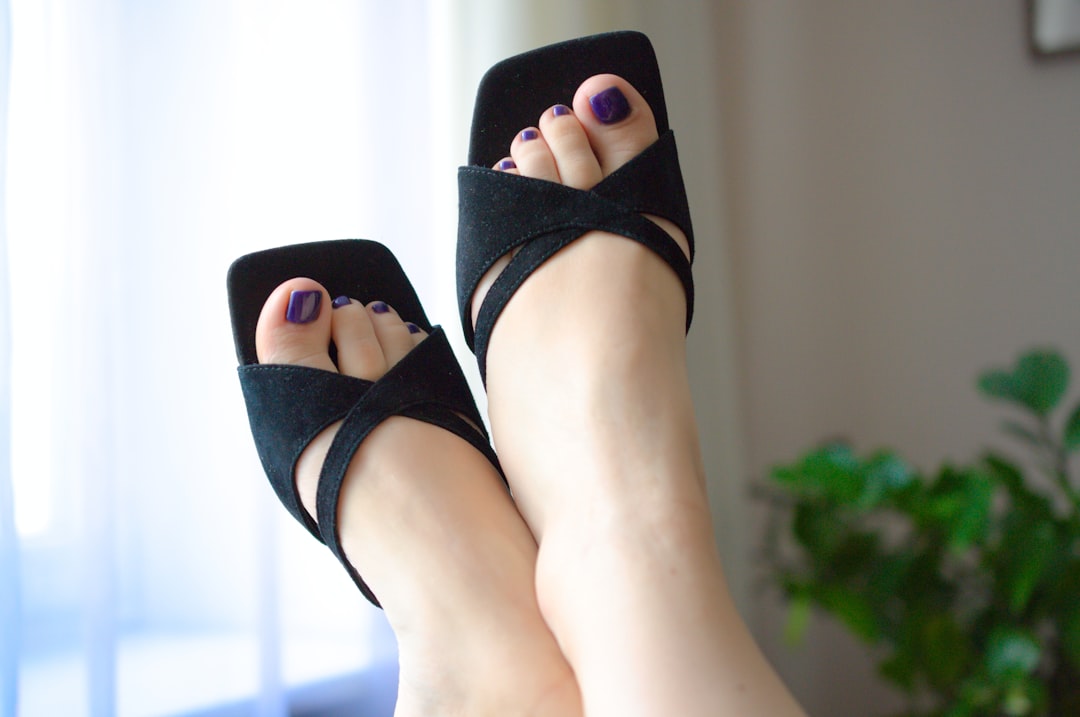
Now, gear up. This part actually matters more than beginners expect. You'll start in soft shoes (called ghillies) — light, flexible, breathable things that let your feet work the floor without resistance. They feel like wearing clouds. You'll probably complain when you eventually upgrade to hard shoes because they're louder, stiffer, and take forever to break in. But here's the secret: hard shoes are where the fun lives. That sharp tap, the stomp, the way you can literally make rhythms with your feet — it's why most dancers stick with this for years. Your school will have a dress code (specific colors, maybe a particular style of dress or kilt), so hold off on buying anything until you've talked to your instructor.
The basics will feel embarrassing at first. Learning to jig, reel, and hornpipe means your brain and your feet aren't speaking the same language yet. You'll step on your own skirt. You'll miss counts. You'll look at everyone else and wonder why this seems so easy for them. Here's what I'd tell my past self: everyone feels that way. The dancer beside you with the perfect technique started exactly where you are. Posture, foot placement, timing — these are skills built through repetition, thousands of repetitions. Your muscles need time to learn. Be patient with the process.
One of the most underrated parts of Irish dance is the culture buried underneath it. You're not just learning steps — you're stepping into centuries of history, music that predates recorded sound, traditions that survived famine and emigration to end up in your local studio on a Tuesday night. Go to a live performance when you can. Put on traditional sessions in the background. Learn a few words in Irish (even just "sláinte" — pronounced "slan-cha" — which means "health" and is what you say when clinking glasses). The more you understand why this dance exists, the more it'll mean something when you do it.
Goals keep you honest. Maybe you want to perform in a recital, compete at a feis (that's the Irish word for competition, pronounced "fesh"), or just make it through a full song without stopping. Doesn't matter what the goal is — matters that you have one, and that you break it into chunks small enough to actually track. Missed a step in practice today? That's data. Figured out a better way to turn? That's progress. Celebrate the tiny wins, because they add up.
Here's the best part nobody talks about enough: this community is genuinely welcoming. Competitive by nature, sure — but also warm, inclusive, and weirdly eager to help newcomers. Other dancers will tell you where to buy cheaper costumes, which comps are beginner-friendly, and which teachers give the best feedback. Find your people. Stick with them.
So what's actually holding you back? If you've been curious, that's enough. Lace up those soft shoes, show up to your first class, and stumble through a few counts. The magic of Irish dance isn't in getting it right — it's in the moment you realize you're actually doing it.
Now get out there and embarrass yourself a little. Your future self will thank you.