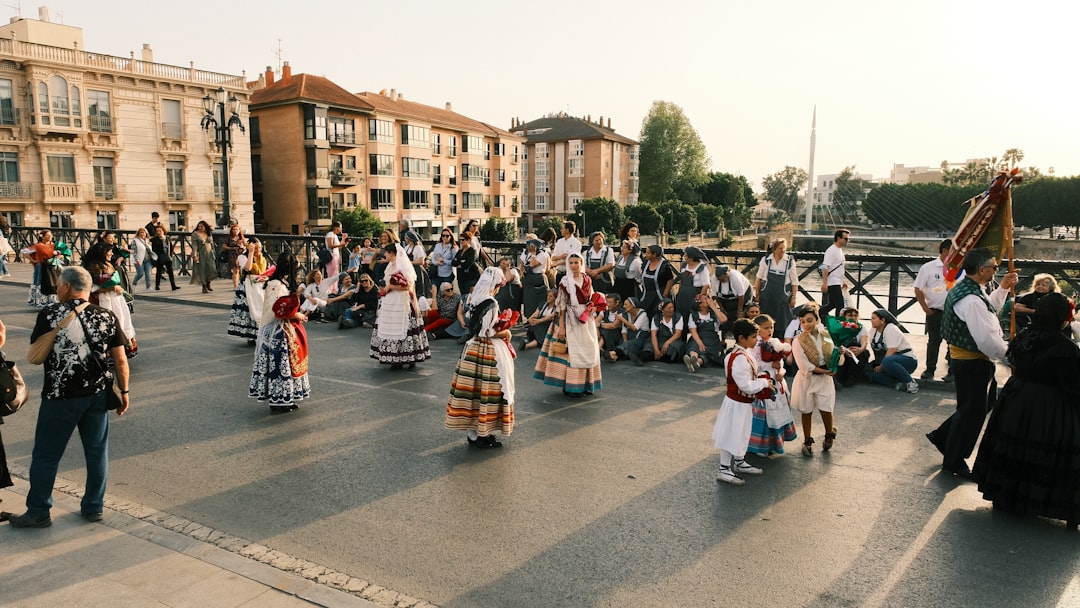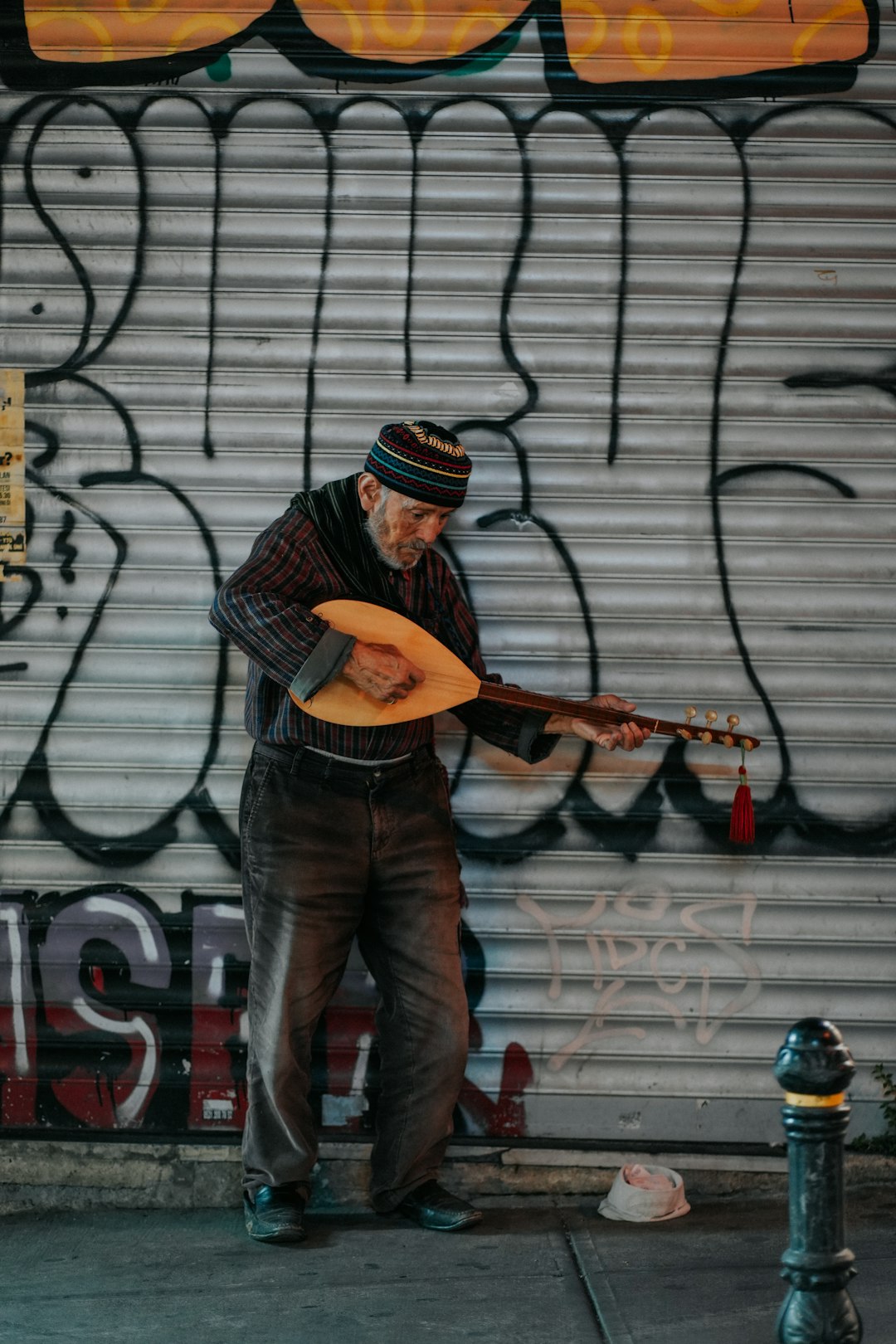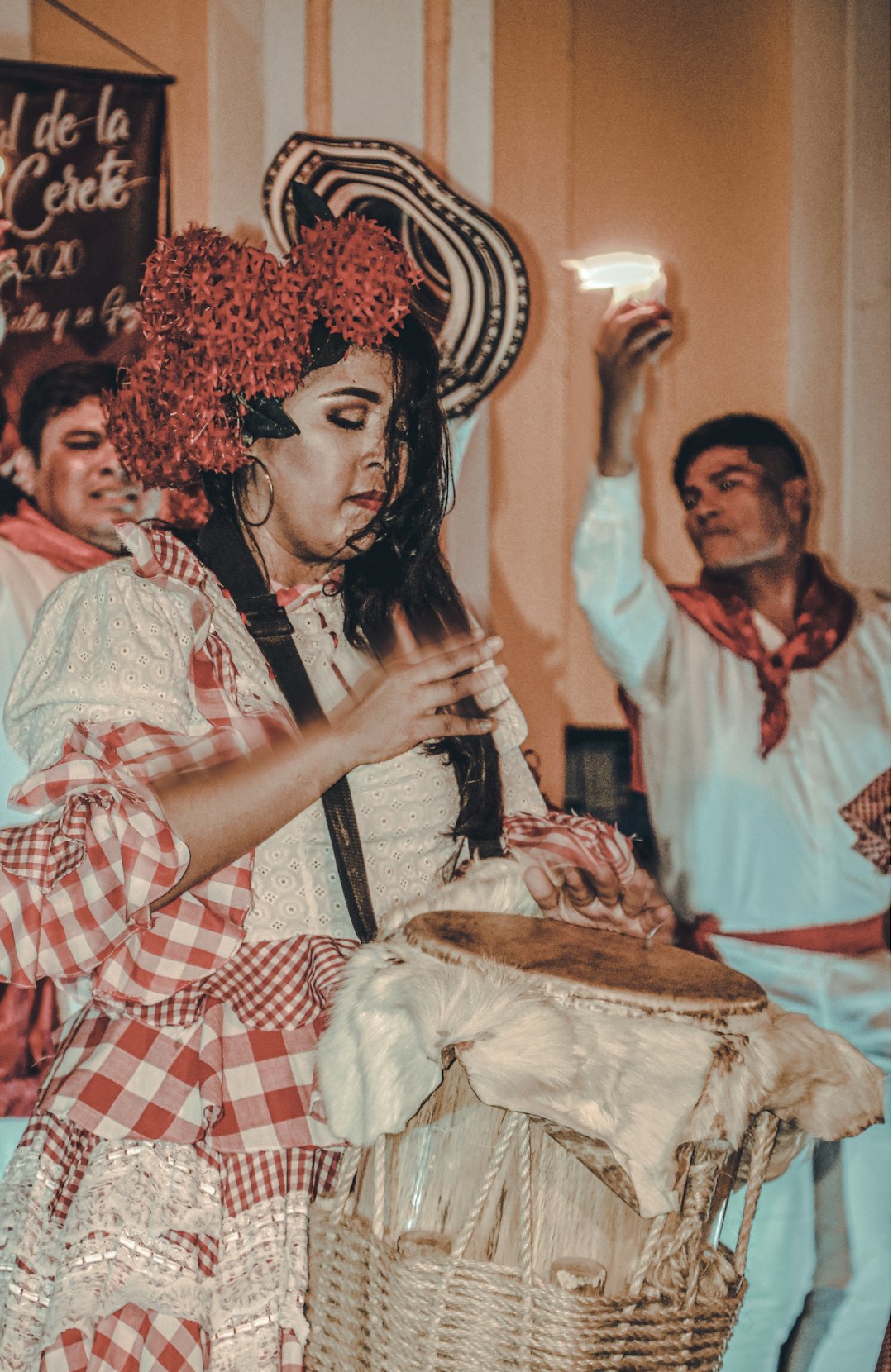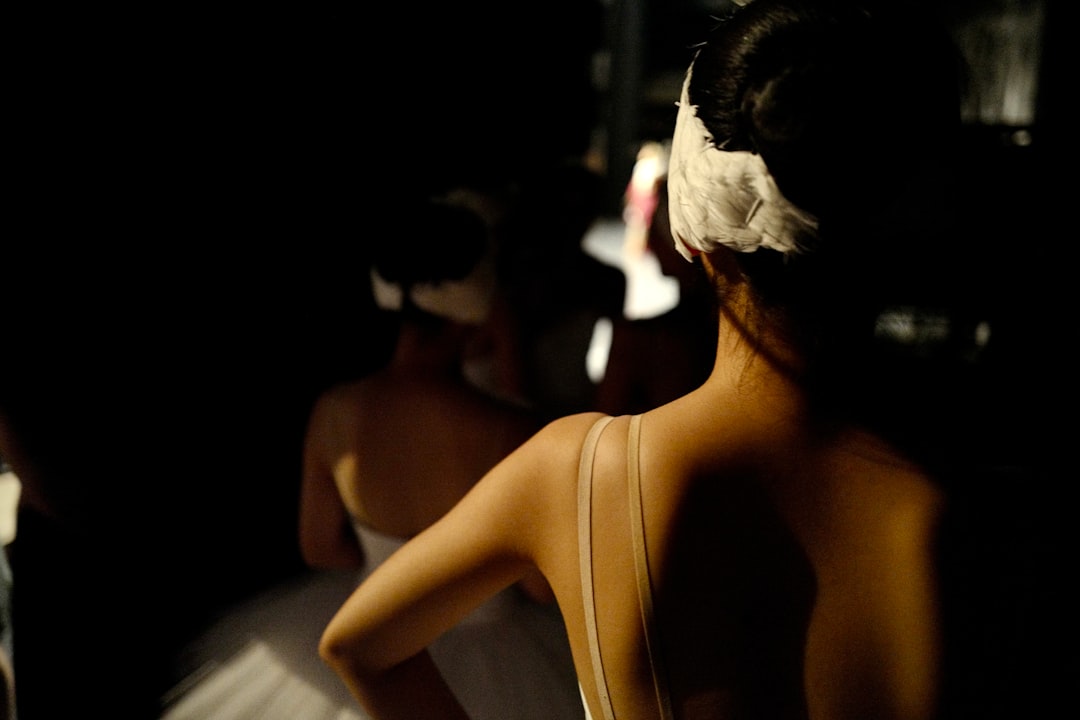
The first time you nail a swingout, you feel it in your feet before your brain registers success—the controlled slide of leather on hardwood, the precise grip that lets you redirect momentum. Your shoes aren't accessories; they're instruments. This guide explains how to choose vintage-inspired footwear that honors swing's aesthetic heritage without sacrificing the biomechanics that keep you dancing past midnight.
Why Your Shoes Matter More Than You Think
In swing dance, your connection to the floor determines everything: your balance, your momentum, your ability to communicate clearly with a partner. The right pair doesn't just complete your outfit—it becomes an extension of your body, translating intention into movement.
Vintage-inspired shoes offer something modern athletic footwear cannot: a sensory dialogue with history. The creak of properly tanned leather, the particular resistance of a hard sole against lacquered wood, the visual harmony when your footwear matches the era of the music playing—these elements transform social dancing into something approaching time travel. But authenticity without function is costume, not craft. The best vintage-inspired shoes manage both.
Matching Shoes to Your Swing Style
Different swing dances place different demands on your feet. What works for the close embrace of Balboa may fail entirely during the airborne athleticism of Lindy Hop.
Lindy Hop and Charleston
These high-energy styles demand shoes that can absorb impact and provide lateral stability. Look for:
- Cushioned insoles or removable footbeds you can upgrade
- Ankle support through laced construction or strategic strapping
- Soles that balance slide and grip—chrome leather or hard leather for polished floors, suede for sticky surfaces
- Heel height of 1"–1.5" for leads; follows may prefer 1.5"–2.5" for aesthetic lines and forward posture
Recommended styles: Classic Oxfords, heeled spectators, reproduction 1940s service shoes
Balboa and Collegiate Shag
These faster, closer styles prioritize floor connection and precise footwork over aerials.
- Thin, flexible soles for enhanced proprioception
- Minimal heel (under 1") or flat construction
- Secure fit without excess material that could catch on a partner's shoe
Recommended styles: T-straps, low-heeled Mary Janes, 1930s-style spectators
West Coast Swing
This smoother, more contemporary style accommodates greater heel height and fashion flexibility.
- Suede soles preferred for the controlled slides characteristic of the dance
- Higher heels acceptable (2"–3") for follows
- Modern construction often blends better here—don't sacrifice arch support for period accuracy
Recommended styles: Modern T-straps, heeled Oxfords with updated insoles
Understanding Sole Materials
The material between you and the floor determines your dance more than any other feature.
| Material | Best For | Characteristics | Maintenance |
|---|---|---|---|
| Chrome leather (hard leather) | Polished hardwood floors | Fast, controlled slides; audible footwork; develops character with wear | Brush occasionally; condition to prevent cracking |
| Suede | Sticky floors, outdoor dancing, beginners | Forgivable grip; easy pivots; quieter movement | Brush regularly with wire suede brush; replace when bald |
| Rubber | Concrete, outdoor events, practice | Maximum durability and grip; poor for technique development | Wipe clean; avoid for formal dancing |
| Split sole | Ballet-influenced styles, maximum flexibility | Extreme articulation; minimal protection | Replace frequently; not recommended for partner work |
Most experienced swing dancers own multiple pairs for different venues. If you can only buy one, chrome leather offers the most authentic experience and versatile performance.
Construction Details That Actually Matter
The Upper
Genuine leather or suede uppers mold to your feet over time, creating personalized fit that synthetic materials cannot replicate. Full-grain leather resists stretching better than corrected grain, maintaining structural integrity through years of use.
The Last
The shape of the shoe fundamentally affects your dancing. 1940s reproductions typically feature wider toe boxes than modern dress shoes, allowing natural splay during weight shifts. Avoid narrow, pointed lasts that compress your metatarsals.
The Counter
A rigid heel counter—the structured piece cupping your heel—prevents ankle roll during quick direction changes. Test by squeezing the heel area; substantial resistance indicates adequate support.
The Insole
Factory insoles are almost universally inadequate for dancing. Budget for replacement with cushioned, arch-supporting alternatives. Some dancers swear by gel inserts; others prefer leather-covered memory foam. Experiment during practice, not at your first competition.
Where to Shop: A Critical Guide
Established Dance Retailers
Aris Allen and Remix Vintage Shoes have served the swing community for decades, offering