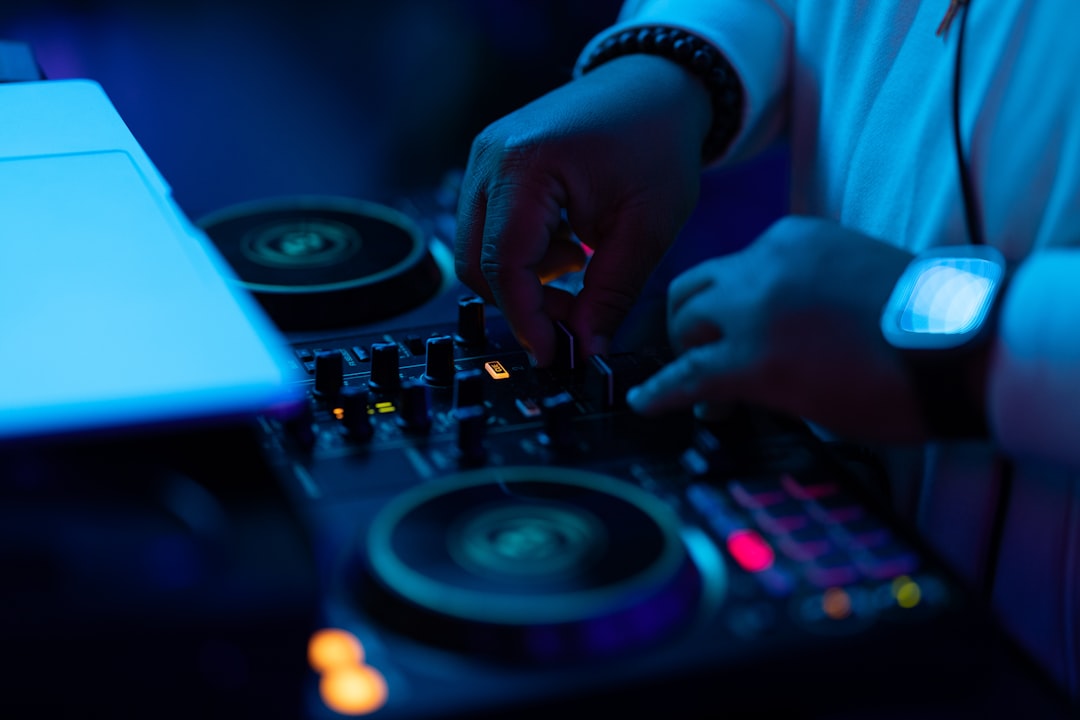
The fiddle cuts through the humid summer air, but the voice coming through the speaker is singing something different. “Allemande left with your corner, now dosado… and drop into a body roll!” At a barn in rural Vermont, the age-old calls of square dance are colliding with the pulse of a DJ’s beat. This isn’t your grandparents’ hoedown—it’s the front line of a quiet revolution, where tradition isn’t just preserved; it’s being joyfully hijacked.
Long before it was a high-school gym class memory, square dancing was the social glue of early America. It was a practical, joyous release, stitched together from English, Scottish, and French court dances that crossed the Atlantic and got a rugged New World makeover. In barns and clearings, a “caller” wouldn’t just shout moves—he’d sing poetic verses, turning instructions into entertainment. The “do-si-do” and “promenade” weren’t just steps; they were a structured excuse to look your neighbor in the eye, to hold a hand, to be part of a living, breathing machine made of people.
For decades, the dance evolved quietly, a steady heartbeat in community halls. Then, in the 20th century, something shifted. Organizations like CALLERLAB stepped in to codify the hundreds of regional calls into a universal language. The goal was preservation, but it created something new: a global square dance diaspora. Suddenly, a club in Tokyo could dance the same sequence as one in Texas. The structure was standardized, but the soul—the communal joy—remained fiercely local.
Walk into a modern square dance today, and you might find anything. In one corner, purists keep the old-time fiddle music alive, their footwork crisp and their calls lyrical. In another, a young caller with a tablet is queuing up a remixed pop anthem. “Heads promenade, get on home, and… hit the woah!” The fusion is deliberate. Clubs are mixing hip-hop, country, and electronica, not to replace tradition, but to build a bridge to it. They’re proving that the “square” can contain multitudes.
And that bridge is going digital. During recent global lockdowns, square dance didn’t stop; it went online. Dancers logged in from living rooms across continents, following calls over Zoom. While you can’t physically swing your partner through a screen, you can practice formations, learn new calls, and maintain the community that is the dance’s lifeblood. Virtual reality platforms are now experimenting with fully immersive square dances, where you can join a “square” with avatars from around the world.
What’s happening isn’t the death of a tradition. It’s its most vigorous proof. The square dance was never about the specific steps; it was about the connection, the spontaneous laughter when someone goes the wrong way, the collective sigh of a perfectly executed sequence. By bending the music, embracing technology, and welcoming new voices into the caller’s box, dancers are honoring the dance’s true core: it has always been about people, finding their place in the pattern, together.
So next time you hear that familiar call—“Circle left!”—listen closer. You might just hear the future, dancing right in time with the past.










