The Moment It All Clicks
You remember your first salsa class. You were probably counting "one-two-three... five-six-seven" under your breath, terrified of stepping on your partner's feet, your brain short-circuiting from trying to remember the basic turn pattern. Every dancer has been there. But somewhere between the rigid steps and the chaotic social dance floor, a shift happens. You stop thinking about the numbers and start feeling the conversation in the music. That’s the first spark of moving from someone who does salsa to someone who lives it.
Beyond the Footwork Factory
Most dance journeys start with mechanics. You drill the cross-body lead until it's muscle memory. You learn a dozen turn patterns. You might even nail a flashy dip. But executing moves is like reciting words from a phrasebook—you can ask where the bathroom is, but you can’t compose a poem. The real work begins when you deconstruct those patterns. Why does that particular move feel so good with this musical break? How does changing your connection transform a basic step into something electric? The amateur collects moves; the artist understands their DNA.
Your Body Has a Voice—Let It Speak
Styling isn’t about adding random flourishes. It’s the punctuation in your dance sentence. That shoulder shimmy isn’t just decoration; it’s the physical echo of the conga’s shimmer. The deliberate pause isn’t a mistake; it’s a comma, holding the tension before the resolution. Developing this personal voice means spending time alone with the music—listening not just to the melody, but to each instrument’s story. It means being brave enough to look a little silly in the mirror until your movement feels authentic, not imitative.
The Unseen Engine: Musicality
You can have the cleanest technique in the room, but if you’re dancing on top of the music instead of from within it, the performance feels hollow. True artistry lies in catching the subtle call-and-response between the piano and the bass, in letting your energy swell with the crescendo of the horn section. It’s the difference between walking through a landscape and having the wind move through you. This deep listening is what makes two dancers performing the same routine look worlds apart—one is checking boxes, the other is channeling a feeling.
It’s Not a Solo, It’s a Dialogue
Here’s a secret: the most breathtaking moments in salsa aren’t about complex aerials. They’re about the silent, electric conversation between partners. It’s in the micro-adjustment of a hand that says, "I’ve got you," the shared breath before a dynamic turn, the playful energy that passes back and forth without a word. This connection is a skill more vital than any turn pattern. It turns a sequence of moves into a shared, unrepeatable experience—not just for you, but for anyone watching.
From the Studio to the Stage (and Back Again)
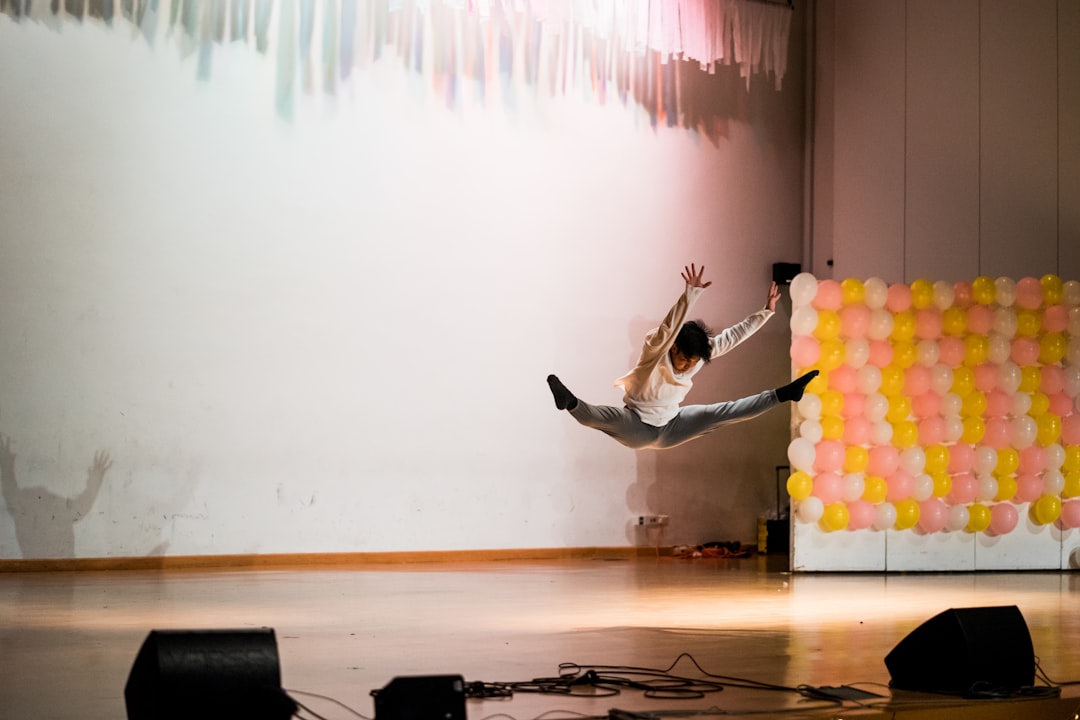
Performing amplifies everything. The lights, the costumes, the audience’s gaze—it can either freeze you or liberate you. The amateur fears a mistake. The artist knows a "mistake" can become a moment of genuine, human connection if you wear it with confidence. The stage teaches you about projection, stamina, and storytelling on a grander scale. But the true artist never leaves the social dance floor behind. That’s the laboratory where you experiment, connect with the community, and remember the pure joy that started it all.
The journey doesn’t end when you get a teaching gig or win a competition. It’s a lifelong path of deeper listening, braver expression, and more honest connection. So the next time you dance, ask yourself: are you just executing steps, or are you ready to say something?