The Moves That Separate Tourists From the Culture
You've seen it at every showcase. Some dancer finishes their set, the crowd goes mild, and they walk off thinking they crushed it. Meanwhile, the old heads in the back are exchanging looks. The difference? Usually, it's not talent—it's that nobody taught them which moves actually matter.
I've been in rooms where a sixteen-year-old with zero formal training shut the whole cypher down because they understood something simple: advanced hip hop isn't about complexity. It's about control, timing, and knowing which weapons to pull out when the pressure's on.
The Air Pose: Make Time Stop
There's that split second after you launch off the floor where physics forgets about you. The Air Pose lives right there.
You're not just jumping. You're twisting, extending opposite limbs, and freezing the frame like a camera caught you mid-explosion. The landing? That's secondary. What matters is the hang time, the impossible geometry your body creates while everyone's brain is still processing what they saw.
It murders your core. You'll suck at it for weeks. Then one day in practice, you'll stick it, and your reflection in the studio mirror won't look like you anymore—it'll look like someone who defies gravity for fun.
The Glide: Cheating Without Getting Caught
Michael Jackson didn't invent it, but he definitely made it famous. The Glide is essentially a magic trick. Your feet never leave the floor, yet you drift across it like you're being pulled on a conveyor belt nobody else can see.
The secret's boring: weight shifts, knee bends, and relentless practice in front of a mirror until your legs scream. But the effect? Pure sorcery. When it's clean, audiences don't applaud—they just stare, trying to figure out where the wires are.
I once watched a b-boy glide the entire length of a basketball court during a halftime show. Nobody cheered until he stopped. They were too busy questioning reality.
The Headspin: Earn Your Stripes
Yeah, it hurts. Yeah, your neck will hate you for months. The Headspin isn't a move you learn—it's a move you earn.
You start on your dome, hands planted for stability, core locked tight. Then your legs become a propeller. The first time you get three rotations without collapsing into a heap, you'll feel something shift. Not just physically. There's a rite-of-passage quality to it that no tutorial can replicate.
Wear a helmet when you train. Your future self will thank you when you're thirty and still able to look both ways before crossing the street.
The Windmill: Controlled Chaos
Everyone tries the Windmill too early. They kick their legs over, face-plant, and swear the move's impossible. What they missed: it's not a kick. It's a swing, and your shoulders are doing half the work.
You roll from a handstand through your back, legs scissoring overhead in a circle that never quite stops. When it flows, you look like a human pinwheel that decided gravity was optional. When it doesn't, you look like laundry in a dryer. There's no in-between.
The bruises on your hips become a weird badge of honor. Show them to any b-boy and they'll nod. They know exactly which move you're grinding through.
The Jackhammer: Feet That Speak
Some dancers treat their feet like an afterthought. The Jackhammer punishes that attitude.
Standing shoulder-width, you alternate heel-toe so fast it blurs into a single rattling rhythm. It looks like your feet are having a conversation the rest of your body isn't invited to. Done right, it adds percussive punctuation to your set—like a drummer dropping a fill that makes everyone lose their minds.
It'll torch your calves. You'll walk funny tomorrow. But drop it at the right moment in a battle and the crowd noise changes pitch. Guaranteed.
Tutting: Geometry With Soul
Tutting gets dismissed as "just hand movements" by people who've never tried it. Those same people look like they're doing drunk shadow puppets when they attempt it.
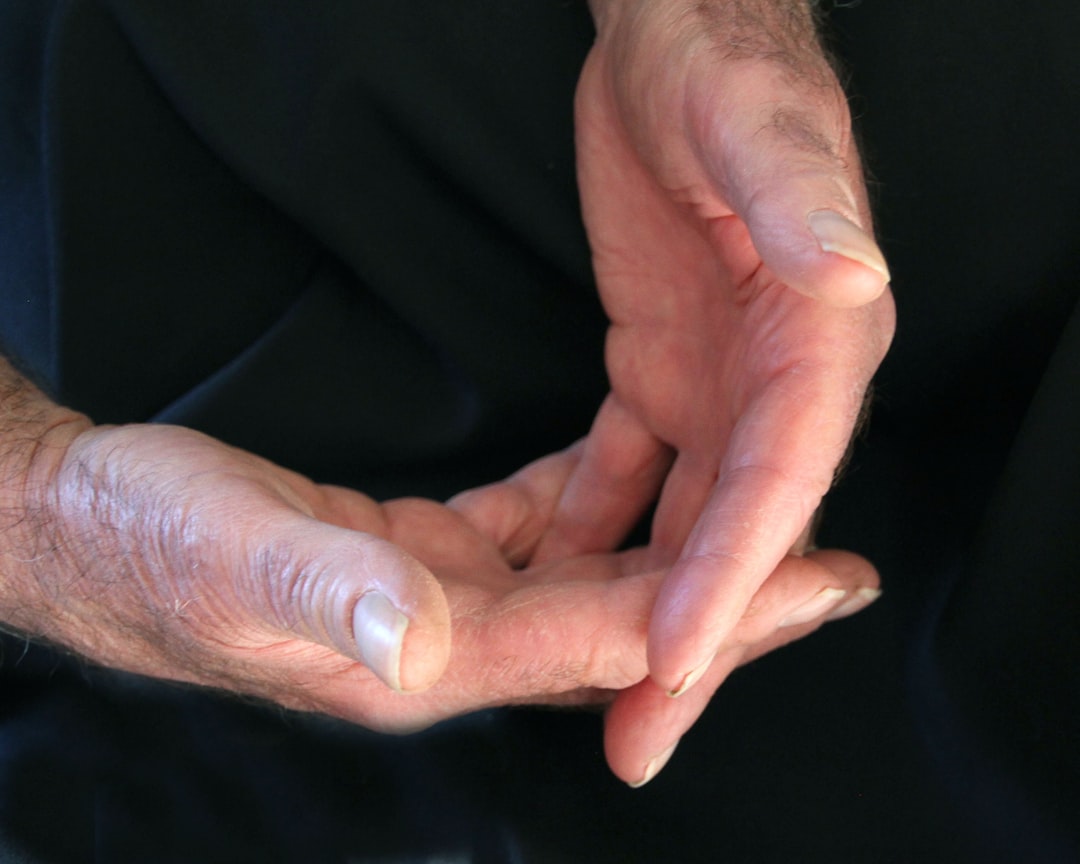
This is decoupage meets human body. Squares, triangles, sharp lines—all formed with such precision that your fingers look like they're clicking into invisible grids. The best tutters don't just hit shapes; they flow between them so smoothly that your eyes can't track the transitions.
It comes from Egyptian hieroglyphics and art deco styling, but in a dark club with the right lighting, it feels futuristic. Alien, almost. Practice in front of a window reflection until your wrists feel like they've been through a filing cabinet. That's when you'll know you're getting close.
The Real Secret Nobody Lists
Every single one of these moves will betray you if you treat them like checkboxes. The dancers you actually remember aren't the ones who can do all six. They're the ones who picked two, maybe three, and wore them down to the bone until the move became theirs.
So pick the one that terrifies you most. The one that looks impossible when you watch videos at 0.25 speed. Let it frustrate you. Let it embarrass you in practice. Then keep showing up anyway.
Because the boundary you're trying to break? It was never between you and other dancers. It's between who you are on the floor right now and who you're capable of becoming.