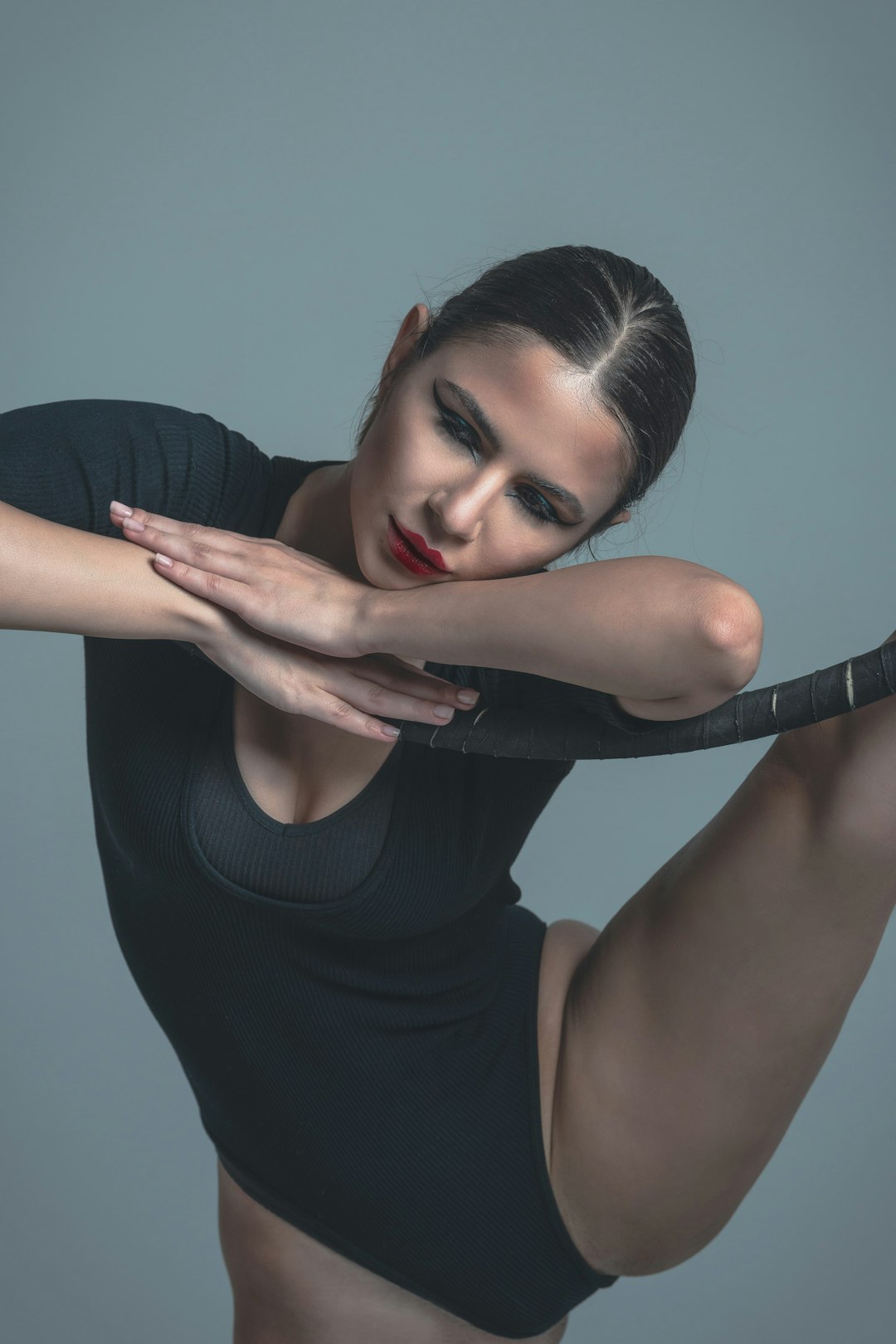
Last winter, my flamenco practice had all the fire of a damp matchstick. I'd spent forty minutes shuffling through Spotify's "Flamenco Chill" and "Spanish Guitar Dinner Party"—music so polite it felt like it should come with a napkin. My feet weren't moving; they were apologizing. Then my teacher walked in, yanked the aux cord, and said something that's stuck with me ever since: "If the music doesn't scare you a little, you're not dancing flamenco. You're doing aerobics in a ruffled skirt."
She was right. Flamenco isn't background noise. It's a conversation between the dancer, the musician, and whatever raw nerve the cantaor happens to hit that day. The right track doesn't just keep time; it picks a fight with your comfort zone.
So I burned that playlist. Here are five tracks that rebuilt my practice from the ground up.
The One That Teaches You to Breathe
Vicente Amigo's "Tres Notas Para Decir Te Quiero" sneaks up on you. It starts so quietly you can hear your own pulse. Three notes. That's it. Then the build—layer upon layer of guitar that somehow sounds like honey and broken glass at the same time.
I use this for my marking exercises. Not footwork. Just walking through the space, hitting the accents, figuring out where my breath actually goes. Most dancers rush this piece because the temptation to explode into the fast section is brutal. Don't. Let it simmer. If you can mark this cleanly without speeding up, your musicality changes overnight.
The One That Reminds You Flamenco Is Rebellion
Pata Negra's "Blues de la Frontera" shouldn't work. It's flamenco sliding into Mississippi blues like they grew up in the same cracked-earth town. The rhythm is dirty. It leans. It doesn't behave.
The first time I drilled footwork to this track, I tripped over my own metatarsals. The compás shifts just enough to keep you paranoid. But that's the point—flamenco was born in marginal spaces, in the collision of cultures. This track forces you off autopilot. Your llamadas get sharper. Your attitude gets a chip on its shoulder. Dance to this when you're tired of being pretty and you want to feel dangerous.
The One That Makes You Cry in the Mirror (In a Good Way)
Lole y Manuel's "Tu Mirá" is a gut punch wearing a lullaby's clothes. When Lole's voice cracks on the high notes, something in your sternum cracks with it. I save this for the end of my braceo and expression work.
There's a moment about two minutes in where the guitar drops to almost nothing. I used to fill that silence with more arm movement, more drama, more noise. My teacher stopped me: "Stop decorating the emptiness. Just be in it." That silence is where the dance actually lives. Now I run this track when I need to remember that flamenco isn't about impressing anyone. It's about standing in front of a room and refusing to hide.
The One That Forgives Nothing
Estrella Morente's "Volver" hits at a tempo that feels generous until you try to sustain a solid redoble through it. Then you realize the song isn't giving you rest; it's giving you rope.
This is my palmas and escobilla track. The phrasing is so clean you can't fudge a single golpe. Every time I've performed to this, the terror wakes me up better than three espressos. Morente inherited that voice—her father was Enrique Morente, one of the great cantaores—and she uses it like a ruler across the knuckles. Your turns get tighter. Your posture fixes itself. Fear is a great teacher.
The One You Play When You're Alone
Diego El Cigala's take on "Lágrimas Negras" is for the dancers who practice after midnight when the studio is empty and the shame of messing up evaporates with the streetlights. It's a bolero-flamenco hybrid that moves like smoke.
I don't drill technique to this. I improvise. Badly, sometimes. But there's a section where Cigala's voice dips into a bruised baritone and the piano answers him, and my body finds shapes I didn't know I had permission to make. Keep this one private. Let it be messy. Not everything in your practice needs to be Instagram-ready.
Let the Music Win
Here's the thing nobody tells beginner dancers: the music is smarter than you. It knows more about rhythm, about sorrow, about joy than your body has learned yet. Your job isn't to dominate it. Your job is to show up, listen hard, and let it carve you into something honest.
So ditch the dinner-party guitar. Put on something that rattles your ribs. Close the door. And don't come out until your practice clothes are soaked and your compás is singing back.








