That Awful Moment When Your Shoe Gives Up
I still remember watching a krump dancer at a Los Angeles showcase hit the most explosive stomp of the night, only to have his sole peel halfway off his sneaker like a banana. The crowd laughed. He kept going. But his footwork fell apart for the next forty seconds, and you could see the defeat in his shoulders. That split sole cost him the battle, and it could have been avoided with the right pair of kicks.
Krump is not gentle. Your feet are weapons. You are slamming concrete, pivoting on a dime, launching yourself airborne, and landing with the kind of force that would make a podiatrist wince. The shoes you wear are not a fashion statement, they are equipment. Treat them like an afterthought and they will betray you at the worst possible moment.
What Krump Actually Does to Your Feet
Most people see the chest pops and arm swings. They miss the footwork entirely. A single krump session might include hundreds of stomps, rapid heel-toe switches, and sudden directional changes that torque your ankles. You are essentially asking your footwear to absorb repeated small explosions while still letting you glide across the floor.
This means your shoes need to handle compression without turning into pancakes. They need lateral support so your ankle does not roll when you cut hard to the left. They need enough flexibility in the forefoot that you can articulate through your toes, but enough rigidity in the midsole that you are not feeling every crack in the stage. And grip matters more than you think. A slick studio floor or a dusty stage can turn a powerful stance into a humiliating slide.
The Real Options Dancers Swear By
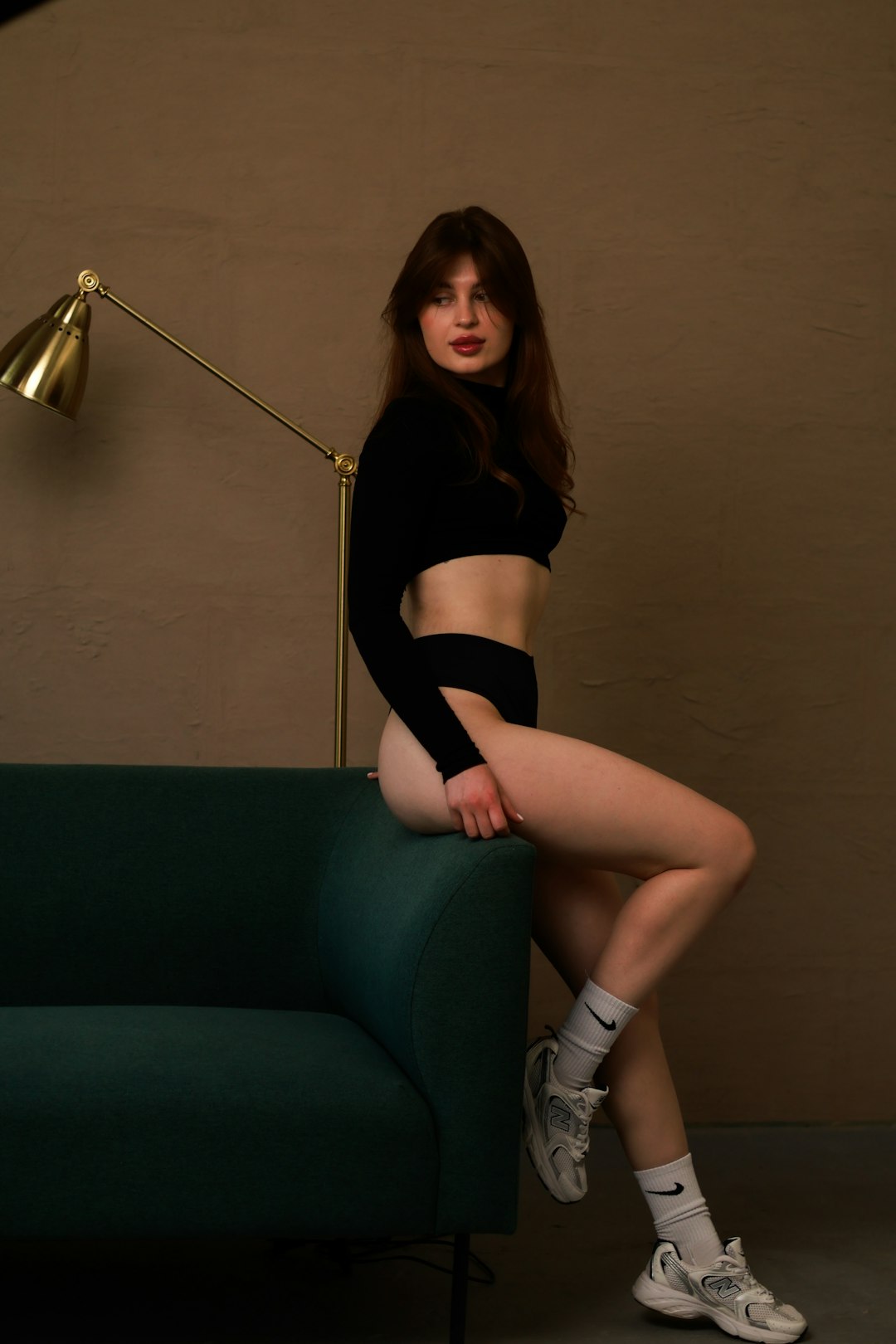
Athletic sneakers are the obvious starting point, but not all runners are built for this. Look for cross-trainers or basketball shoes rather than pure running models. Running shoes are designed for forward motion, not lateral stomping. A Nike Air Max or Adidas Dame line gives you that responsive cushion without the wobble. Just avoid anything with too much plush foam, you want to feel the floor, not sink into it.
Dance sneakers from brands like Bloch or Capezio split the difference beautifully. They are lighter, the soles are designed for pivoting, and they hug your foot in a way that prevents slippage inside the shoe. The downside? They wear down faster on concrete. If you are practicing outdoors on the regular, save these for show day.
Then there is the wild card: combat boots. I used to think this was pure aesthetics until I watched a dancer from Oakland tear up a stage in broken-in Doc Martens. The ankle support is unmatched, the leather molds to your foot over time, and the visual impact is undeniable. They are heavy, they take commitment, and you will need to rehearse in them for weeks before they feel natural. But if you want that raw, street-authentic energy? Nothing else comes close.
Break Them In Before They Break You
New shoes are not your friends yet. I learned this the hard way after a three-hour practice in fresh sneakers left me with blisters the size of quarters. Wear them to walk around first. Do light drills. Let the materials soften and let your feet map the interior. If you are going from practice shoes to performance shoes, give yourself at least two weeks of overlap.
Maintenance is where most dancers slip up. Your shoes are full of sweat and impact dust. Pull the insoles out to air dry. Wipe down rubber soles so they keep their grip. And here is the truth nobody wants to hear: when the cushion is dead, the shoe is dead. You will know because your knees will start to ache after sessions that never used to hurt. That is your body telling you the shock absorption is gone. Replace them. Your joints will thank you.
The Floor Is Yours
The right shoe will not make you a better dancer. Only hours of practice do that. But the wrong shoe will absolutely make you worse. It will steal your power, limit your movement, and eventually put you on the sidelines with an injury. So be picky. Try different styles. Respect what your body is telling you after each session.
When you finally find that pair, the ones that feel like an extension of your own feet, you will know. Your stomps will land harder. Your footwork will sharpen. And when the music hits and the battle starts, the only thing you will be thinking about is the dance, not what is on your feet.