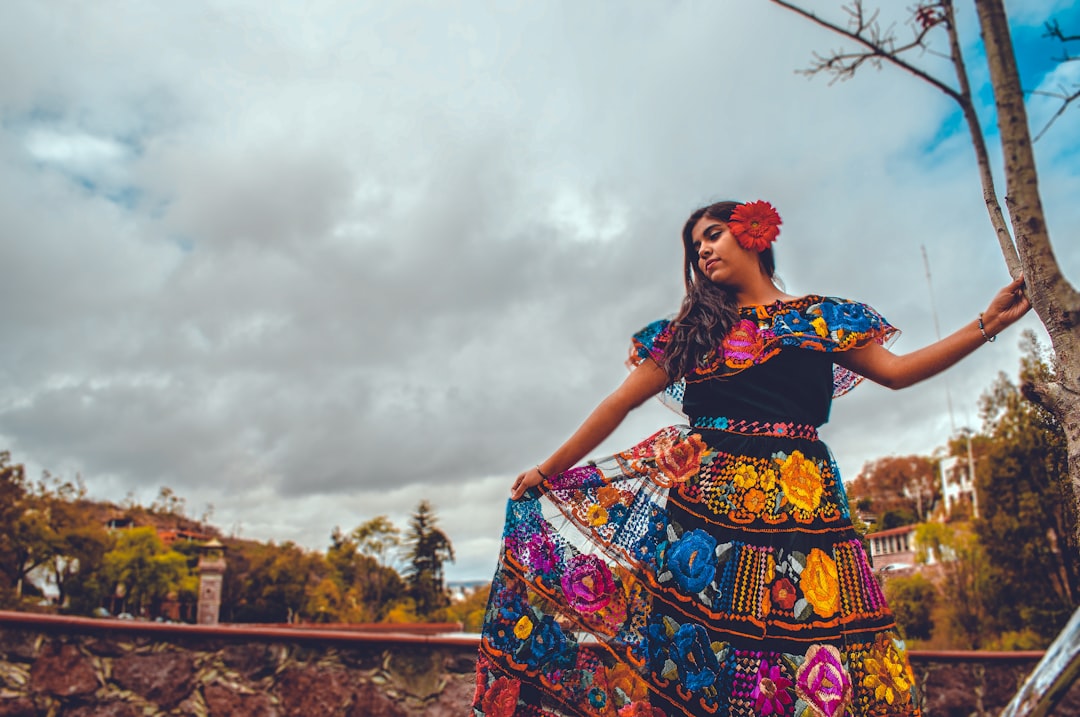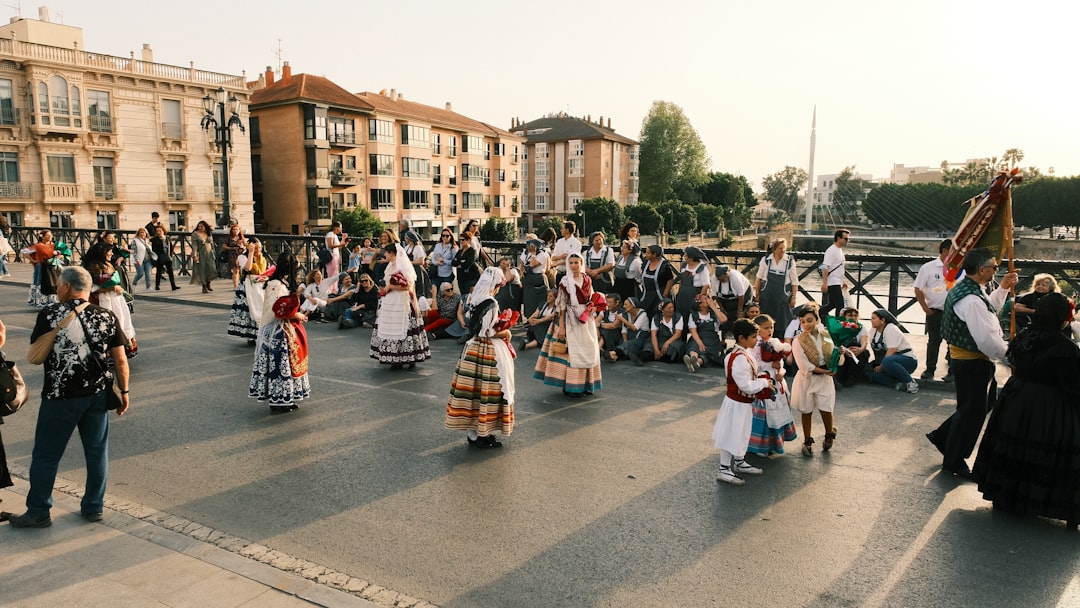
You're three songs into a Lindy Hop social, sweat is starting to show on your cotton button-down, and your rubber-soled sneakers are sticking to the floor on every turn. Meanwhile, the dancer next to you glides through a swingout in vintage-inspired oxfords and a breathable rayon dress, looking like they stepped out of 1939—and feeling like they could dance until 3 AM.
The difference? They dressed for the dance, not just the decade.
Whether you're stepping into your first Charleston class or preparing for a weekend exchange, what you wear shapes everything from your stamina to your confidence to whether partners eagerly accept your next invitation. This guide moves beyond generic advice to give you specific, dance-tested strategies for building a swing wardrobe that works as hard as you do.
Know Your Dance Style (and What It Demands)
Not all swing dances move the same way—and your clothing shouldn't either.
| Style | Movement Profile | Attire Priorities |
|---|---|---|
| Lindy Hop | High energy, rotational, aerials possible | Secure fit, breathable layers, shoes that slide and pivot |
| Balboa | Close embrace, shuffling footwork | Slimmer silhouettes, thin-soled shoes for floor connection |
| Charleston | Kicks, jumps, energetic movement | Shorter hemlines or pants, secure footwear, sweat management |
| West Coast Swing | Slot-based, modern music, elastic connection | Contemporary flexibility, stretch fabrics, versatile styling |
| Collegiate Shag | Fast footwork, hopping | Lightweight everything, minimal bulk, excellent arch support |
Aerials warning: If you plan to attempt air steps, eliminate anything loose that a partner could grab accidentally—flowing skirts, untucked shirts, or dangling accessories become safety hazards.
Decode the Dress Code (Without Losing Your Identity)
Swing events occupy a spectrum from "vintage authentic" to "dance functional" to "whatever's clean." Before you pack:
- Check event photos from previous years—costumes or casual?
- Ask local dancers about venue norms (some scenes lean heavily retro; others prioritize athletic wear)
- Consider your role: instructors and competitors often dress sharper than casual attendees
Three common scenarios:
| Scenario | Approach | Example Outfit |
|---|---|---|
| Vintage-themed dance | Era-appropriate silhouette with dance-friendly modifications | 1940s-style fit-and-flare dress in rayon challis; reproduction oxfords with suede soles |
| Weekly social/practice | Function over form, but not sloppy | Moisture-wicking button-down; stretch chinos; dance sneakers |
| Competition or performance | Polished, camera-ready, movement-tested | Tailored separates in performance fabrics; broken-in character shoes |
Build Your Foundation: Fabrics That Work
Cotton sounds comfortable until it's soaked through and clinging to your back. Synthetic "performance" fabrics can trap odor and feel clammy. The sweet spot? Natural fibers with strategic stretch.
Recommended fabrics:
- Rayon challis or crepe: Drapes beautifully, breathes exceptionally, moves with you. Ideal for dresses and blouses.
- Cotton sateen with 2–5% spandex: Structure plus stretch. Excellent for pants and fitted shirts.
- Tencel/lyocell: Sustainable, moisture-managing, soft against skin.
- Wool gabardine (lightweight): Surprisingly cool, naturally odor-resistant, holds a crease for sharp vintage lines.
Avoid: 100% polyester (sauna effect), heavy denim (restricts movement), stiff linen that wrinkles into distraction, anything requiring dry cleaning after every wear.
Footwear: Where Most Beginners Go Wrong
Your shoes connect you to the floor. The wrong pair destroys your technique and your joints.
For Follows (Traditionally Feminine Presentation)
| Experience Level | Recommended Footwear | Key Features |
|---|---|---|
| Beginner | Keds Champion with suede sole conversion | Inexpensive, comfortable, slides adequately |
| Intermediate | Character shoes (1.5–2 inch heel) | Ankle strap security, leather sole, practice-worthy |
| Advanced/Regular | Aris Allen, Remix Vintage, or custom dance heels | Suede or hard leather sole, proper weight distribution, investment durability |
Heel height: 1.5–2 inches optimizes line and leverage without compromising stability. Higher heels shift weight forward dangerously on fast tempos.
For Leads (Traditionally Masculine Presentation)
| Experience Level | Recommended Footwear | Key Features |
|---|---|---|
| Beginner | Leather-soled oxfords (Stacy Adams, Florsheim) | Affordable, authentic look, adequate |