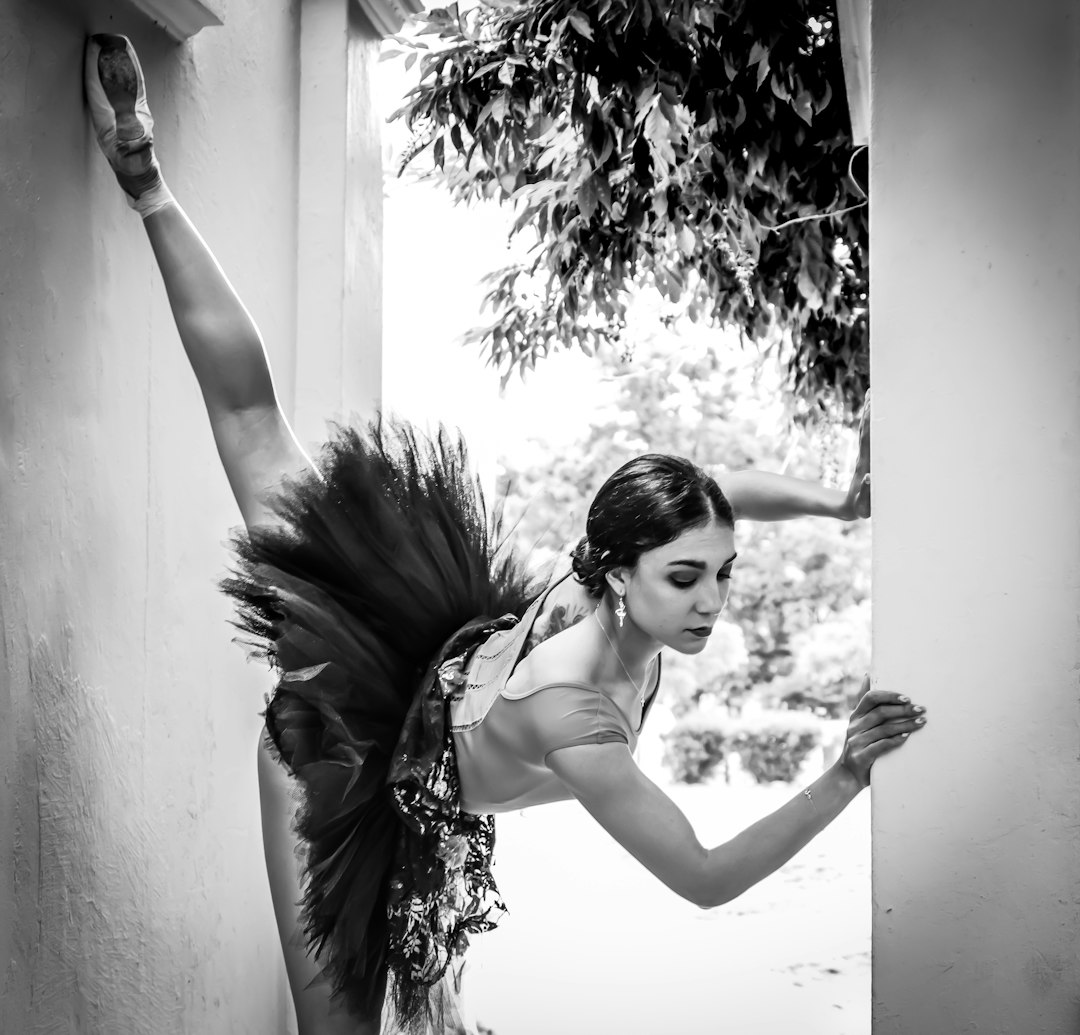
Swing dance exploded from 1920s Harlem ballrooms as a physical conversation between partners and jazz itself. Today, this energetic partner dance remains one of the most accessible ways to build fitness, sharpen coordination, and join welcoming communities worldwide. Whether you're stepping onto the floor for the first time or refining your foundation, this guide covers the essential skills that transform awkward first steps into confident, rhythmic movement.
The Real Basic: East Coast Swing Footwork
Let's correct a common misconception. Swing dance basics don't involve marching forward and backward for six steps. The foundational East Coast Swing pattern uses six counts with specific weight changes, not six traveling steps.
The Triple-Step Pattern
| Count | Leader's Movement | Follower's Movement |
|---|---|---|
| 1&2 | Triple step left (small step, close, step) | Triple step right |
| 3&4 | Triple step right | Triple step left |
| 5-6 | Rock step back-left, replace | Rock step back-right, replace |
The rhythm sounds like: "triple-step, triple-step, rock-step" or "1-and-2, 3-and-4, 5, 6."
Both partners dance on the same counts, executing complementary movements. The follower doesn't dance "backward in time"—they mirror the leader's foot placement while maintaining their own rhythmic integrity.
Finding Your Balance
Keep knees softly bent with weight forward on the balls of your feet. This ready position lets you respond quickly to your partner's cues and the music's energy. Arms hang naturally from relaxed shoulders, hands connecting with gentle tone—not grip.
Posture That Supports Partnership
Good alignment in swing dance isn't about rigid military posture. It's about creating a frame that communicates clearly while remaining responsive.
Stand with intention:
- Feet hip-width apart, weight evenly distributed
- Knees flexible, never locked
- Pelvis neutral—avoid tucking under or arching back
- Shoulders released down and back, away from ears
- Head floating upward, eyes at natural horizon
Common mistake: Tensing shoulders creates arm stiffness that blocks connection. If your partner complains of "heavy" arms, shrug shoulders up toward your ears, then release completely. Feel the difference?
The follower traditionally stands with feet closer together, creating a slight offset that prevents stepped-on toes and facilitates rotational movement. Modern swing welcomes all gender combinations—simply adjust positioning based on who leads and who follows, not who asks whom.
Connection: The Invisible Conversation
Partners describe finding "the groove"—that moment when intention and response blur into single movement. This emerges through deliberate, patient practice of connection mechanics.
For Leaders
Guide through body weight shifts and frame changes, not arm pulling. Your signal begins in your center, travels through your shoulder, and arrives at your partner's hand as clear invitation rather than command. Keep your own movements smooth and continuous; abrupt stops break the flow.
For Followers
Listen through your hands and frame, not your eyes. Respond to momentum and direction while maintaining your own rhythm and balance. The best followers contribute their own musical interpretation within the lead's structure—it's collaboration, not obedience.
The Goldilocks principle: Avoid "spaghetti arms" (too loose, no information transfers) and "iron grip" (too rigid, no freedom to move). Aim for "tone"—like holding a half-filled water balloon. Firm enough to feel, soft enough to adjust.
Finding the Swing Rhythm
Swing dance lives in the music's "bounce" or "pulse"—a slight bend-and-lengthen through the knees that happens between every beat.
Try this exercise: Stand with knees soft, weight on balls of feet. Bend knees slightly on the "&" counts, straighten on the numbers. This creates the characteristic swing feel that distinguishes it from ballroom styles. Practice bouncing in place to swing music before adding footwork patterns.
Style Branches: Know Your Path
Swing dance encompasses multiple related styles. Understanding the differences helps set learning expectations:
| Style | Characteristics | Best For |
|---|---|---|
| East Coast Swing | Six-count patterns, triple steps, compact | Beginners, crowded floors, faster music |
| Lindy Hop | Eight-count patterns, swingouts, aerials | Dancers seeking dynamic, athletic movement |
| Charleston | Kicks, twists, solo and partnered variations | Adding playfulness, 1920s aesthetic |
Most beginners start with East Coast Swing fundamentals before branching into Lindy Hop's more complex vocabulary.
Practice Strategies That Work
Transform knowledge into muscle memory with these targeted approaches:
- Mirror practice: Work footwork alone, watching your reflection for posture and rhythm
- Slow-motion drilling: Execute basics at 50% speed to identify and correct


