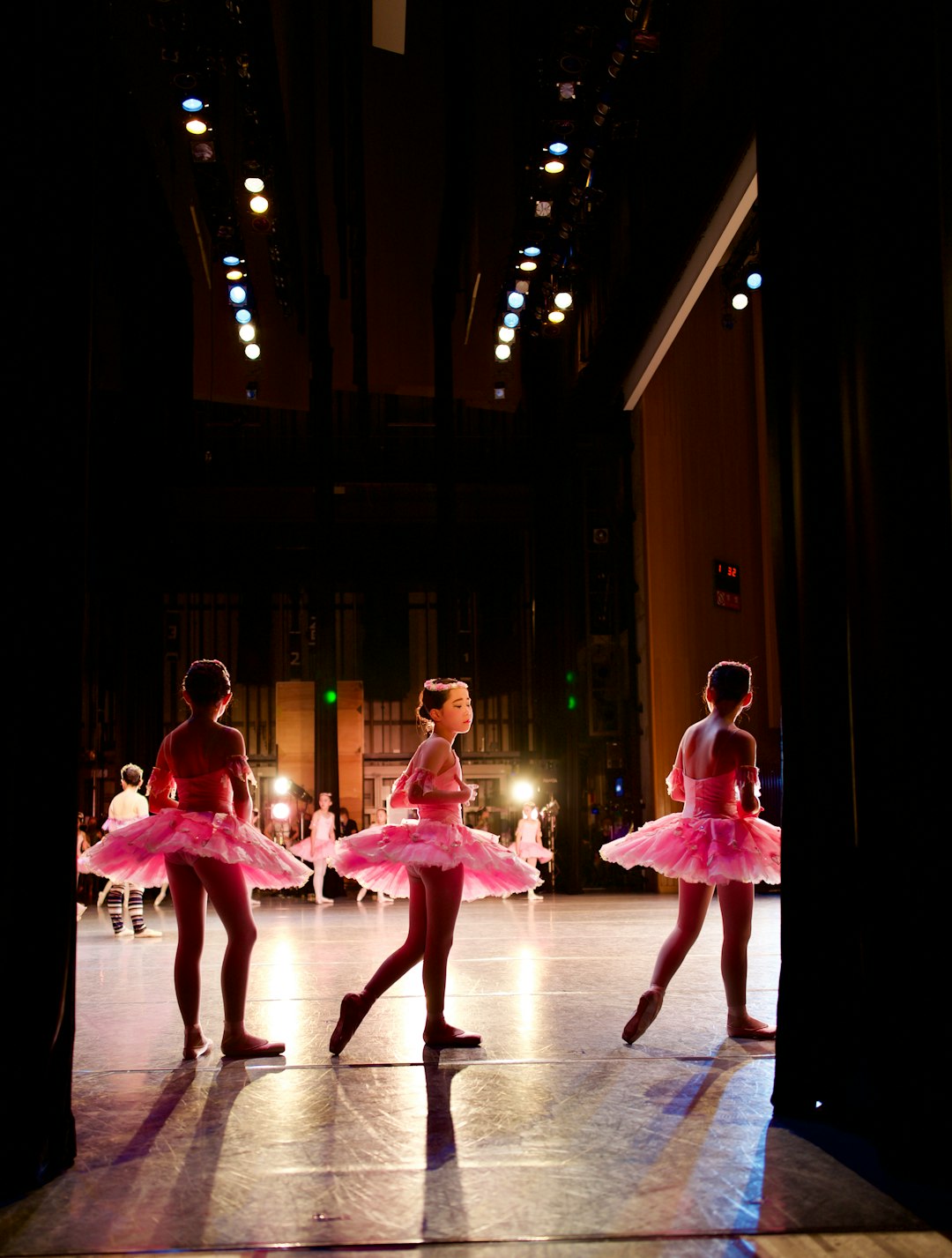
In 1935, a dancer named Frankie Manning created the first aerial move in swing dance by flipping his partner over his back at the Savoy Ballroom in Harlem. Ninety years later, that same spirit of innovation, playfulness, and joy lives on in dance halls, community centers, and living rooms worldwide—and you don't need to be Frankie Manning to join in.
Whether you're looking for a new social outlet, a fun way to stay active, or simply an answer to "what should I do on Friday night?", swing dance delivers. This guide will take you from complete novice to confident first-timer, with concrete steps you can act on today.
What Makes Swing Dance Different
Unlike salsa's intricate turn patterns or ballroom's strict technique requirements, swing dance prioritizes improvisation and conversation. You and your partner build something unique to each song, reading each other's movements in real time. The dance floor becomes less about performance and more about connection.
This "social dance" ethos means you'll rarely dance with the same partner twice in an evening. Rotating partners is standard practice in classes and social dances, creating an unusually welcoming environment where strangers become friends within the span of a three-minute song.
A Brief, Vibrant History
Swing dance emerged from African American communities in Harlem during the 1920s and 1930s, evolving alongside the big band jazz era. The Savoy Ballroom—despite operating during segregation—was remarkably integrated, with Black and white dancers sharing the same floor and influencing each other's styles.
The dance nearly vanished in the 1960s as musical tastes shifted, then experienced a dramatic revival in the 1980s when original dancers like Frankie Manning were rediscovered. Today, swing dancing thrives globally, with active scenes from Seoul to Stockholm, and a particularly vibrant online learning community that emerged during the 2020 pandemic.
Styles at a Glance
| Style | Characteristics | Best For |
|---|---|---|
| Lindy Hop | Athletic, playful, includes aerials | Dancers wanting full creative range |
| Balboa | Close embrace, small steps, handles fast tempos | Dancers who love intimate connection and speed |
| Collegiate Shag | Bouncy, energetic, 1930s aesthetic | Those who want high energy in small spaces |
| West Coast Swing | Slotted pattern, contemporary music (R&B, pop) | Dancers preferring modern sounds |
Most beginners start with Lindy Hop, as it provides the foundation for understanding other styles.
Why Start Now? Evidence-Based Benefits
Physical fitness without the gym: A 2016 study by the University of Brighton found that swing dancing burns 300-550 calories per hour—comparable to cycling or swimming—while the constant direction changes improve proprioception (your body's spatial awareness).
Cognitive protection: Partner dancing requires split-second decision-making, spatial reasoning, and memory recall. Research published in Frontiers in Aging Neuroscience links regular social dancing to reduced dementia risk.
Social infrastructure: In an era of digital isolation, swing dance offers structured, in-person community. You'll find people of all ages, professions, and backgrounds united by a shared activity.
Mood regulation: The combination of physical exertion, music, and social touch triggers measurable reductions in cortisol and increases in oxytocin.
Your First Month: A Roadmap
Week 1: Find Your Foundation
Search for "Lindy Hop beginner series" or "swing dance fundamentals" in your area. Look for:
- Progressive series (same day/time for 4-6 weeks) rather than drop-in classes
- Explicit "no partner required" policies
- Instructors who rotate partners during class
Cost expectations: $60-120 for a month-long beginner series; $10-15 for drop-in social dances.
Week 2-3: Build Muscle Memory
Practice the Lindy Hop six-count basic at home:
- Rock step (1-2): Step back on left foot, replace weight on right
- Triple step left (3-and-4): Three quick steps in two beats—left, right, left
- Triple step right (5-and-6): Right, left, right
Practice this weight-shift pattern slowly before adding a partner. Count aloud. Film yourself. Progress happens in repetition.
Week 4: Attend Your First Social
Arrive early for the beginner lesson typically offered before social dances. Expect:
- The "snowball" welcome: A group dance where everyone joins gradually
- Taxi dancers: Experienced dancers specifically there to dance with newcomers
- To ask someone: "Would you like to dance?" works universally. "I'm new" is information, not an apology.