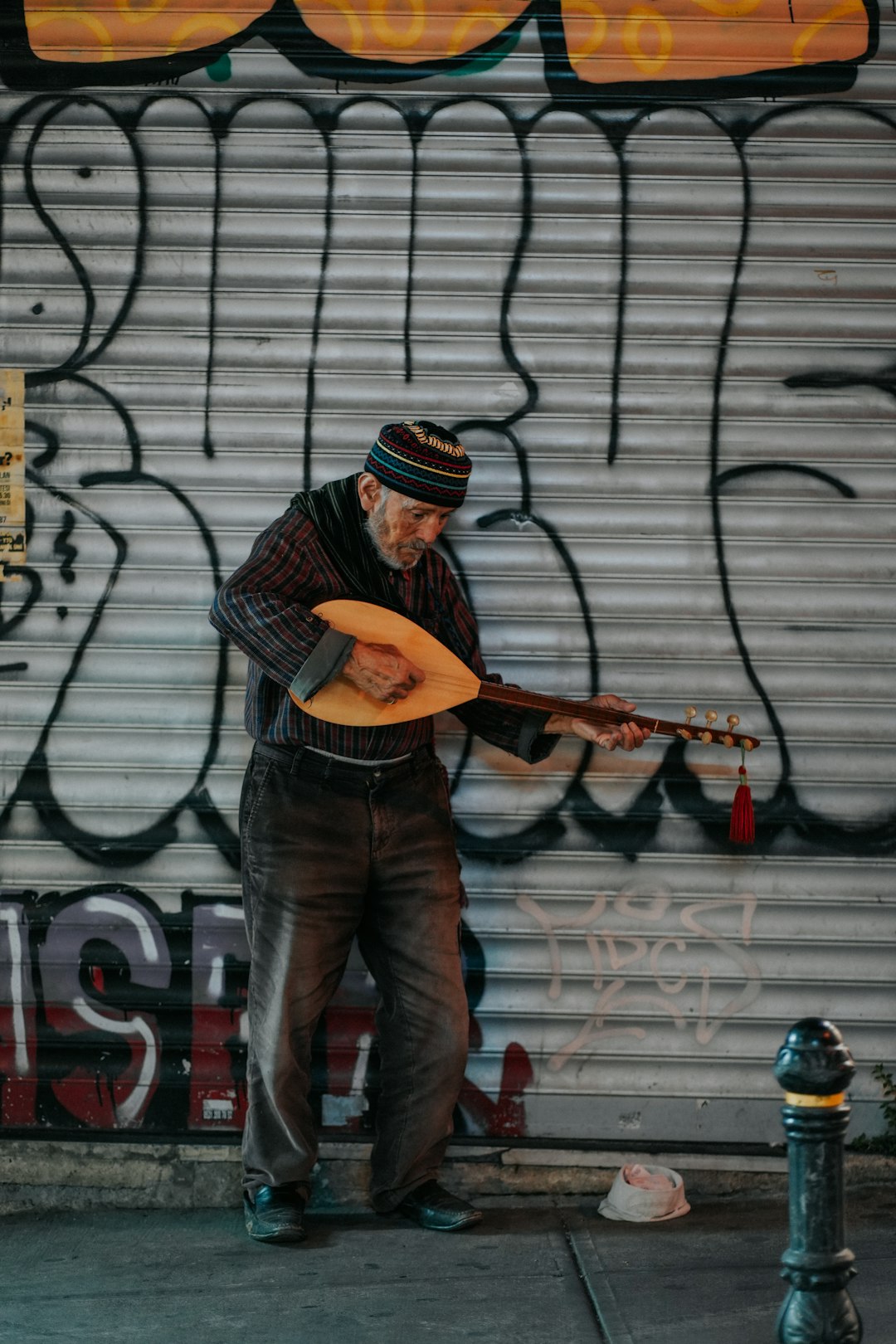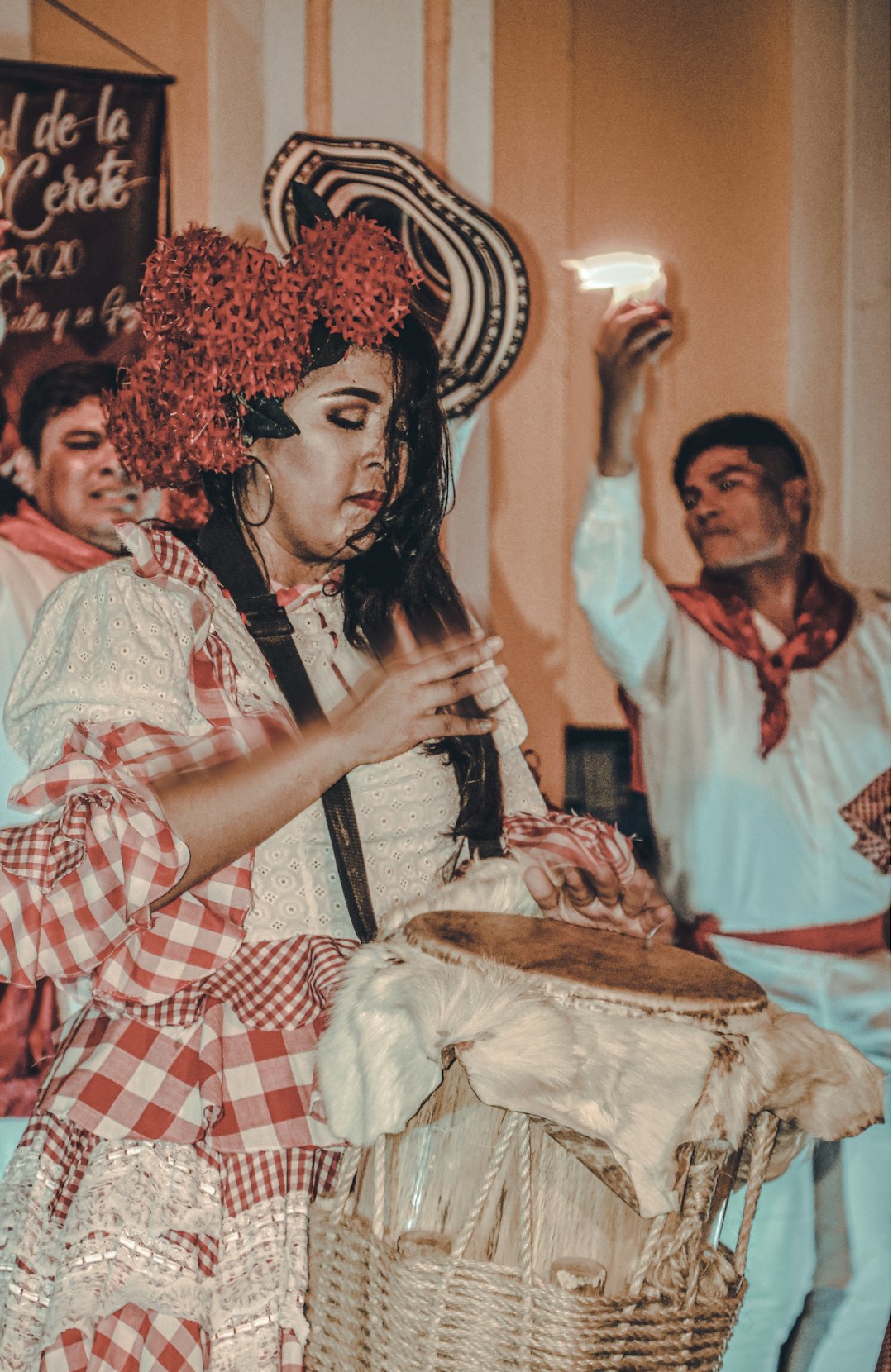
The first time you hear a live swing band hit their stride, something shifts. The brass section punches through the chatter, the floorboards vibrate under leather-soled shoes, and strangers lock hands like they've known each other for years. This isn't nostalgia—it's a living, breathing social scene that has evolved dramatically since 2020.
Whether you're recovering from pandemic isolation, chasing a TikTok-inspired curiosity, or simply tired of scrolling past midnight, swing dance offers something rare: immediate, embodied connection. Here's how to actually start in 2024.
What Swing Dance Actually Is (And Where It Came From)
Swing dance emerged from African American communities in Harlem during the late 1920s, particularly at the Savoy Ballroom where dancers invented the Lindy Hop to match the breakneck tempos of big band jazz. The form was never about choreography—it was about improvisation, musical conversation, and social resilience.
Today, "swing dance" refers to a family of related styles:
| Style | Tempo | Character | Best For |
|---|---|---|---|
| Lindy Hop | Fast to medium | Athletic, playful, with aerials | Those wanting the "classic" experience |
| Charleston | Very fast | Solo or partnered, kicks and twists | Building footwork confidence quickly |
| East Coast Swing | Medium | Compact, rotational, dance-school standard | Social events with mixed skill levels |
| Balboa | Fast | Close embrace, subtle footwork | Crowded dance floors |
The improvisation element isn't decorative—it's structural. Partners negotiate each movement in real-time through physical connection, making every dance unique.
What to Expect: Anxiety Reduction for the Hesitant
"Do I need a partner?" No. Classes rotate partners every few minutes; social dances use verbal or gestural invitation. Showing up alone is standard.
"What do I wear?" Comfortable clothes that move with you. Avoid rubber-soled sneakers (they grip too much). Leather-soled shoes, dance sneakers, or even socks work initially. Bring water—swing is more cardiovascular than it appears.
"Is it physically demanding?" Moderately. Expect to sweat. The lead-follow dynamic involves gentle physical negotiation; communicate boundaries clearly, and know that declining any dance is always acceptable.
Finding Instruction in 2024
The post-pandemic landscape has stabilized into a hybrid model. Here's how to navigate it:
Finding Your Local Scene
Search specifically for "[your city] Lindy Hop" or "[your city] Balboa" rather than generic "swing dance." Scene-specific terms surface active communities, not dormant studio listings. Facebook groups remain surprisingly central to event coordination, though Discord servers are gaining ground in younger scenes.
Virtual Options That Actually Work
Online classes have matured since 2020. Platforms like iLindy and Move iT! offer structured progressions with feedback mechanisms. The limitation: you cannot learn partner connection through a screen. Use virtual instruction for solo jazz vocabulary (Charleston variations, jazz steps) while seeking in-person classes for lead-follow fundamentals.
Your First Month: A Realistic Progression
| Week | Focus | Expected Experience |
|---|---|---|
| 1 | First beginner class | Overwhelmed by footwork; probably stepped on someone |
| 2 | Second class + solo practice | Basic rhythm starts feeling automatic; social anxiety diminishes |
| 3 | First social dance | Danced with 5-10 strangers; forgot everything temporarily |
| 4 | Class + social combination | Begin recognizing faces; one move feels genuinely owned |
The 2024 Scene: What's Actually Happening
TikTok's double-edged influence: Short-form video has democratized visibility—dancers like @swingdancemike and @remy_kouakou_kouame have attracted six-figure followings. The downside: performance clips create unrealistic expectations about social dancing, which prioritizes connection over flash.
Electro Swing and fusion: Traditionalists resist it, but Electro Swing (swing samples over electronic beats) has built parallel scenes in Europe and urban US centers. These events attract younger demographics but often lack the improvisational culture of jazz-rooted dancing.
Post-pandemic social dynamics: Many established scenes report slower rebuilds than expected. Your presence as a beginner matters more than you know—scenes need fresh energy to survive.
Practical Tips Beyond the Clichés
On practice: Twenty minutes of solo footwork practice three times weekly develops body rhythm faster than partner-heavy sessions. Try practicing to varied tempos (100 BPM to 200 BPM) to build adaptability.
On failure: You will mishear the beat, forget the basic step, and apologize excessively. Experienced dancers have done exactly this hundreds of times. The social contract of swing dance assumes mutual generosity—accept