The First Step Feels Like Jumping Into a Time Machine—Until It Doesn't
The room smelled like wood polish and honest sweat. A ten-piece band crammed into the corner of a Brooklyn warehouse was tearing through a Count Basie number at a tempo that should've been illegal. I stood near the exit, clutching my coat, convinced I'd walked into a costume party I wasn't invited to.
Then a woman in ripped jeans and a faded Radiohead t-shirt grabbed my hand. "First time?" she asked, not waiting for an answer before pulling me toward the floor. That was three years ago. I haven't stopped dancing since.
If you think swing dancing in 2024 means sepia filters, vintage dresses, and stiff attempts to recreate the 1940s, you're about half a century off. The modern swing revival isn't a reenactment. It's a living, breathing, occasionally bruising culture that's filling dance halls from Austin to Berlin—and it has very little interest in being a museum piece.
Where This Actually Came From
Let's get the history out of the way, because the truth is more interesting than the postcards.
Swing didn't start in a Hollywood backlot. It erupted in the African American communities of Harlem during the late 1920s, fed by the syncopated chaos of jazz and the sheer refusal of a generation to sit still. The Lindy Hop—swing's rowdiest, most joyous child—was named, legend has it, after Charles Lindbergh's flight across the Atlantic. Dancers at the Savoy Ballroom claimed they were "flying" too, and watching a good Lindy Hopper launch their partner into the air, you believe it.
The Charleston, Balboa, Collegiate Shag—each variation was a regional accent, a way for different communities to argue about rhythm using their feet. By the 1940s, swing was the dominant popular music and dance form in America. Then it wasn't. Rock and roll showed up, dance styles splintered, and swing went underground, kept alive by small cults of obsessives who treated the old footage like sacred texts.
So Why Is Everyone Suddenly Swinging Again?
Walk into any modern swing night and you'll notice something strange: about half the room is under thirty, half the music was recorded last year, and almost nobody is staring at a phone.
There's your answer.
We live in an age where most social interaction happens through glass. Dating apps, group chats, algorithmic feeds—connectivity without connection. Swing dancing is the exact opposite. You must touch another human. You must make eye contact. You must listen to the same beat at the same time or the whole thing falls apart. It's terrifying for the first ten minutes, then addictive.
The vintage aesthetic helped bring people through the door, sure. There's something undeniably fun about dressing up, about the tactile pleasure of suede-soled shoes and the swing of a full skirt. But the people who stay aren't here for the Instagram photo. They stay because they just had a three-minute conversation with a stranger—without saying a word—that felt more honest than anything they'd done all week.
The Sound Has Evolved, and That's the Point
Here's where the purists and I part company.
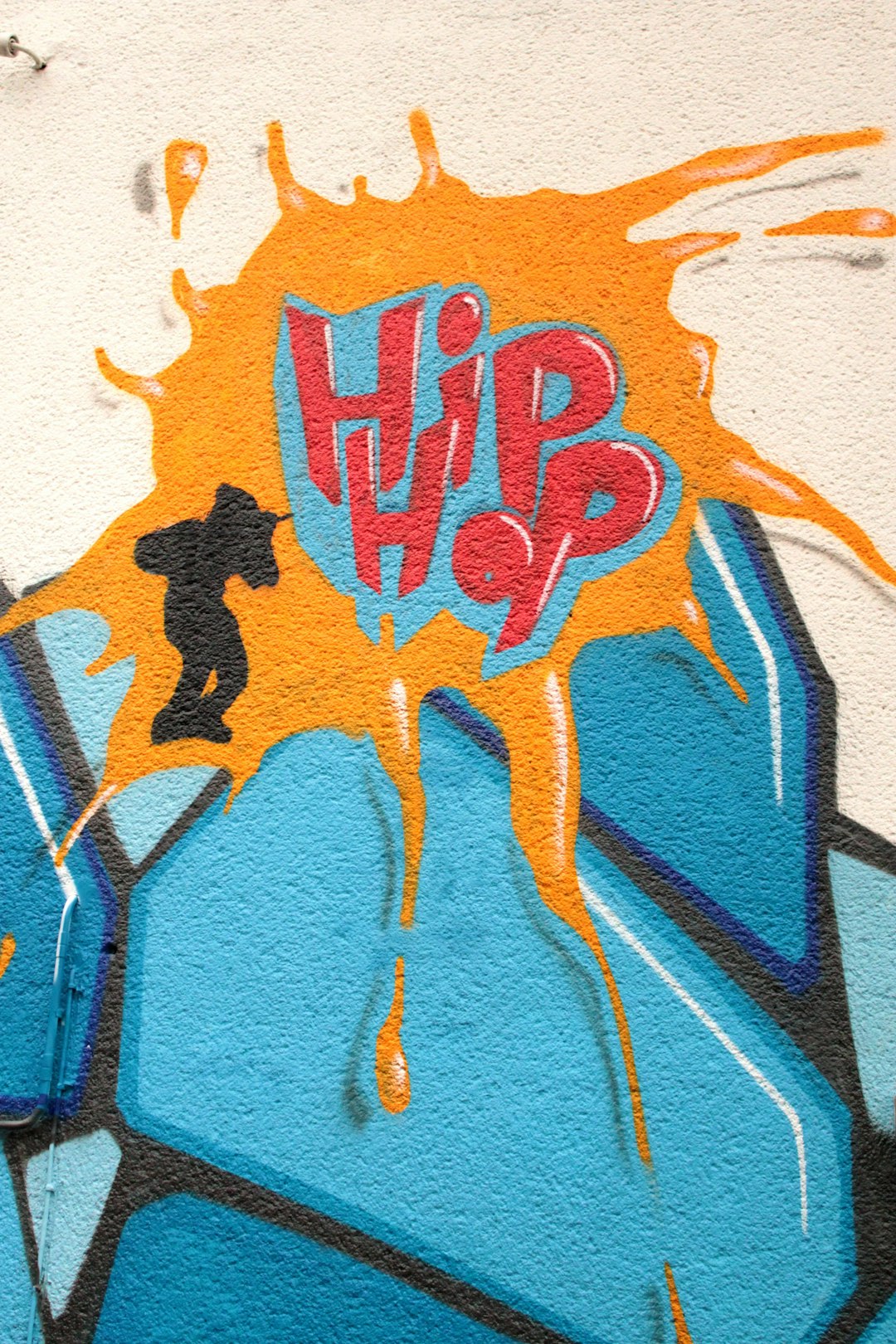
Modern swing nights aren't playing the same forty songs from 1938 on repeat. Sure, you'll hear Chick Webb and Ella Fitzgerald. But you'll also hear contemporary swing bands like Gordon Webster or the Careless Lovers blasting originals that would've made Basie grin. DJs regularly drop hip-hop beats between live sets. Some dancers weave in house steps or breakdance freezes mid-Lindy. The dance evolves because it has to.
I've seen a teenage b-boy who learned swing from YouTube throw a windmill into a routine at a Stockholm dance hall. The old-timers cheered louder than anyone. That's the spirit that made swing what it was in the first place: theft, adaptation, joy, speed. The moment you freeze it in "authenticity," you kill it.
You Don't Need Lessons. You Need Courage.
The most common thing I hear from people hovering near the door: "I don't know the steps."
Good. Neither did anyone in Harlem in 1928.
Swing was never about perfection. It was about showing up. Yes, there are classes—most cities have them, and they're full of patient people who remember their own first terrified night. Yes, there are online tutorials that can teach you the basic footwork in your kitchen. But the real education happens on the floor, in the moment, when you realize your partner isn't judging your technique. They're just glad you said yes.
Wear whatever lets you move. Start with the slower songs. Smile when you mess up—everyone does. The only real rule is to take care of the person in front of you.
The Shoes Eventually Wear Out
My first pair of dance shoes died last winter. The suede soles went bald, the insoles split, the heel caps ground down to nubs. I kept them anyway, shoved in the back of my closet, because looking at them reminds me of something I keep forgetting: the best experiences don't happen on a screen, in isolation, curated by an algorithm.
They happen in crowded rooms where the temperature is too high, where a stranger's hand finds yours at exactly the right beat, where the brass section hits a crescendo and you both laugh because there's nothing else to do with that much joy.
Swing isn't back because it's vintage. It's back because we finally need what it's been offering all along.