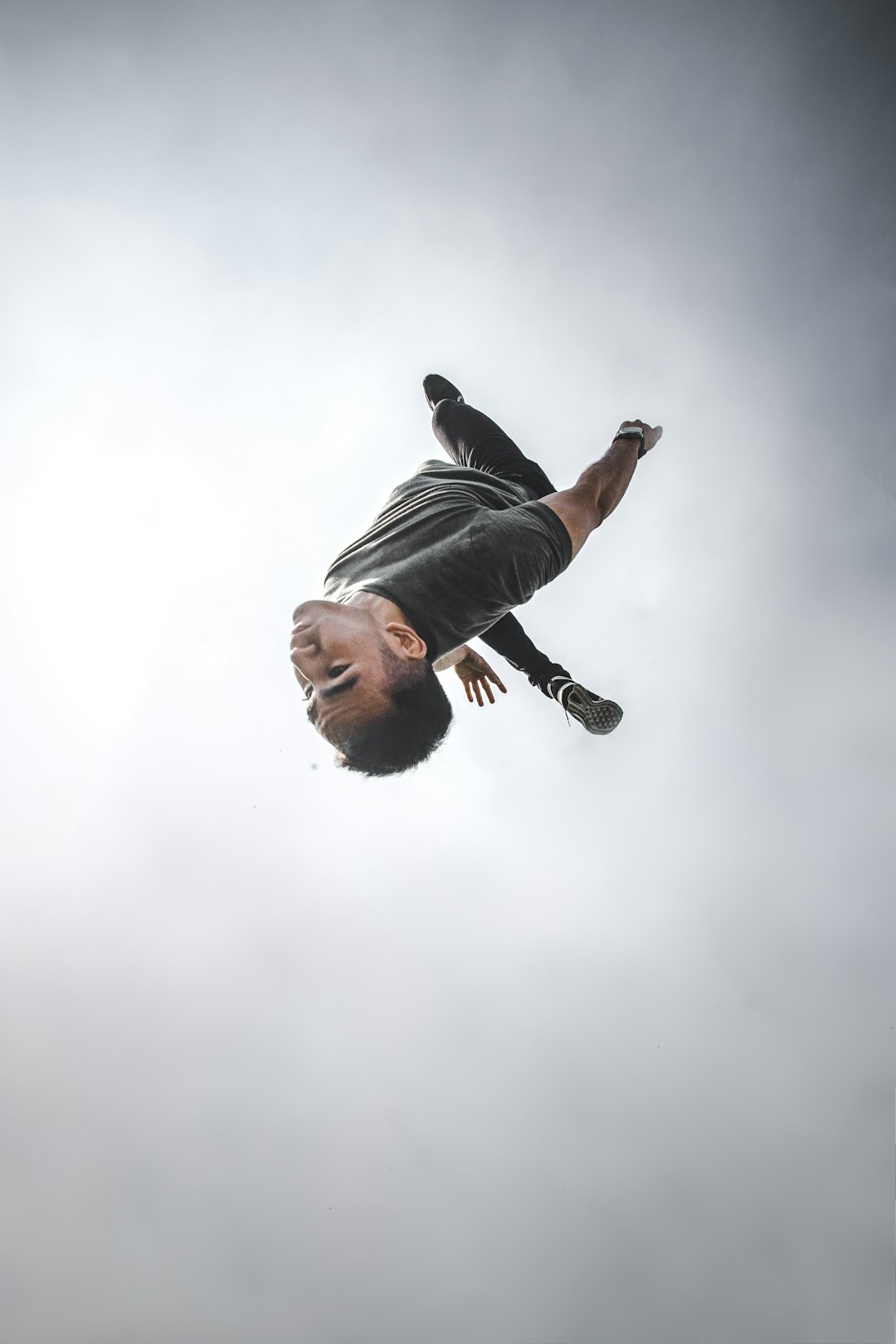
The Sound of Swing Is Back
On a Thursday night at the Century Ballroom in Seattle, twenty-somethings in vintage oxfords and full-circle skirts pack the floor. The band strikes up Count Basie's "Jumpin' at the Woodside," and the room explodes into motion—partners launching into aerials, feet flying through Charleston kicks, bodies locked in Balboa's intimate embrace. This isn't a period film set. It's 2024, and swing dance is experiencing its most significant resurgence in decades.
Google searches for "swing dance classes" climbed 34% between 2019 and 2023, according to data from SEMrush. On TikTok, the #swingdance hashtag has accumulated over 890 million views, with viral clips of dancers performing in subway stations, grocery stores, and wedding receptions. What began as a countercultural movement in 1920s Harlem has become a global phenomenon that refuses to stay in the past.
From the Savoy Ballroom to Your Local Studio: A Brief History of Swing Dance
Swing dance emerged from the vibrant African American communities of Harlem, New York, during the late 1920s and 1930s. It was a time of seismic cultural shift: jazz music dominated the airwaves, Prohibition-era speakeasies thrived, and the Savoy Ballroom—the first integrated dance hall in America—became the epicenter of a movement that would transform popular culture.
But "swing dance" is not a monolith. The term encompasses distinct styles with unique characteristics, tempos, and social histories.
Lindy Hop, the most iconic swing style, burst onto the scene at the Savoy in the late 1920s. Characterized by its athletic aerials, playful improvisation, and eight-count basic, Lindy earned its name from Charles Lindbergh's 1927 transatlantic flight—dancers claimed they were "hopping the Atlantic." Legendary choreographer Frankie Manning, who performed with Whitey's Lindy Hoppers, revolutionized the form by introducing air steps that sent partners soaring over each other's heads.
Charleston, with its twisting feet and exuberant kicks, actually predates Lindy Hop. Originating in African American communities of South Carolina, it exploded into mainstream popularity through the 1923 Broadway show Running Wild. The dance experienced separate revivals in both the 1950s and 1980s, each generation adapting its frenetic energy to contemporary music.
Balboa, born in Southern California's crowded ballrooms during the 1930s, developed out of necessity. When dance floors became too packed for Lindy Hop's expansive movements, dancers innovated a style emphasizing close embrace, rapid footwork, and subtle weight shifts—tempos that would exhaust Lindy dancers become Balboa's natural habitat.
These styles shared common DNA: improvisation, musicality, and the revolutionary concept of lead-follow partnership that allowed spontaneous co-creation on the dance floor.
Why Vintage Swing? The Irresistible Appeal of Partner Connection
The contemporary appeal of swing dance cannot be reduced to nostalgia alone. In an era of algorithm-curated entertainment and screen-mediated social interaction, swing offers something increasingly rare: genuine human connection.
"It's not about the steps," explains Mia Park, a Lindy Hop instructor with fifteen years of teaching experience. "I've had students come in after terrible breakups, stressful work weeks, periods of isolation. Within an hour, they're laughing with a stranger, moving together to live music, experiencing what we call 'flow state.' You can't replicate that on a dating app."
This emphasis on partnership distinguishes swing from solo dance forms dominating social media. The "connection" between lead and follow—communicated through frame, tension, and subtle physical cues—creates a conversation without words. Each dance becomes unique, shaped by the music, the partners' skill levels, and spontaneous creative decisions.
The joy of movement itself proves equally compelling. Unlike highly structured ballroom styles with rigid syllabi and competition hierarchies, social swing dancing prioritizes personal expression. There is no single "correct" way to interpret a song. A dancer might emphasize the melody one moment, the rhythm section the next, or throw in a reference to historical choreography that only fellow enthusiasts recognize.
This freedom attracts refugees from more regimented dance backgrounds. Contemporary dancer James Chen, who trained in ballet for twelve years before discovering Lindy Hop, describes the transition as "learning to breathe again. In ballet, I was always performing for an adjudicator. In swing, I'm having a conversation. The goal isn't perfection—it's communication."
The Modern Revival: Authenticity, Community, and Viral Fame
The current swing resurgence differs significantly from previous waves. The 1990s neo-swing revival—propelled by bands like Big Bad Voodoo Daddy, the Brian Setzer Orchestra, and the








