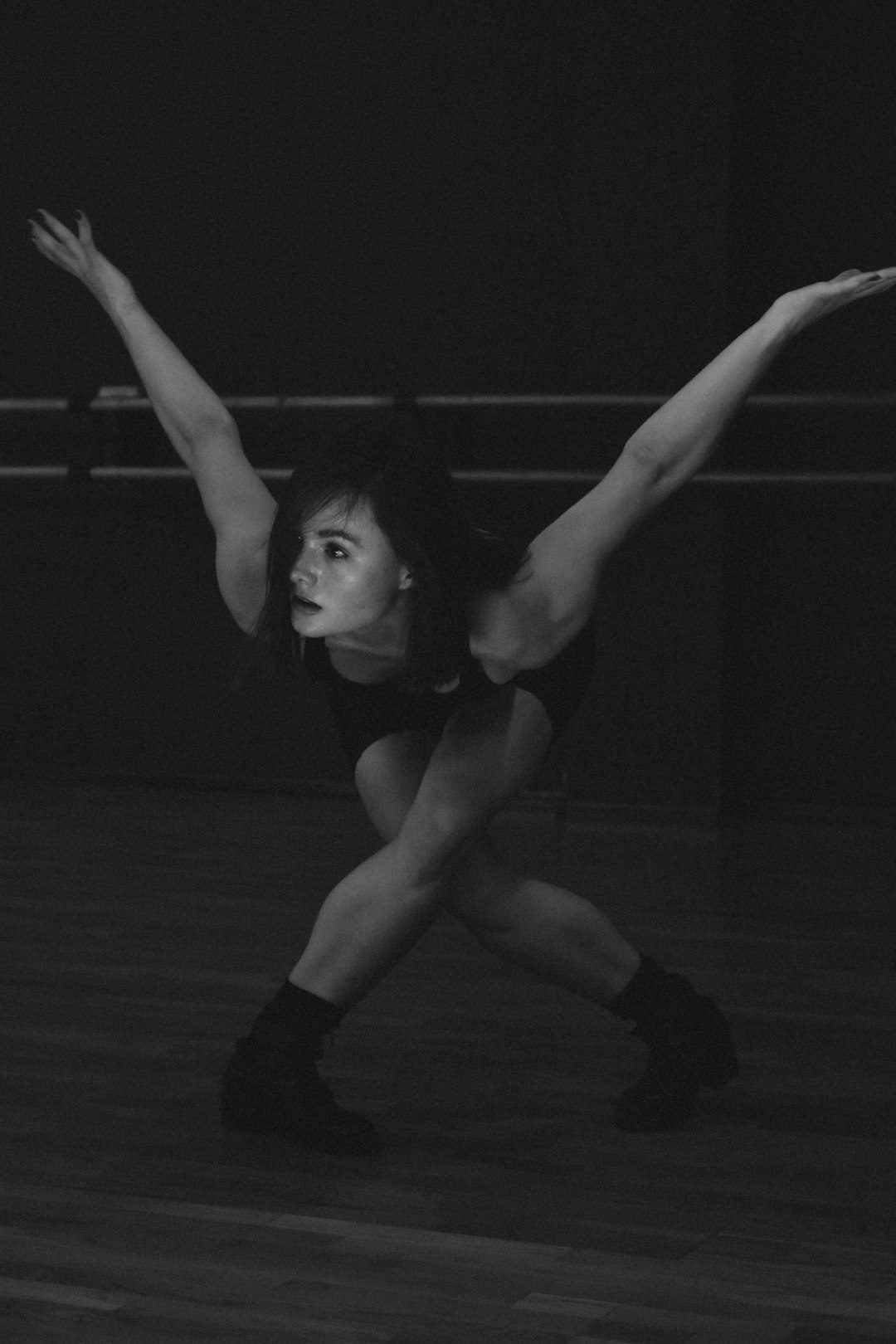
A poorly chosen swing shoe announces itself within eight counts: a stuck pivot, a sliding heel, an ankle rolling mid-kickturn. Veteran dancers know that footwear can elevate a social dance—or end it early with a sprain. Whether you're stepping into your first Lindy Hop or upgrading from street sneakers, understanding swing-specific footwear prevents injury and unlocks movement you didn't know your body could execute.
What to Look for in Swing Dance Shoes
Sole Materials: The Foundation of Every Step
The sole material determines how you connect with the floor. This single choice affects your slides, your grip, and where you can safely wear your shoes.
Chrome Leather Soles Preferred by experienced dancers for their smooth, controlled slide. Chrome leather allows effortless pivots and glides across hardwood floors. However, these soles are indoor-only; concrete or asphalt will shred them quickly. They also require maintenance—occasional brushing removes wax buildup and restores optimal performance.
Hard Leather Soles A middle-ground option offering moderate slide with increased durability. Suitable for dancers who occasionally step outside or prefer less slip than chrome leather provides.
Rubber Soles The practical choice for beginners and street dancers. Rubber grips firmly, reducing fall risk while you learn fundamentals. Modern swing-specific rubber compounds offer surprising flexibility. Many dancers keep rubber-soled pairs for outdoor events or crowded floors where stopping quickly matters more than sliding.
Heel Height and Role
Heel height isn't merely aesthetic—it fundamentally changes weight distribution and movement mechanics.
| Role | Recommended Heel | Why It Matters |
|---|---|---|
| Follows | 1.5"–2" | Places weight forward onto the balls of the feet, enabling quicker responses and balanced spins |
| Leads | 0.5"–1" or flat | Provides stable base for anchoring, clearer weight shifts, and reduced knee strain during hours of social dancing |
Very high heels (above 2.5") shift weight too aggressively forward and strain the Achilles tendon. Completely flat shoes for follows can make forward posture and quick triple-steps mechanically awkward.
Fit and Sizing
Dance shoes should fit like a second skin—snugger than street shoes with toes resting at the very edge of the shoe. This prevents the foot from sliding inside during turns and allows precise floor contact. Most dancers size down 0.5–1 full size from their street shoe.
Try shoes late in the day when feet are slightly swollen. Walk, pivot, and attempt a few triple-steps before purchasing. Any heel slippage or toe crushing will amplify exponentially during an hour-long social dance.
Support and Stability
Look for structured heels that don't compress under pressure and uppers that cradle the arch without restricting ankle movement. A well-designed swing shoe balances flexibility with enough rigidity to prevent rolling during energetic Charleston kicks.
Breathability
Mesh panels, canvas uppers, and perforated leather keep feet cool during marathon dance sessions. Avoid fully synthetic uppers that trap heat and moisture.
Types of Swing Dance Shoes
Classic Oxford Styles
The quintessential Lindy Hop shoe—low-profile, lace-up, and understated. Oxfords work equally well for leads and follows seeking vintage authenticity. Their closed construction protects toes during crowded floor conditions.
Spectator Pumps and Heels
Two-tone designs (typically black and white or brown and cream) deliver 1930s–40s visual impact. Follows favor these for their feminine silhouette and period accuracy. Ensure the heel is swing-appropriate rather than a stiletto ballroom style.
Jazz Sneakers and Practice Shoes
For rehearsal and casual social dancing, hybrid designs combine sneaker cushioning with dance-sole flexibility. These sacrifice some aesthetic authenticity for all-day comfort and are popular at weekend-long dance camps.
Dance Boots
Ankle-height boots offer additional support and protection. Some dancers prefer them for outdoor dancing or colder venues. Verify that boot shafts don't restrict ankle flexion essential for proper technique.
Budget Tiers and What to Expect
| Tier | Price Range | Characteristics | Best For |
|---|---|---|---|
| Beginner | $60–$100 | Basic construction, rubber or hard leather soles, limited style options | First-time dancers testing commitment |
| Intermediate | $100–$180 | Chrome leather options, better materials, improved construction | Regular social dancers |
| Vintage/Custom | $200–$300+ | Hand-finished details, historically accurate reproductions, premium materials | Performers, collectors, dedicated enthusiasts |
Quality swing shoes represent an investment, but entry-level pairs suffice for determining your preferences before upgrading.
Recommended Brands
| Brand | Specialty | Price Range | Best For |
|---|---|---|---|
| Aris Allen | Vintage reproductions with period-accurate details | $85–$140 | Authentic 1930s–40s aesthetic on a moderate budget |



of his web site, for the reason that here every data is quality based material.
due to this fantastic read!! I definitely appreciated every bit of it and i also have you saved to fav to check out
new information in your site.