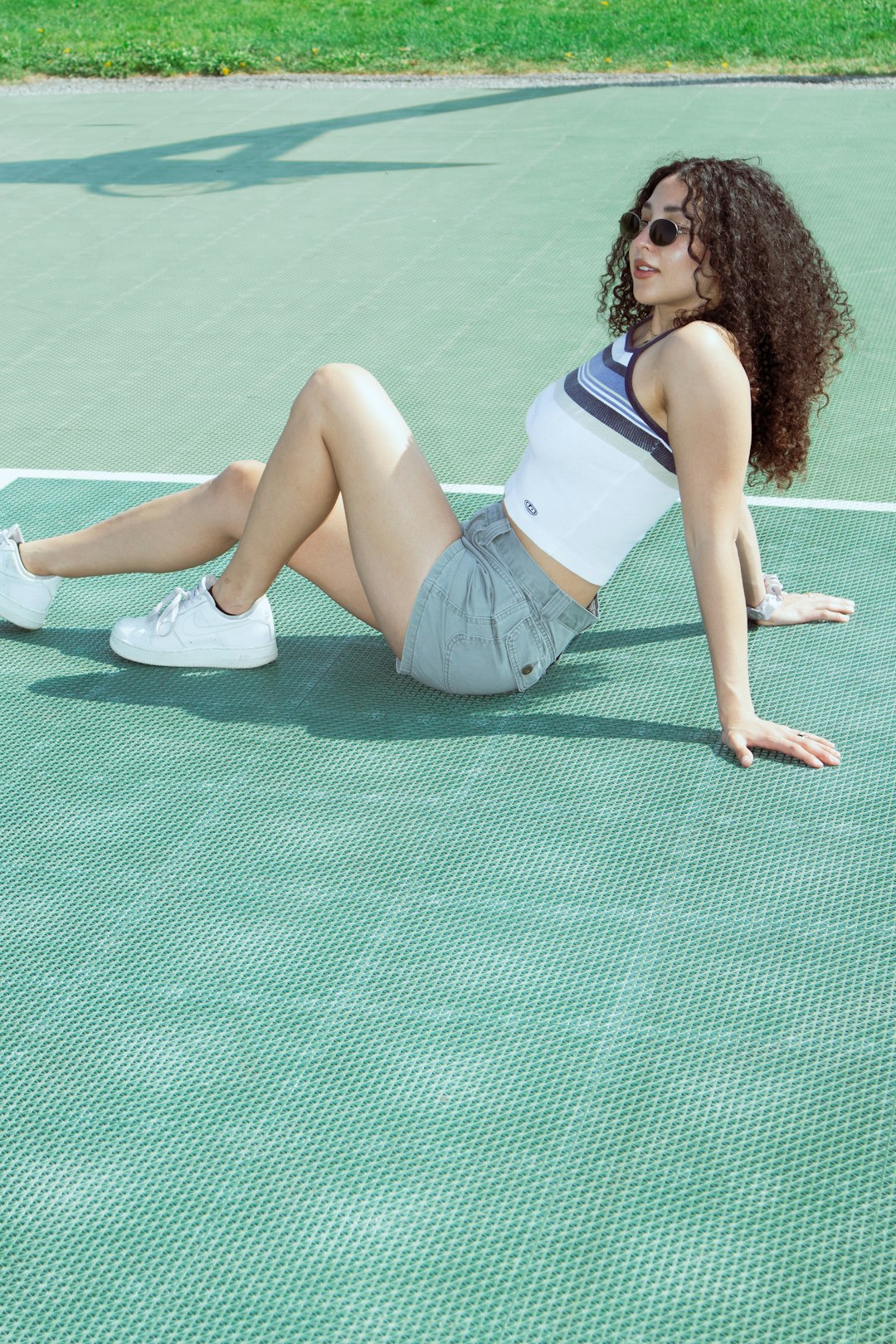
Your outfit sends a signal before you take your first step. In swing dancing—a culture spanning nearly a century of evolving styles—what you wear identifies which community you're joining, how seriously you take the dance, and whether you've done your homework. This guide moves beyond generic "comfortable clothing" advice to give you specific, actionable guidance for dressing with confidence across swing's diverse scenes.
Know Your Swing Style
"Swing dance" encompasses distinct subcultures with different aesthetic expectations. Research your event through social media photos beforehand—your outfit should signal fluency in that specific world.
Lindy Hop (1930s-40s revival): The dominant vintage swing scene embraces high-waisted trousers, rayon shirt dresses, and reproduction 1940s silhouettes. Victory rolls or fedoras aren't costuming—they're community identifiers.
West Coast Swing: Contemporary and adaptable. Slim-fit trousers with stretch, fitted button-downs, and dance-specific practice wear dominate. Think "business casual with movement capacity" rather than historical reproduction.
Balboa/Collegiate Shag: Compact dances favor closer-fitting clothing that won't tangle in close embrace. Pencil skirts and tapered trousers work better than full circle skirts here.
Neo-Swing (1990s revival): Zoot suits, bowling shirts, and retro-glam aesthetics. More theatrical than historical purist scenes.
Decode the Dress Code
Event descriptions contain coded language worth translating:
| Term | Translation | Examples |
|---|---|---|
| "Casual" | Street clothes acceptable, but avoid restrictive jeans | Stretch chinos, knit tops, flat-soled sneakers |
| "Vintage optional" | Historical dress welcomed, not required | One vintage piece (scarf, hat) with modern basics |
| "Formal ball" | Evening wear with dance functionality | Flowing gowns with side slits, suit separates with stretch panels |
| "Workshop weekend" | Athletic comfort prioritized | Dance pants, moisture-wicking tops, layers for temperature shifts |
Pro tip: Outdoor summer events demand different fabrics than air-conditioned ballrooms. Pack a light wrap for venues that blast AC, and choose sweat-wicking natural fibers for humid outdoor dances.
Build From the Floor Up
Footwear determines your capacity for the dance far more than your shirt choice. Swing's characteristic slides and turns require specific sole properties.
Leather-soled shoes allow controlled sliding essential for swing-outs and Lindy circle variations. Suede-bottomed Oxfords (men's standard), Keds Champion originals, or Aris Allen reproduction heels provide the right friction coefficient.
Test before committing: Attempt a pivot turn on your floor sample. Rubber soles grip too aggressively, causing knee torque. Pure leather can be dangerously slick on polished floors. Suede offers the middle ground—refresh with a wire brush when glazing occurs.
Socks and tights matter: For women in heels, dance tights with reinforced toes prevent blisters during hours of social dancing. Men in leather-soled shoes often prefer thin dress socks that allow foot articulation.
Movement-First Fabric and Fit
Swing dancing generates centrifugal force, rapid temperature changes, and full-range movement. Your clothing must accommodate physics, not fight it.
Fabric specifications:
- Cotton-spandex blends (2-5% spandex): Breathe well for high-energy Lindy Hop, recover shape after lunges
- Rayon challis or crepe: Drape elegantly for slower Balboa, resist wrinkling during travel
- Merino wool blends: Temperature-regulating for all-night events, naturally odor-resistant
- Avoid: 100% polyester (heat-trapping), stiff denim (restricts knee lift), anything without recovery stretch
Fit distinctions: "Not tight" doesn't mean "loose." Proper dancewear follows your body without compression. Test by raising both arms overhead—shirts should stay tucked, waistbands shouldn't dig. For skirts, the "spin test" reveals all: twirl rapidly; hemlines that rise above modesty thresholds need weighted hems or shorts underneath.
Gender-inclusive considerations: Fitted tank tops and dance belts provide support without restriction across body types. Compression shorts under skirts or kilts prevent exposure during dips and aerials. Binder wearers should prioritize stretch panels and cooling fabrics for cardio-intensive dancing.
Functional Accessories That Work
Accessories in swing dancing must survive centrifugal force, partner contact, and your own sweat.
Secure your essentials:
- Tie clips and collar bars: Prevent floppy neckwear from whipping into partners' faces
- Pocket watches: Chain-secured, never free-swinging
- Eyewear: Switch to contacts or sport straps; regular glasses slide with forehead contact and sweat
Hair as safety equipment: Long hair requires secure buns, French braids, or pinned victory rolls. Ponytails loosen during swing-outs; loose