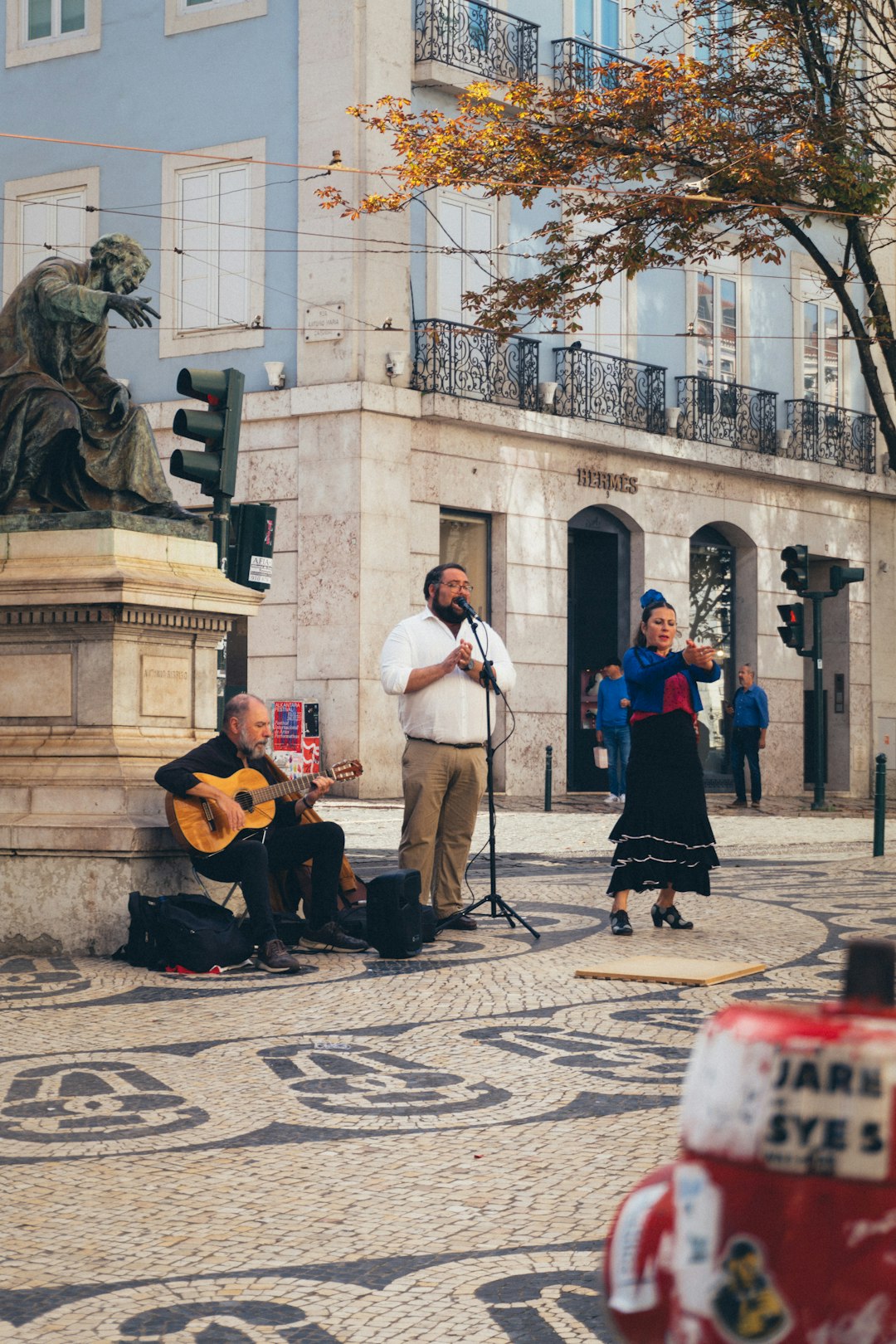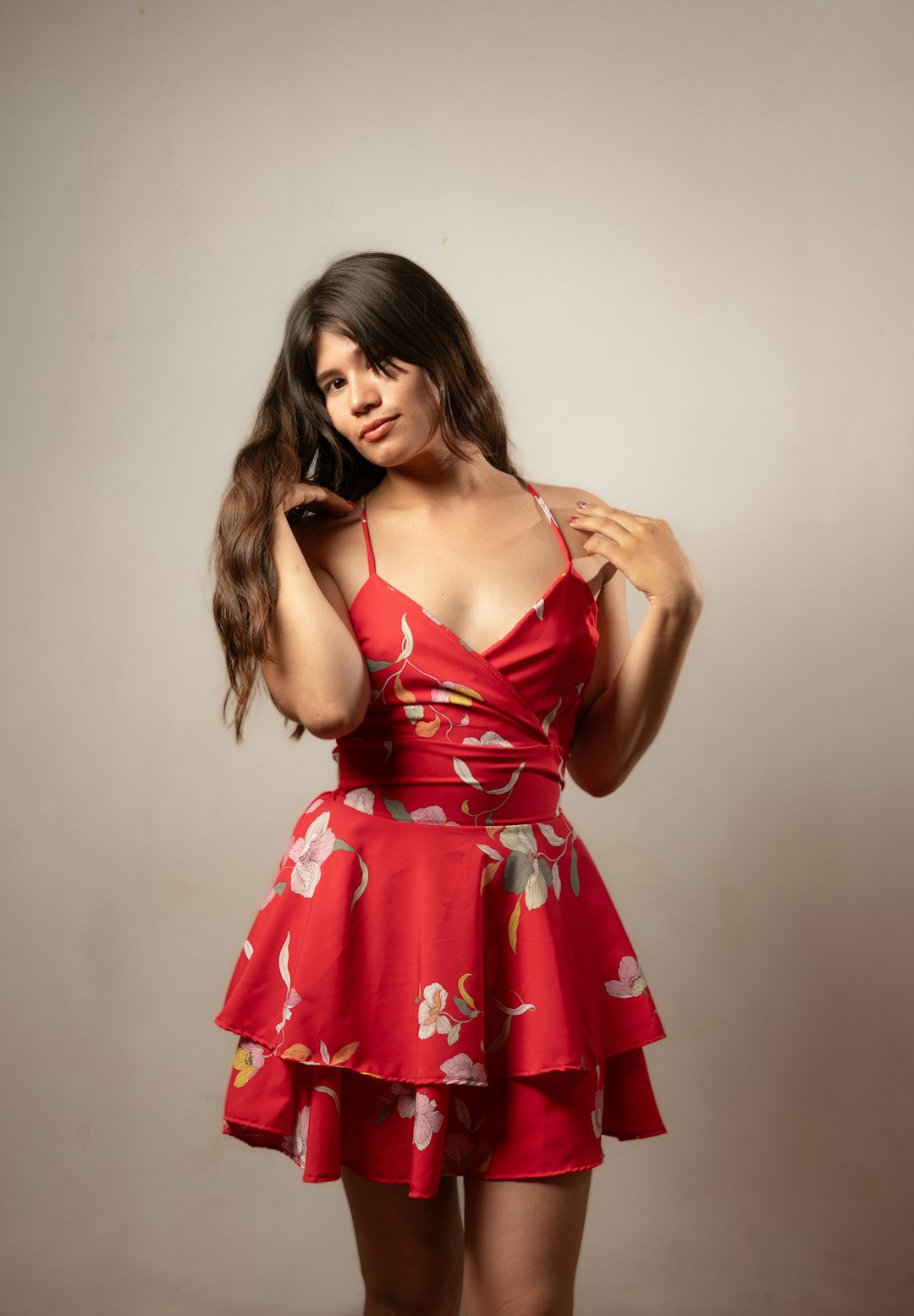
You've signed up for your first Lindy Hop class, or maybe you're heading to your inaugural social dance. Now you're standing in front of your closet wondering: What do people actually wear for this? The good news is that no one expects you to arrive in full 1940s regalia. The better news is that with a few smart choices, you can build a swing dance wardrobe that feels authentic, moves with your body, and won't empty your wallet.
Lindy Hop emerged from Harlem's Savoy Ballroom in the late 1920s, forged by African American dancers who blended jazz, tap, and breakaway moves into something entirely new. The dance exploded nationwide during the Swing Era, and with it came a distinctive fashion sensibility: practical enough for athletic movement, stylish enough for Saturday night. Today's Lindy Hop scenes span casual weekly socials to elaborate vintage balls, but the core principles remain unchanged—your clothing should help you connect with the music, your partner, and the floor beneath your feet.
Prioritize Movement: The Fit and Fabric Test
Before anything else, Lindy Hop is physical. You'll be swinging out, kicking, spinning, and dropping into low stances—all at tempos ranging from a relaxed 120 to a blistering 200+ beats per minute. Your outfit needs to keep up.
Fabrics that work: Look for breathable natural fibers (cotton, linen, rayon) with a touch of stretch. Vintage-inspired reproductions often use viscose or crepe that drapes beautifully and wicks moisture. Avoid stiff polyester that traps heat and doesn't recover well from sweat.
The movement test: Put on your prospective outfit and try this sequence: raise both arms overhead, bend into a deep squat, twist at the waist, and take a large step forward into a lunge. If anything pulls across the shoulders, rides up at the waist, or restricts your leg extension, it will fail you at hour two of a dance night.
Fit specifics for different bodies: High-waisted bottoms stay put better during spins than low-rise cuts. For dresses and skirts, look for waistbands that sit at your natural waist and hemlines that hit at or above the knee—anything longer can tangle with your partner's feet. If you wear fitted tops, ensure they don't gap when you raise your arms. Many dancers prefer wrap dresses or tops with strategic ruching that accommodates dynamic movement without constant adjustment.
What to avoid: Stiff petticoats that limit leg movement, restrictive waistbands that dig in when you bend, and anything requiring constant readjustment. Your attention belongs on your partner and the music, not on your clothing.
Channel the Era (Without Breaking the Bank)
You don't need authentic 1930s clothing to honor Lindy Hop's heritage. What matters is capturing the spirit—the playful confidence, the sharp lines, the sense of occasion.
For a feminine-presenting aesthetic: High-waisted circle skirts, fit-and-flare dresses, and wide-leg trousers reference the era while accommodating modern undergarments and movement needs. Look for details like keyhole necklines, decorative buttons, or contrast piping that evoke vintage style without costume excess. Reproduction brands like Emmy Design, Collectif, and Unique Vintage offer dance-friendly pieces in extended sizes, though their price points ($80-$200 per garment) may exceed beginner budgets.
For a masculine-presenting aesthetic: High-waisted trousers with forward pleats, suspenders, camp collar shirts, and unstructured sport coats create period-appropriate silhouettes. The "swing casual" look—well-fitted trousers, a button-down with rolled sleeves, and leather-soled shoes—works for most social dances without requiring full suiting.
The thrift store strategy: Authentic vintage in danceable condition is rare and fragile, but vintage-inspired pieces abound in secondhand shops. Search for: full skirts with elastic or side-zip waists, rayon blouses with shoulder pads (easily removed), wool trousers with generous leg width, and cotton cardigans. Target natural fibers and simple construction that won't disintegrate with sweat and movement.
The zoot suit connection: Lindy Hop's cultural roots include the zoot suit riots and Mexican American pachuco style—high-waisted, wide-legged trousers with long coats and fedoras. This history deserves acknowledgment beyond the mainstream "swing kid" aesthetic, and contemporary dancers of all backgrounds draw on these influences.
Footwear: Your Most Important Investment
Shoes separate enjoyable dancing from miserable dancing more than any other clothing choice. The wrong soles stick or slide unpredictably; the wrong fit blisters within an hour.
For follows (traditionally feminine role): Low heels (1-2 inches) or flats with secure ankle straps work best. Keds Champion canvas sneakers with suede soles glued to the bottom remain the