You're three songs into a Lindy Hop social, mid-kickout, when you hear the unmistakable rip of a seam. Your favorite skinny jeans just became a casualty of swing dancing's athletic demands.
This scenario plays out weekly at dance halls worldwide. Swing dancing—whether Lindy Hop, Charleston, Balboa, or West Coast Swing—demands clothing that works as hard as you do. Here's how to build a wardrobe that survives the night and elevates your dancing.
Start From the Ground Up: Footwear First
Before considering fabrics or silhouettes, address your foundation. Footwear determines your connection to the floor, your partner, and your physical safety.
What works:
- Leather-soled shoes for controlled slides and polished floors
- Suede-bottomed dance sneakers (Aris Allen, Remix, Bleyer) for versatility across venues
- Character shoes or Keds with arch support for followers who switch between dancing and sitting out
What to avoid:
- Rubber soles that grip aggressively (knee injury risk)
- Street shoes with inadequate support or cushioning
- Brand-new shoes without break-in time—blisters end nights early
Pro tip: Experienced dancers often carry a shoe bag with multiple options. Floor conditions vary; your footwear should too.
The Movement Test: Fabrics That Work
Swing dancing generates serious heat. Cotton and linen breathe, but modern dancers increasingly rely on moisture-wicking synthetics and dance-specific performance fabrics that manage sweat without clinging.
Before buying anything, do this test: raise your arms overhead, lunge deeply, and twist at the waist. If the garment restricts, rides up, or requires readjustment, it fails.
Garments that pass:
| For All Dancers | Women | Men |
|---|---|---|
| Flat-front dance pants with stretch panels | Circle skirts with 2+ yards of fabric | High-waisted trousers with suspender buttons |
| Moisture-wicking undershirts | Leotards or bodysuits as base layers | Vintage reproduction shirts (Collectif, Freddies of Pinewood) |
| Compression socks for long nights | Dresses with full skirts and fitted bodices | Dance sneakers with replaceable suede |
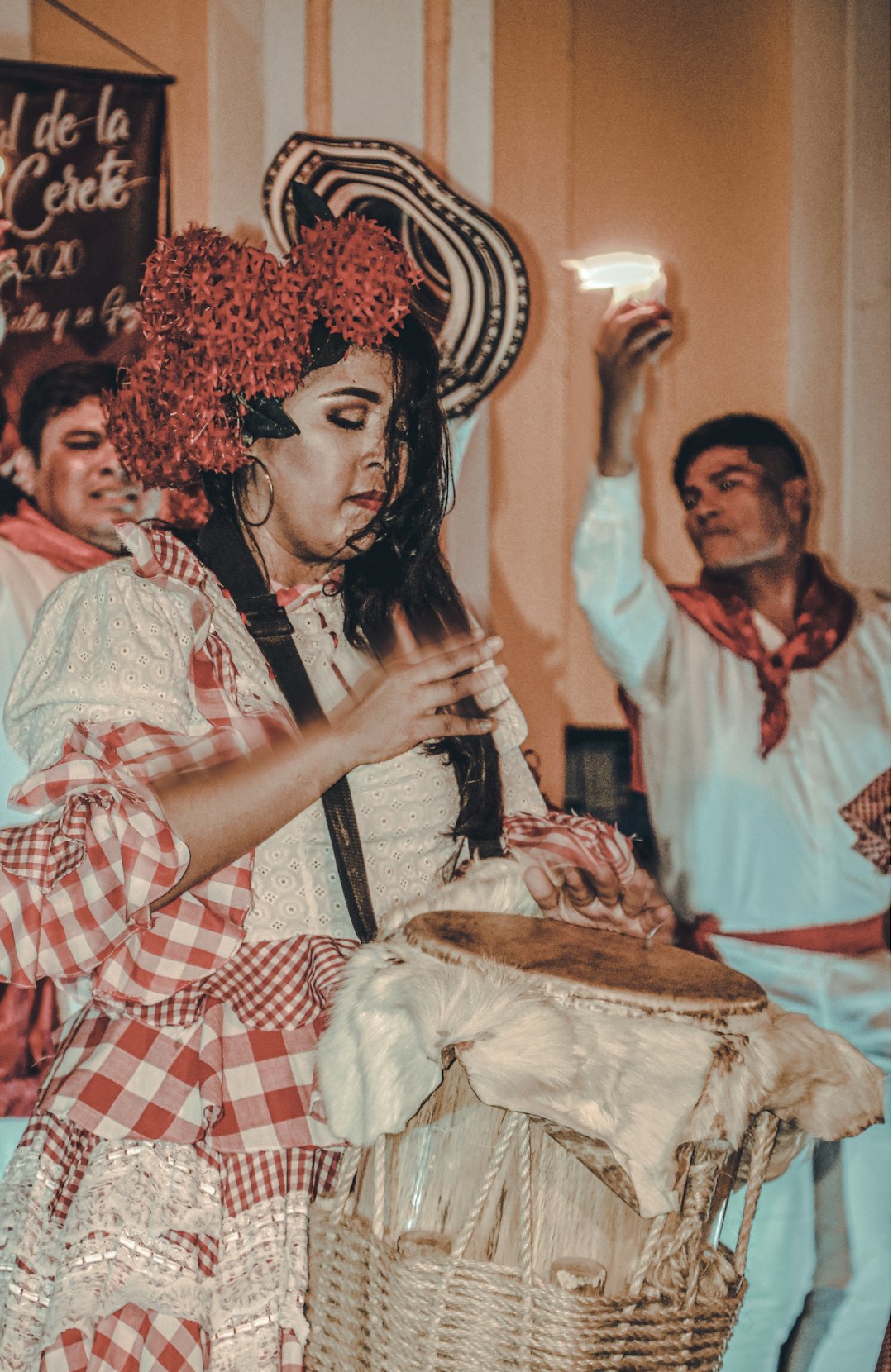
Critical detail for followers: A-line and circle skirts aren't merely aesthetic. The centrifugal force of turns lifts fabric dramatically. Insufficient skirt volume creates awkward moments and restricts movement. Two yards minimum for authentic swing silhouettes.
Silhouette and Style: Finding Your Era
What separates a swing dancer from someone who merely dresses vintage? Movement-appropriate construction.
Swing dance fashion draws from specific historical periods—primarily 1920s-1940s—with distinct regional variations. Your chosen style should align with your preferred dance:
- Lindy Hop (1930s-40s): Athletic, roomy cuts allowing for kicklines and aerials
- Balboa: Sleeker silhouettes suited to close embrace and intricate footwork
- Charleston: Drop-waist dresses, looser fits for the dance's exuberant kicks
- West Coast Swing: Contemporary flexibility, often modern interpretations
Rather than prescribing "flattering" choices based on body type, focus on what facilitates your role and movement. Full skirts work beautifully on all frames when properly constructed with waistbands that stay put. Fitted garments should include stretch panels or gussets—not restrict breathing or stride.
Practical Details: Pockets, Layers, and Quick Changes
Experienced dancers plan for reality.
Pockets matter enormously for leads. You need secure storage for your phone, keys, and event pass without disrupting your partner's connection to your frame. Look for trousers with deep side pockets or interior waistband pockets.
Layer strategically. Dance halls fluctuate between overheated and air-conditioned. A moisture-wicking base layer, breathable mid-layer, and light wrap or cardigan handle temperature swings without costume changes.
Pack a small repair kit: safety pins, fashion tape, and a needle with black and white thread. Wardrobe malfunctions happen; preparation separates professionals from those heading home early.
Building Your Starter Wardrobe
Begin with versatile pieces that mix across styles:
Foundation (purchase first):
- One pair of properly fitted dance shoes
- Two pairs of dance pants or shorts with stretch
- Three moisture-wicking tops
Expansion:
- One circle skirt or dress with genuine swing volume
- One vintage-inspired outfit for themed events
- Compression underlayers for marathon dance weekends
Maintenance:
- Shoe brush for suede soles
- Fabric refresher spray
- Dedicated dance bag separating clean and worn items
The best swing dance wardrobe disappears. You stop thinking about what you're wearing and start living entirely in the music, the movement, and your partner's connection. Build thoughtfully, test rigorously, and dance freely.