You've finally worked up the courage to attend your first swing dance. You've watched the videos, maybe practiced a few basic steps in your kitchen. But now you're standing in front of your closet wondering: Can I really wear this?
The difference between a magical night of effortless spins and a sweaty, self-conscious slog often comes down to what you put on your body. Here's everything beginners actually need to know about dressing for swing dancing—from Lindy Hop exchanges to West Coast Swing socials.
Know Your Scene: Vintage, Modern, or Competition?
Before you choose an outfit, understand where you're going. Swing dancing spans multiple subgenres with wildly different dress codes.
Vintage/Retro Events (Lindy Hop, Balboa)
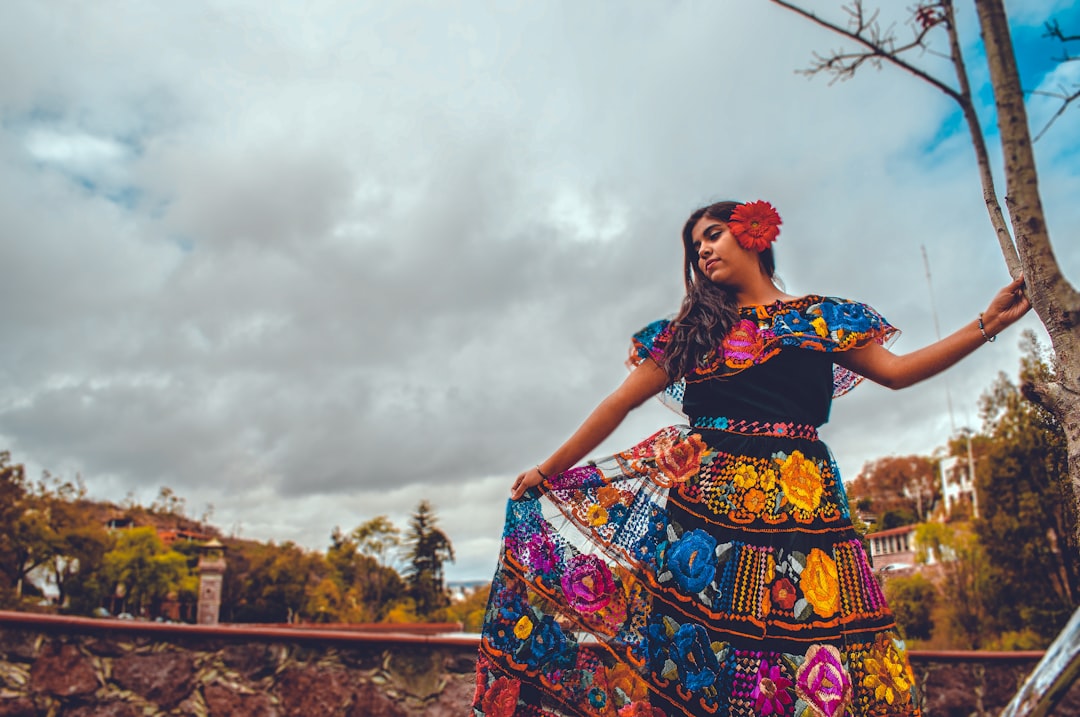
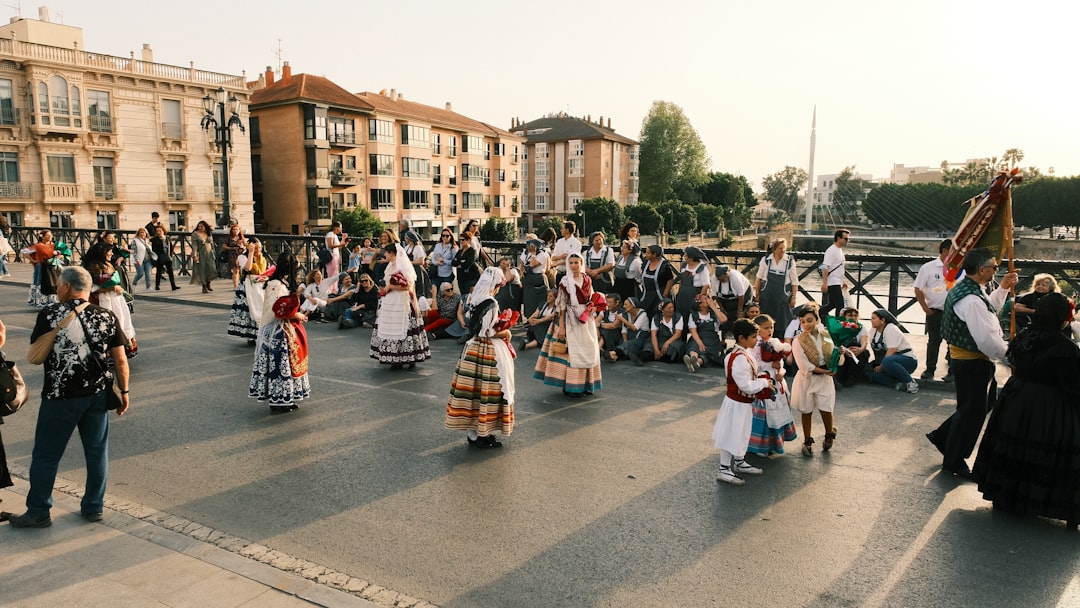
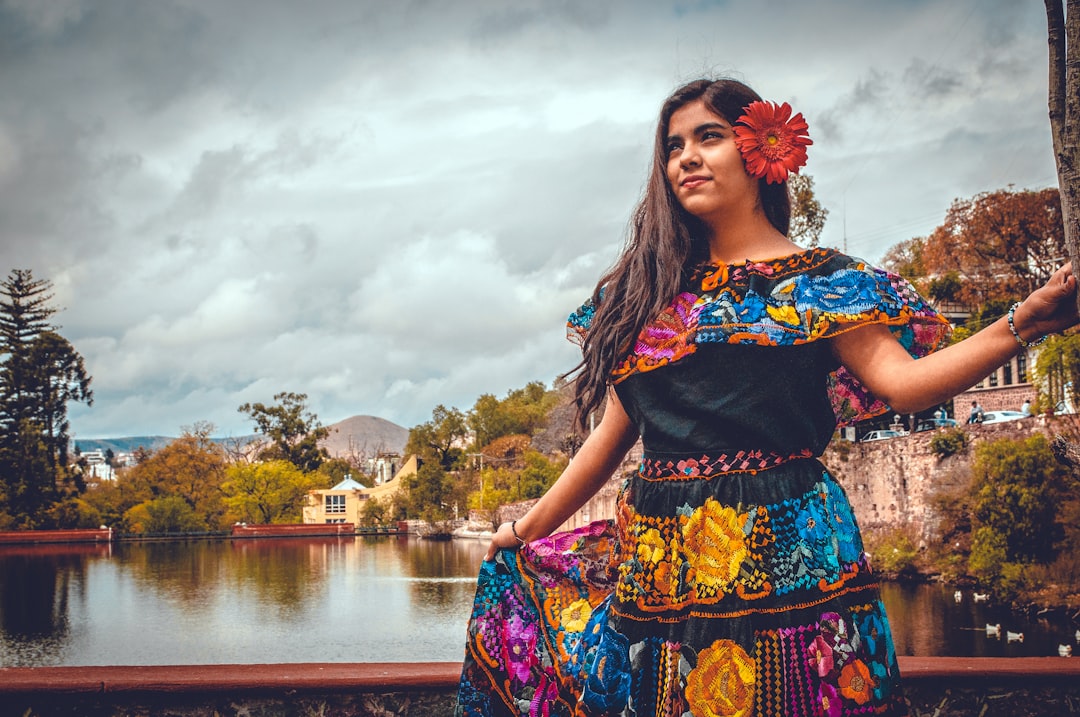
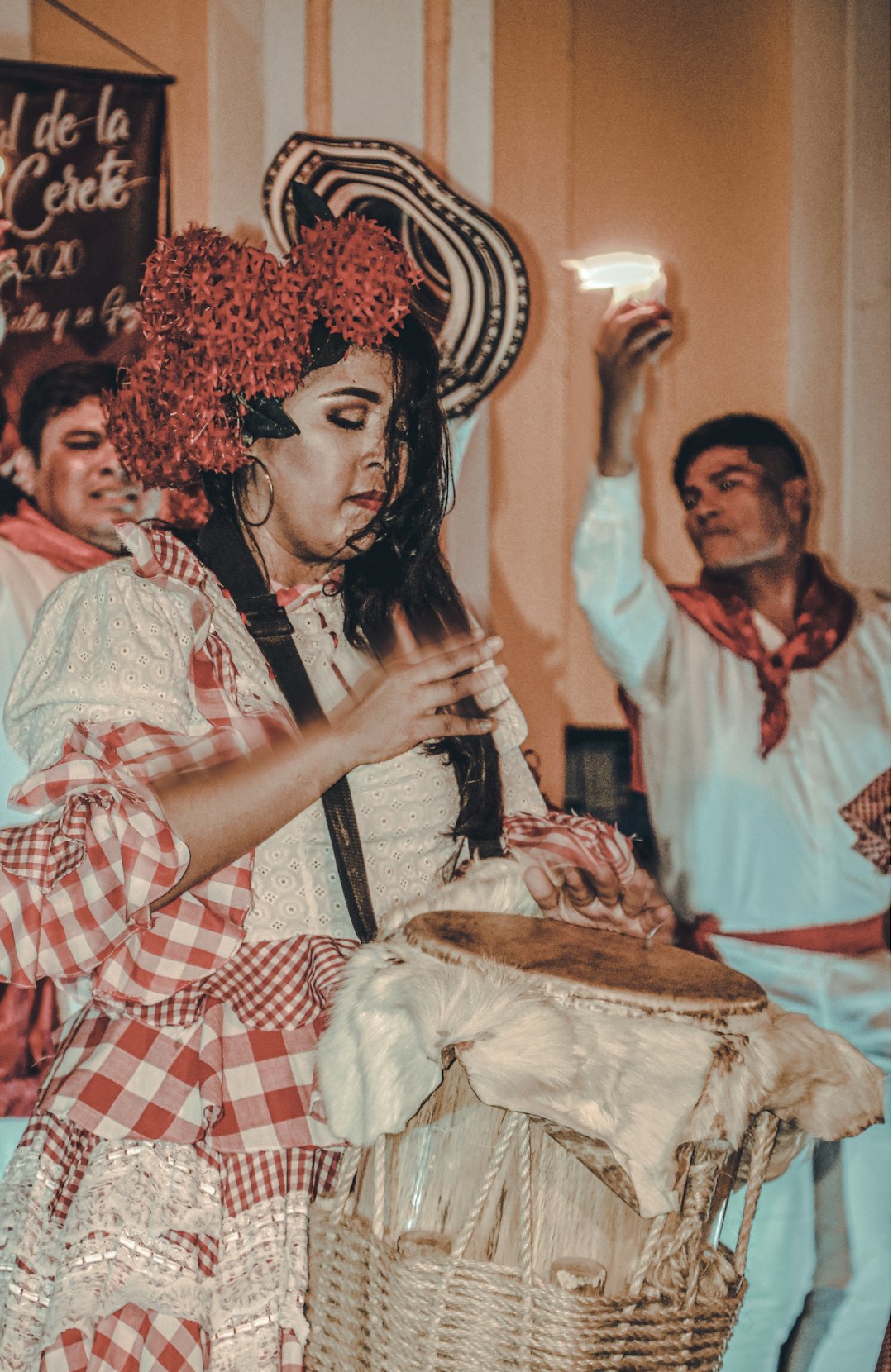
Think 1930s-40s aesthetics: high-waisted trousers, full skirts, suspenders, and fedoras. These crowds embrace period authenticity, but you won't be turned away in modern clothes. When in doubt, add one vintage-inspired piece—a floral dress, a bow tie, a hair flower—to signal respect for the culture.
Modern Social Dances (West Coast Swing, Fusion)
Contemporary casual reigns here. Dark jeans, fitted tops, and clean sneakers or dance shoes work perfectly. Avoid anything too baggy (your partner needs to find your back) or too revealing (you'll be in close embrace with strangers).
Competitions and Exchanges
These multi-day marathons demand performance fabrics and strategic packing. We'll cover both below.
Build Your Foundation: Clothing That Moves
Swing dancing is athletic. You'll execute quick footwork, spins, dips, and potentially aerial movements across two to four hours of continuous movement. Your clothes need to keep up.
Fabric Strategy
| Situation | Best Choice | Avoid |
|---|---|---|
| Casual social dance (1-2 hours) | Cotton, breathable blends | Heavy denim, stiff fabrics |
| Intensive workshop or exchange | Moisture-wicking technical dancewear | Linen (wrinkles severely), pure polyester |
| Layering for temperature shifts | Light cardigan, button-up over tank | Bulky sweaters, anything you can't tie around your waist |
Pro tip: Bring an extra shirt. Even "light sweaters" become soaked after an hour of vigorous dancing. Pack a small bag with backup layers, mints, and a travel-sized deodorant.
Fit Guidelines by Style
For follows (traditionally women/non-binary dancers):
Full skirts with built-in shorts or bike shorts underneath prevent wardrobe malfunctions during spins. Wrap dresses seem perfect until they unwrap mid-dip—opt for secure closures. Heel heights of 1.5-2 inches flatter your line without compromising stability.
For leads (traditionally men/non-binary dancers):
Fitted shirts stay tucked; excess fabric bunches uncomfortably during close embrace. High-waisted trousers with some stretch accommodate deep knee bends. Suspenders beat belts—they don't dig into your partner's hands during turns.
The Shoe Situation: Your Most Critical Decision
Nothing ruins a dance faster than wrong footwear. Here's what actually works:
The Gold Standard: Suede-Soled Dance Shoes
These provide controlled slide for spins and styling while maintaining enough grip for stability. Brands like Aris Allen, Remix, and Dancestore offer vintage-inspired options; modern dancers often prefer ballroom suppliers like Very Fine or Capezio.
Acceptable Alternative: Smooth Leather Soles
Street leather soles work in a pinch, though they wear unevenly and lack the precision of dance-specific construction.
The Problem: Rubber Soles
Street rubber grips too aggressively, forcing your knees and ankles to absorb torque that should slide through your feet. If rubber is your only option, choose minimally treaded soles and test their slide on the venue floor before attempting complex moves. Some dancers carry a small piece of suede or dance socks to slip over rubber soles for emergency improvisation.
Break-in Warning: Never wear brand-new shoes to a long event. Dance at home for several hours first. Blisters form fast when you're doing hundreds of weight shifts per hour.
Accessorize Smartly
The right accessories elevate your look; the wrong ones become hazards.
Wins:
- Light scarves (securely knotted, short length)
- Pocket squares (no sharp pins)
- Hair flowers with alligator clips (not combs that stab partners)
- Wristbands for sweat management
Avoid:
- Long necklaces (wrap dangerously around follows' necks during turns)
- Dangling earrings (rip out painfully on shoulder catches)
- Rings with stones (scratch partners' hands)
- Heavy belts with prominent buckles (dig into embrace)
Your Dance Bag Essentials
Veterans never arrive empty-handed. Pack:
- Extra shirt (non-negotiable)
- **Small towel