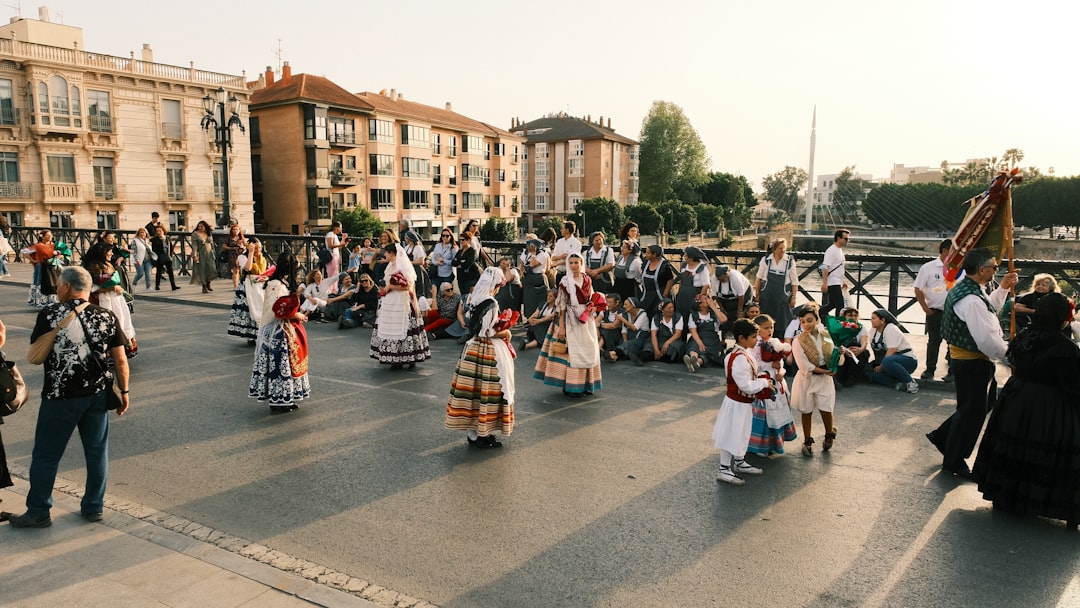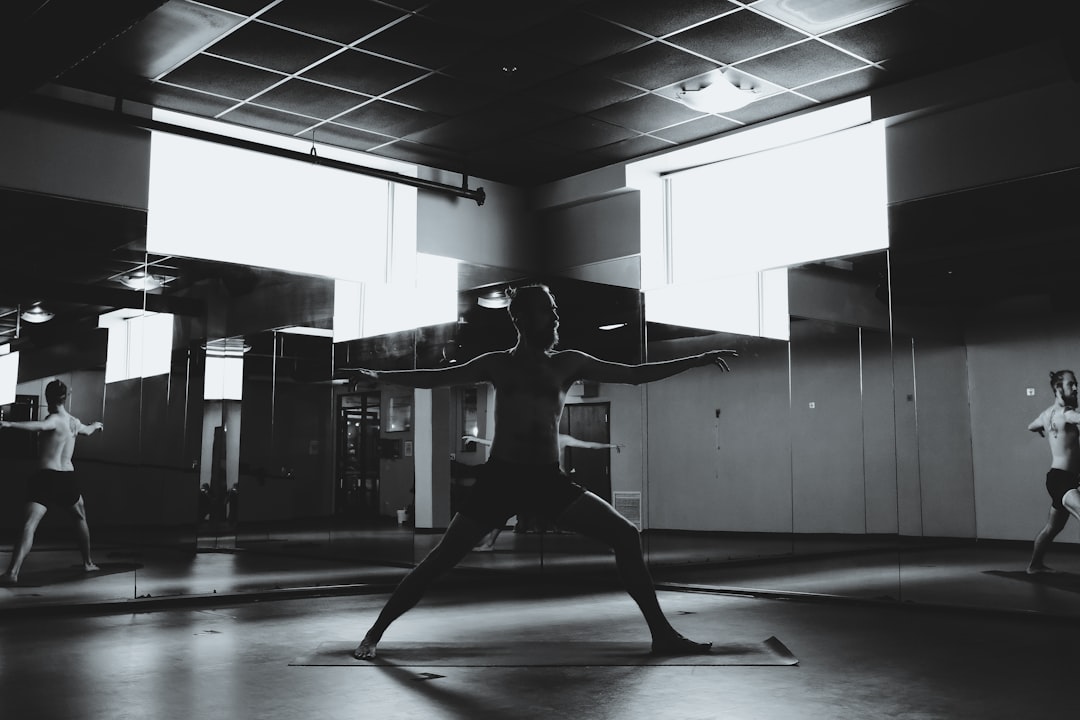
Welcome to the world of Swing dancing! Whether you're stepping onto the dance floor for the first time or looking to build a solid foundation, this guide will walk you through four essential moves drawn from Lindy Hop and East Coast Swing—two of the most popular and accessible Swing styles. These moves form the core vocabulary that every new dancer should know.
A quick note before you begin: Dance is a visual art. While this guide breaks down each move step by step, we highly recommend watching video tutorials or taking a beginner class to see these movements in action. Nothing replaces learning from an experienced instructor who can give you real-time feedback.
Before You Start: Posture, Connection & Rhythm
Good dancing starts before you take your first step. Keep these fundamentals in mind:
- Posture: Stand tall with your knees slightly soft, your core engaged, and your weight forward over the balls of your feet.
- Connection: Maintain a relaxed but responsive frame with your partner. In closed position, leaders typically place their right hand on the follower's back; followers rest their left hand on the leader's shoulder or upper arm.
- Rhythm: Swing music is structured in 8-count phrases (groups of eight beats). Most Swing moves fit into 6-count or 8-count patterns. Listen for the pulse of the music and try to match your steps to the beat.
1. The Basic Step (East Coast Swing, 6-Count)
The 6-count basic is the most common entry point for new Swing dancers. It works for a wide range of tempos and sets you up for countless variations.
Leaders' footwork:
- Step left (1), step right (2)
- Rock step back on left, replace weight to right (3, 4)
- Step left (5), step right (6)
Followers' footwork: Mirror the leader—step right, step left, rock step back on right, step right, step left.
Timing: You can dance this in single time (1, 2, 3, 4, 5, 6) or triple time (1, 2, 3-a-4, 5-a-6), where the triple step is three quick steps taken over two beats. Triple time is the classic bouncy Swing look.
Tip: Keep your steps small and under your body. Big steps throw off your balance and make it harder to stay on time.
2. The Swing Out (Lindy Hop, 8-Count)
The Swing Out is the signature move of Lindy Hop. It opens and closes the dance frame, giving both partners space to express themselves while staying connected.
- Start in closed position.
- Counts 1–2: Both partners rock step—leader back on left, follower back on right.
- Counts 3-a-4: Leader triple-steps to the left, opening into a side-by-side position while guiding the follower forward with the left hand. The follower triple-steps forward and slightly to the right.
- Counts 5-a-6: Leader triple-steps back to the right, closing back into closed position. The follower triple-steps backward, often adding a swivel or stylish flourish on 5-6.
Tip: The Swing Out is not about pulling or pushing your partner. Think of it as creating and closing space through your own body movement. Leaders steer with their center and right arm; followers travel through the open slot.
3. The Lindy Circle (Lindy Hop, 8-Count)
The Lindy Circle looks similar to a Swing Out at the start, but instead of opening into a line, you and your partner travel continuously around each other in a circle.
- Start in closed position.
- Counts 1–2: Rock step together—leader back on left, follower back on right.
- Counts 3-a-4: Both partners triple-step, beginning to arc around each other. The leader steps left and slightly forward; the follower steps right and forward.
- Counts 5-a-6: Continue the circular path. The leader uses their right arm to gently steer the follower around, while both partners triple-step to complete the rotation and return to closed position.
How it differs from the Swing Out: The Swing Out moves in a straight line out and back. The Lindy Circle maintains continuous rotational momentum. Feel the difference by imagining the Swing Out on a railroad track and the Lindy Circle on a merry-go-round.
4. The Charleston (Lindy Charleston / 1920s Charleston)
The Charleston injects high energy and playfulness into your dancing. In partner dancing, you'll most often encounter tandem Charleston (facing each other) or side-by-side Charleston