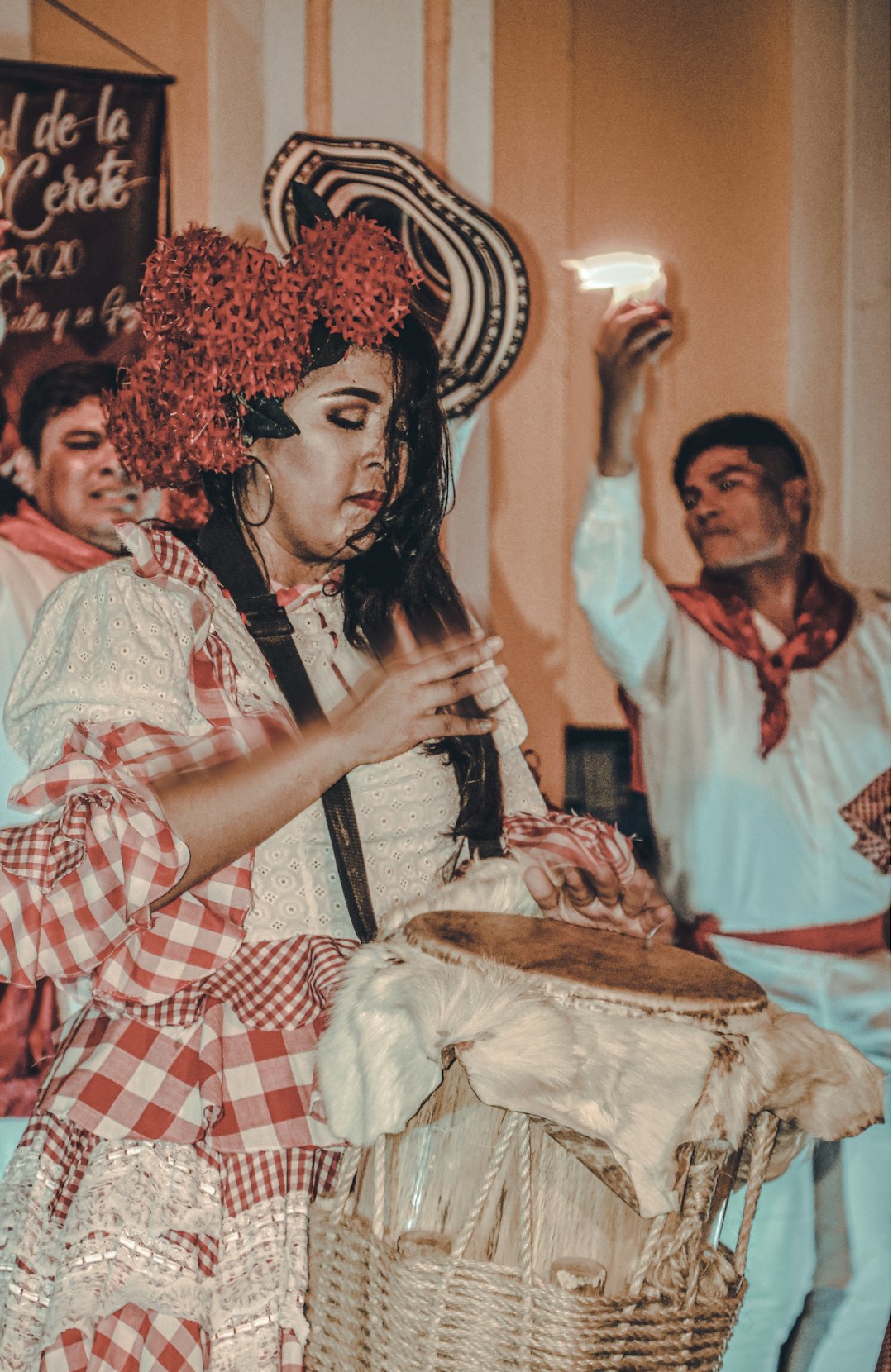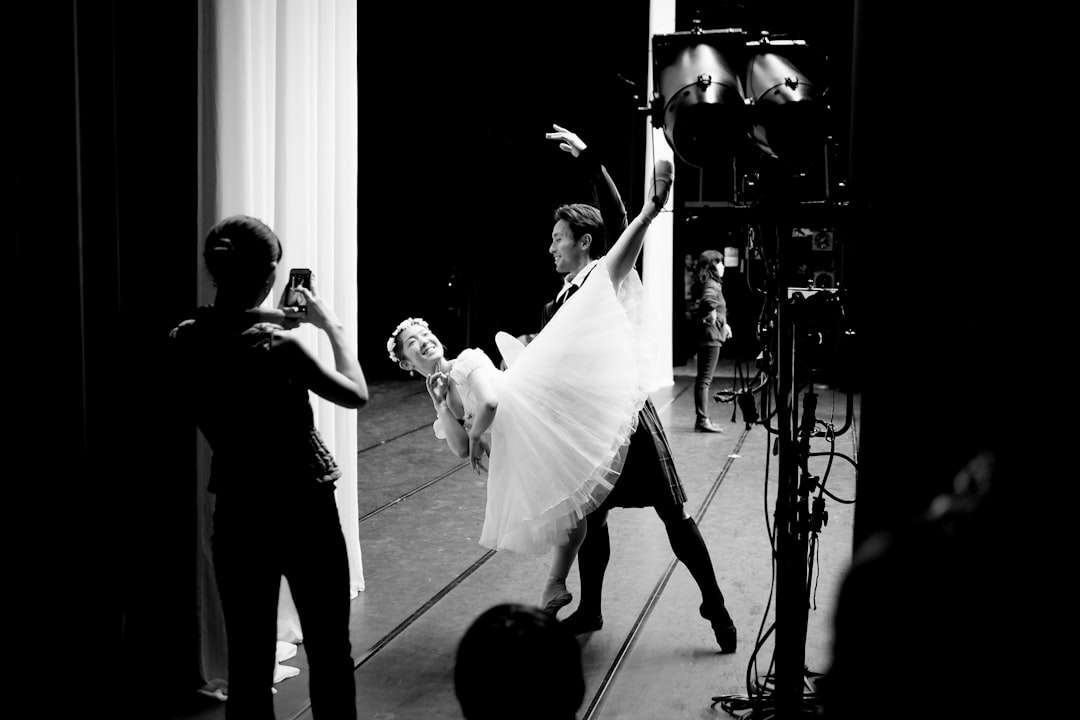
You hear the brass section kick in. The tempo pulls at your feet. Across the room, a couple breaks into a whirl of energy—kicks, turns, and that unmistakable bounce. This is Swing dancing, and contrary to what your nervous inner voice suggests, you don't need natural rhythm or years of training to join in. What you need is a clear starting point, a willing partner, and about fifteen minutes to learn your first basic step.
This guide covers the foundational elements that actually get you moving: specific footwork patterns, the difference between major Swing styles, and practical techniques you can practice tonight. By the end, you'll know exactly what to do when that next song starts.
What Is Swing Dancing, Really?
"Swing dancing" is an umbrella term covering multiple partner dance styles that emerged from African American communities in Harlem during the 1920s and 1930s. Born in venues like the legendary Savoy Ballroom, these dances evolved alongside jazz music, particularly the swinging rhythms of big band orchestras.
The key insight for beginners: not all Swing dancing looks or feels the same. The style you learn first shapes everything that follows.
The Three Swing Styles Every Beginner Should Know
Before stepping onto any dance floor, understand which style suits your goals:
East Coast Swing (Triple Step Swing)
- Best for: Absolute beginners, social dancers, wedding receptions
- Rhythm: 6-count patterns (rock step, triple step, triple step)
- Feel: Bouncy, compact, forgiving at slower tempos
- Tempo: 120–140 BPM for learning
Lindy Hop (The Original Swing)
- Best for: Dancers wanting athletic, expressive movement
- Rhythm: 8-count patterns including the signature "swingout"
- Feel: Stretchy, improvisational, with aerials at advanced levels
- Tempo: 140–180 BPM traditionally
West Coast Swing
- Best for: Dancers who love R&B, blues, and contemporary music
- Rhythm: Variable, often 6-count with elongated "anchor steps"
- Feel: Smooth, slotted (dancers move along a line), highly technical
- Tempo: 80–120 BPM common
This guide focuses on East Coast Swing fundamentals—the most accessible entry point with transferable skills to other styles.
The Foundation: Triple Step Footwork
The triple step is the engine of Swing dancing. Without it, you have no bounce, no flow, no Swing. Here's exactly how to build it:
The Basic Pattern (Side Triple Step)
Counts 1-and-2 (three weight changes in two beats):
- Step your left foot to the side (count "1")
- Step your right foot quickly beside the left (count "&" or "and")
- Step your left foot to the side again (count "2")
You've taken three steps in the space of two musical beats. The middle step is smaller, creating a syncopated rhythm: STEP-step-STEP.
Practice this: Start with feet together. Triple step left. Bring feet together. Triple step right. Repeat until the weight transfer feels automatic.
The 6-Count Basic (East Coast Swing)
Put it all together with a partner in closed position (facing each other, leader's right hand on follower's shoulder blade, follower's left hand on leader's shoulder, opposite hands joined at eye level):
| Count | Leader's Footwork | Follower's Footwork |
|---|---|---|
| 1 | Rock back on left foot | Rock back on right foot |
| 2 | Replace weight to right foot | Replace weight to left foot |
| 3-and-4 | Triple step left-right-left | Triple step right-left-right |
| 5-and-6 | Triple step right-left-right | Triple step left-right-left |
Critical detail: The "rock step" (counts 1–2) happens in place—don't travel backward. This keeps you connected to your partner and the music's pulse.
Frame, Connection, and Leading
Steps without connection are just aerobics. Here's what transforms movement into partner dancing:
Frame
Maintain a comfortable, elastic posture: elbows lifted, shoulders relaxed, core engaged. Think "ready to move" rather than "rigid." Your frame is the communication channel—keep it clear.
Connection
Swing dancing operates through tension and compression:
- Tension: Gentle outward pull in closed position creates shared balance
- Compression: Weight moving toward each other stores energy for turns
Too loose, and you can't lead or follow. Too tight, and you fight each other. Aim for "tone"—like holding a firm handshake through your entire upper body.