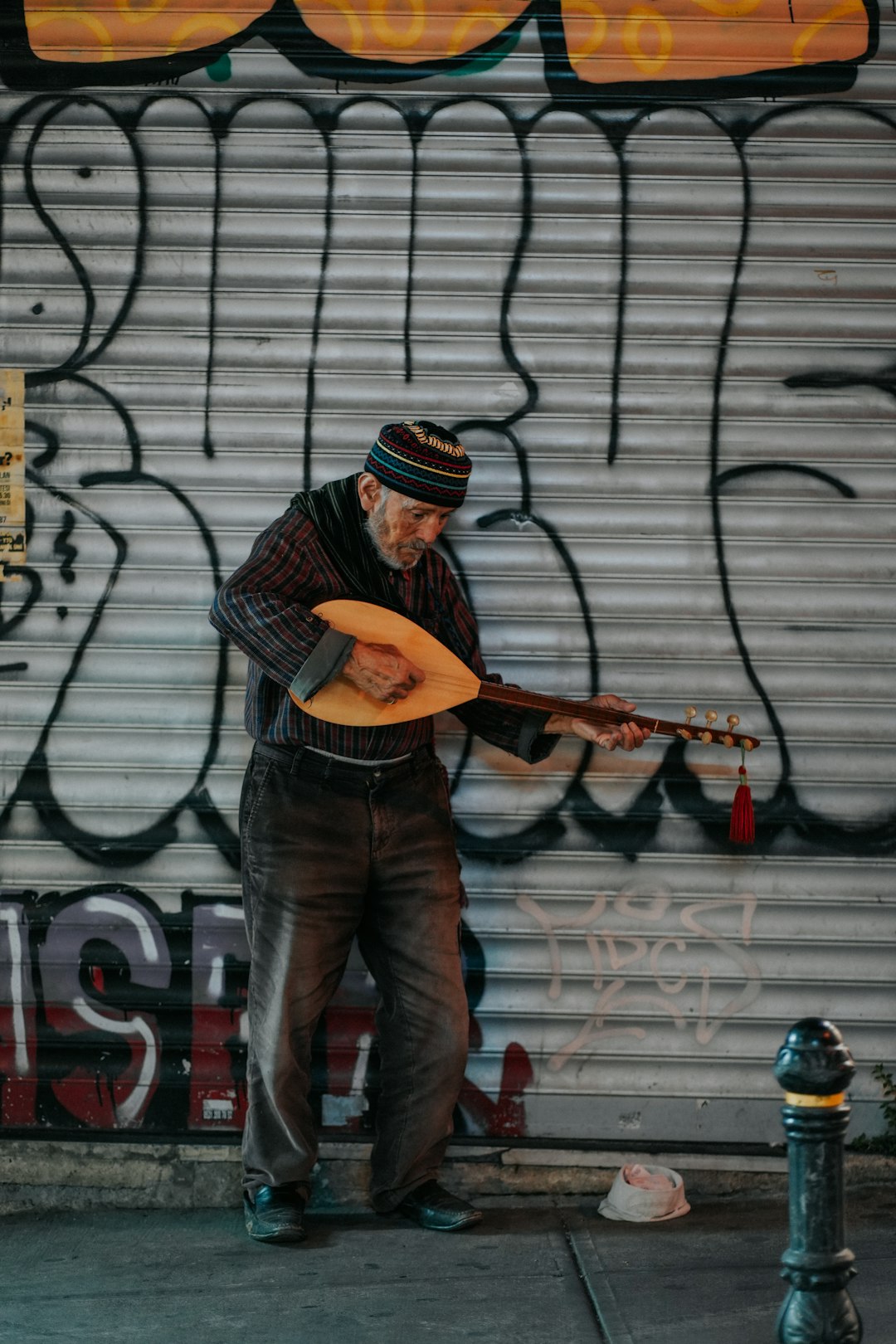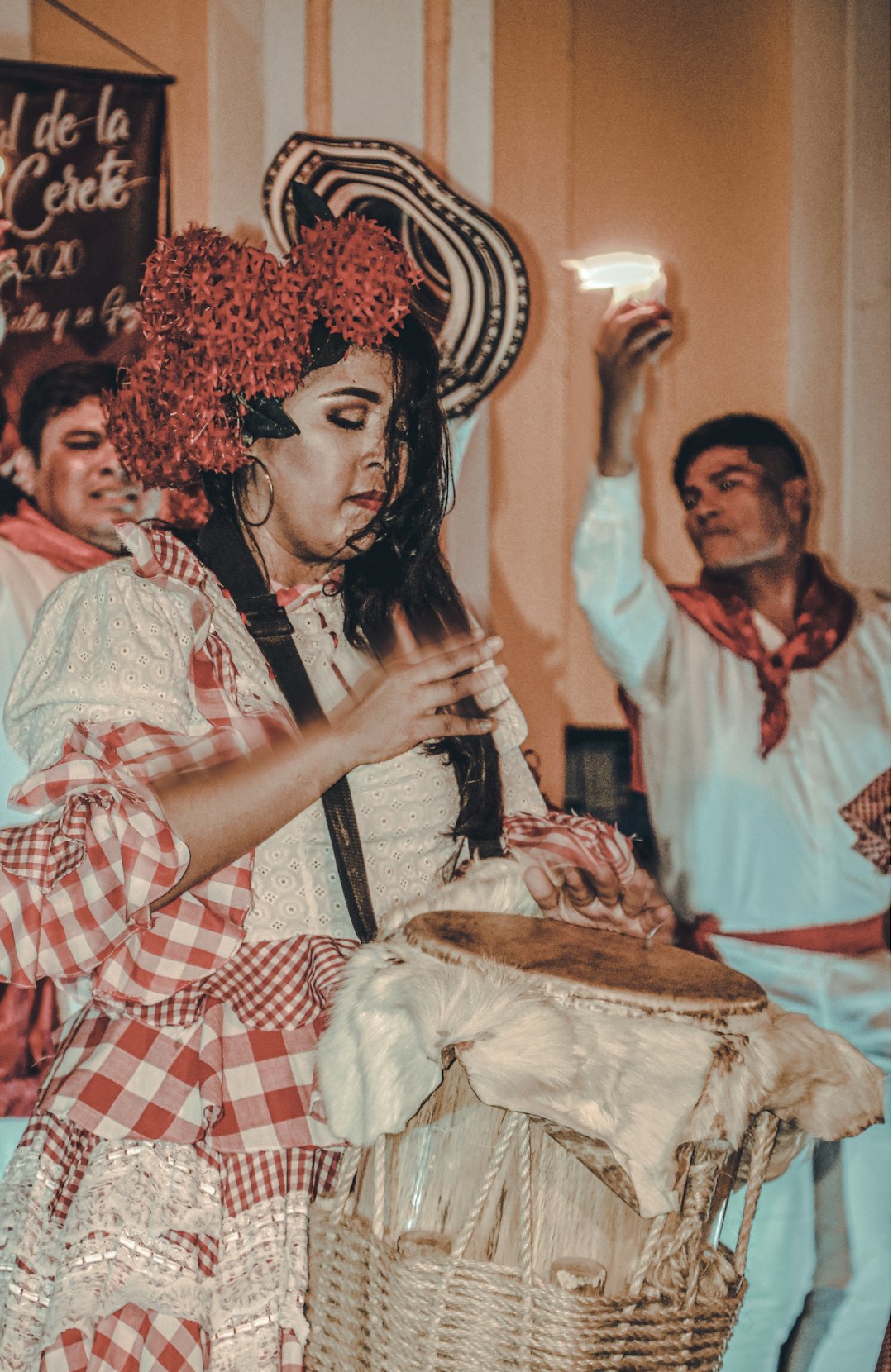
At 7:30 on a Thursday evening, the second floor of a converted warehouse on Federal Street is already vibrating. Inside The Jitterbug Joint, forty pairs of feet are finding the beat of a live jazz quartet while instructor Dani Okonkwo calls out the eight-count through a vintage microphone. This is swing dancing in Macy City—unguarded, sweaty, and unexpectedly democratic.
You don't need prior training, a partner, or particularly good rhythm. You do need to know where to go. We spent four weeks visiting classes, interviewing instructors, and testing first-timer policies across Macy City's swing scene to find the studios worth your summer evenings. The four below represent the clearest destinations for distinct types of dancers, from the curious absolute beginner to the performer training for competition.
At a Glance: Which Studio Fits You?
| Studio | Best For | Drop-In Price | First-Timer Deal |
|---|---|---|---|
| The Jitterbug Joint | Beginners and social dancers | $18 | $10 introductory class |
| Lindy Loft | Partner-connection purists and small-group learners | $25 | First class free |
| Swing City Academy | Serious students and aspiring performers | $22 (drop-in); intensives priced separately | Free placement audition |
| The Charleston Club | Nostalgia lovers and experience seekers | $20 | $15 with vintage dress code |
The Social Hub: The Jitterbug Joint
Federal Street, Downtown | Best for beginners building confidence
If you're new to swing, start here. The Jitterbug Joint runs the largest social scene in Macy City, and its Monday and Wednesday beginner drop-ins regularly draw twenty to thirty students. Owner Dani Okonkwo, a former Broadway ensemble dancer, structures classes so that no one partners with the same person for more than ten minutes—an intentional choice that dissolves the awkwardness of arriving alone.
The summer calendar is unusually dense. June brings a four-week Lindy Hop crash course; July features weekly social dances with rotating live bands in the main hall. The building itself helps: a 3,200-square-foot sprung maple floor, original exposed brick, and a balcony where observers can watch without pressure. Parking is available in the adjacent Federal Street Garage, validated for three hours.
First visit: Arrive fifteen minutes early. Shoes with leather or suede soles are recommended; the front desk loans them for free if you call ahead.
The Technique Purist: Lindy Loft
Harrison Hill, East Macy | Best for ballroom crossovers and connection-focused dancers
Tucked above a bakery on Harrison Hill, Lindy Loft occupies just 900 square feet—intentionally. Founder Petra Lindström caps beginner classes at eight students and intermediate sessions at six, creating the kind of detailed feedback loop that larger studios cannot replicate. Lindström, who trained in Stockholm and competed on the European swing circuit for a decade, designs curricula around partner connection rather than memorized routines.
The summer series departs the studio entirely for three outdoor events: a sunset class at Riverside Park (June 15), a pier session at Deckman Street (July 20), and a rooftop gathering at the Harrison Hill Arts Building (August 10). These are included in the monthly membership ($95) or available à la carte for $30.
First visit: The first class is free, but registration is required forty-eight hours in advance due to capacity limits. Street parking only.
The Training Ground: Swing City Academy
Northside Industrial District | Best for committed students and performers
Swing City Academy does not flirt with casual participation. The Northside facility—four studios, locker rooms, and a 150-seat theater—runs a tiered curriculum that progresses from Fundamentals through Performance Track over eighteen months. Instructors include Marco Torres, a 2023 International Lindy Hop Championship finalist, and local historian Dr. Amara Bennett, who teaches a required seminar on swing's origins in Harlem's Savoy Ballroom.
The summer intensive, held across three weekends in July, culminates in a student showcase on August 3. Admission is by audition ($25, credited toward tuition if accepted). Drop-in classes are available for visitors who want to sample the instruction without committing to the full track.
First visit: Schedule a free placement audition to determine your level. The academy is accessible by the Blue Line (Northside Station, three blocks away).
The Experience Seeker: The Charleston Club
Old Market Quarter | Best for nostalgists and party atmospheres
Step through the art-deco doors of The Charleston Club and you are greeted by a barman in suspenders and a phonograph playing Fletcher Henderson. This studio built its reputation on immersion. Every class begins with a ten-minute historical vignette—June focuses on the 1920s, July on the 1930s