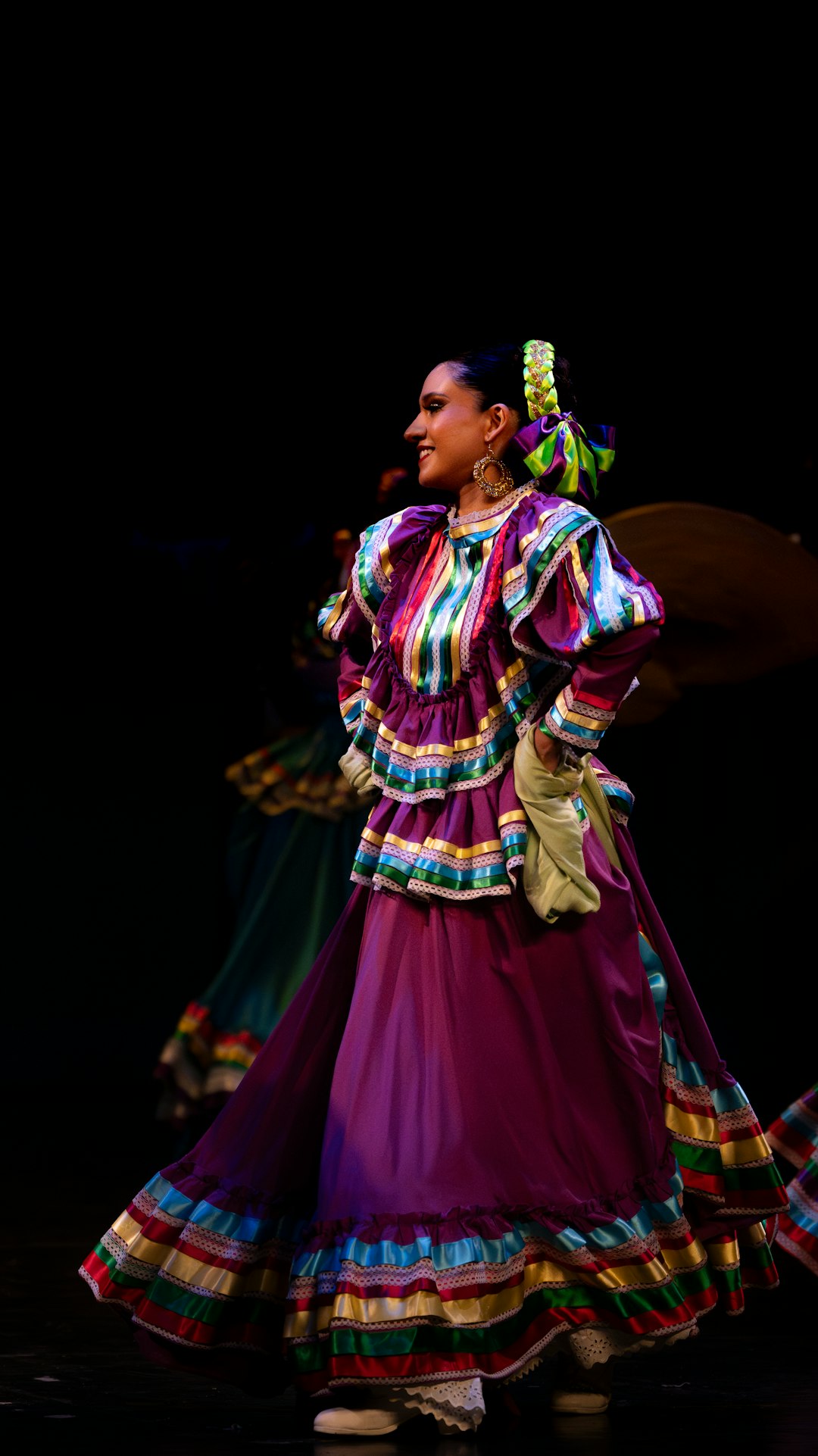
Walk into any Buenos Aires milonga at midnight, and you'll notice something immediately: tango dancers dress with intention. The right accessories don't just complete your outfit—they signal your seriousness to potential partners, respect for the tradition, and practical awareness of three hours of close embrace dancing. Whether you're preparing for your first social dance or refining your look for a performance, this guide covers the accessories that matter in authentic Argentine tango.
Why Accessories Matter in Tango Culture
Unlike other partner dances, tango operates within a nuanced social code. Your choices communicate before you take your first step. A follower wearing proper tango heels signals experience to potential leads. A lead in well-maintained dance shoes demonstrates respect for partners' feet. Accessories in tango aren't decorative afterthoughts—they're functional tools and cultural signifiers.
The distinction between styles matters too. Traditional milonga attire differs sharply from the experimental aesthetic of tango nuevo or the earthy sensibility of canyengue. Understanding where you're dancing shapes every accessory choice that follows.
Shoes: Your Foundation on the Dance Floor
For Followers
Tango heels are engineered differently than standard dance shoes. Look for:
- Heel height of 2–3 inches (5–7.5 cm) to distribute weight forward onto the balls of your feet, enabling the signature tango posture
- Ankle straps or T-straps for stability during quick weight changes and pivots
- Open-toe designs to accommodate foot expansion during long evenings and prevent toenail damage
- Leather or suede soles—never rubber, which grips too aggressively for tango's characteristic pivots and ochos
Brands like Comme Il Faut, Darcos, and Turquoise have earned trust in the global tango community for construction that survives years of adornos—those decorative foot embellishments that demand precise shoe response.
For Leads
Your requirements differ but are equally specific:
- Cuban heels of approximately 1 inch (2.5 cm) for subtle elevation without compromising balance
- Lace-up oxfords or slip-ons with secure fit—your partner will feel any heel slippage through the embrace
- Thin, flexible soles to transmit subtle lead signals through the floor
Break in new shoes at home. Blisters formed during your fourth tanda of the evening end nights early.
Clothing Embellishments: Sparkle With Purpose
Tango rewards visual drama, but context determines how much.
Traditional milongas in Buenos Aires or established European scenes favor understated elegance: a single sequined detail, subtle beading along a neckline, or quality fabric that catches light without shouting. Performance settings or alternative milongas welcome bolder statements—full sequined skirts, dramatic back cutouts, or architectural ruffles that accentuate leg movements.
Practical consideration: embellishments must survive sweat. Tango is physically demanding. Choose sequins sewn, not glued. Avoid appliqués at friction points (underarms, waistbands) where partner contact occurs.
Jewelry: Bold But Safe
Statement pieces elevate your presence, but tango's close embrace creates unique constraints.
Recommended
- Post-back earrings that won't catch in your partner's clothing or hair
- Short pendant necklaces or chokers that rest above the collarbone
- Cuff bracelets for leads, worn on the non-embrace arm
- Rings worn on non-dominant hands to protect partners from accidental contact
Avoid
- Dangling earrings that can whip against your partner's face during ochos
- Long necklaces that tangle in embrace
- Sharp-edged rings or bracelets that bruise partners during close hold
- Brooches or pins at shoulder or chest level—inevitable contact points
For leads, cufflinks in silver or matte black signal attention to detail without competing for attention. In traditional settings, suspenders remain a respected alternative to belts, their vertical lines elongating the torso.
Scarves, Shawls, and Cover-Ups: Elegance in Transition
The abrigo—the act of escorting your partner to and from the dance floor—creates moments where accessories shine. A lightweight silk or cashmere shawl serves multiple functions:
- Warmth during breaks between tandas
- Elegance during the cabeceo (the subtle head-nod invitation across the room)
- Protection for exposed shoulders in air-conditioned venues
Choose fabrics with movement: chiffon, silk georgette, or fine wool that flows rather than clings. For leads in cooler months, a well-fitted fedora or flat cap nods to tango's 1940s golden