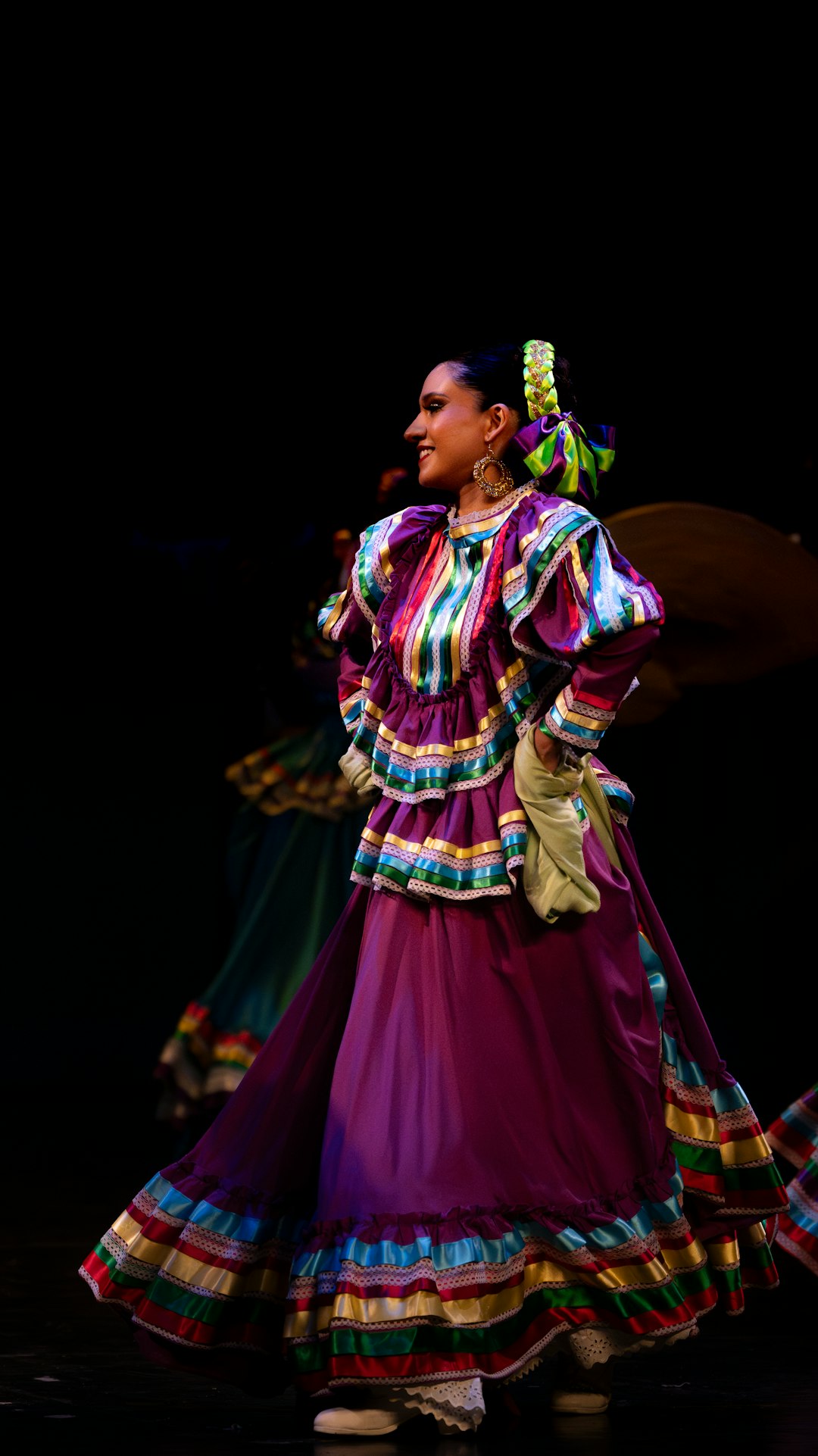
A milonga can last four hours. In that time, you'll execute thousands of weight shifts, hundreds of pivots, and countless backward steps in close embrace with a partner whose balance depends partly on your footwear. The wrong tango shoes don't just cause blisters—they compromise your axis, limit your vocabulary, and exhaust you before the first tanda ends.
Whether you're stepping into your first práctica or preparing for Buenos Aires, finding the right pair of tango shoes requires understanding how this dance's unique biomechanics—dissociation, close embrace connection, and sharp directional changes—demand more than generic dance footwear.
1. Comfort and Fit Architecture
Tango demands hours of standing and micro-movements. Unlike salsa or swing, where you might release into open position, tango keeps you in sustained proximity to your partner, meaning your weight distribution and foot fatigue affect two people, not one.
What to look for:
- Cushioned insoles with arch support that matches your foot structure (high arches need different support than flat feet)
- Snug heel cups that prevent sliding during backward ochos
- Toe box room for splay—your foot spreads under load during close embrace
Pro tip: Quality leather tango shoes require 10–15 hours of dancing to mold to your foot. Purchase 2–3 weeks before a major event, or expect discomfort at the worst possible moment.
2. Heel Height and Placement
Height matters, but placement determines your stability in close embrace.
Followers: Typically wear 2–3.5 inches. Beginners should start at 1.5–2 inches to develop ankle strength and proprioception before advancing to performance heights. Higher heels create beautiful lines but demand stronger core engagement.
Leaders: Generally prefer 0.5–1.5 inches. Some female leaders and non-binary dancers wear higher heels; some male followers prefer flats. Your role and personal biomechanics matter more than gender.
Critical detail—heel placement:
- Centered heels (directly under the heel bone) promote better axis alignment for close-embrace dancing
- Rear-placed heels create dramatic lines but require stronger ankle stability and can pitch you forward onto your partner
Argentine-made shoes typically feature centered heels; European brands often favor rear placement. Try both to discover what stabilizes your axis.
3. Material and Breaking-In Reality
Leather dominates quality tango footwear for good reason: it breathes during marathon milongas, flexes across the metatarsals for proper pointe, and molds to your unique foot shape over time.
Leather types:
- Calfskin: Soft, quick break-in, less durable
- Kidskin: Premium balance of flexibility and longevity
- Patent leather: Stunning visual impact, minimal stretch—buy your exact size
Synthetics: Viable for beginners testing commitment, but expect less breathability and a shorter lifespan. Some dancers keep synthetic practice shoes and reserve leather for milongas.
4. Sole Engineering for Tango's Movement Vocabulary
Tango's characteristic sweeping movements and controlled pivots demand specific sole properties.
| Sole Type | Best For | Tango Application |
|---|---|---|
| Leather | Smooth wooden floors, experienced dancers | Superior glide for long, sweeping steps; requires precise balance |
| Suede | Beginners, learning dissociation | Controlled pivoting without excessive slip; forgives imperfect technique |
| Rubber/Composite | Outdoor prácticas, concrete, marble | Safety on unpredictable surfaces; sacrifices glide |
Floor surface variability matters. If you travel to Buenos Aires, you'll encounter marble, parquet, and painted concrete—sometimes in the same venue. Consider shoes with replaceable soles or pack multiple pairs.
5. Style, Security, and Toe Protection
Aesthetics meet function in tango shoe design.
Strap configurations:
- T-straps: Maximum security for boleos and quick weight changes
- Criss-cross: Even pressure distribution across the instep
- Ankle straps: Essential for followers; prevents heel slippage during back steps
Open vs. closed toe: Open toes create elegant lines but offer no protection in crowded milongas where collisions happen. Closed toes or peep-toe designs preserve your feet when navigation fails.
Classic vs. modern: Oxfords and Mary Janes signal traditional tango; contemporary designs with architectural heels or metallic finishes work for alternative events. Match your shoes to your milonga's culture.
Making Your Decision
The best tango shoes disappear on your feet—present enough to support your technique, absent enough to let you focus on connection. Prioritize fit and function over flash; a well-made Argentine pair that fits properly will outlast three trendy