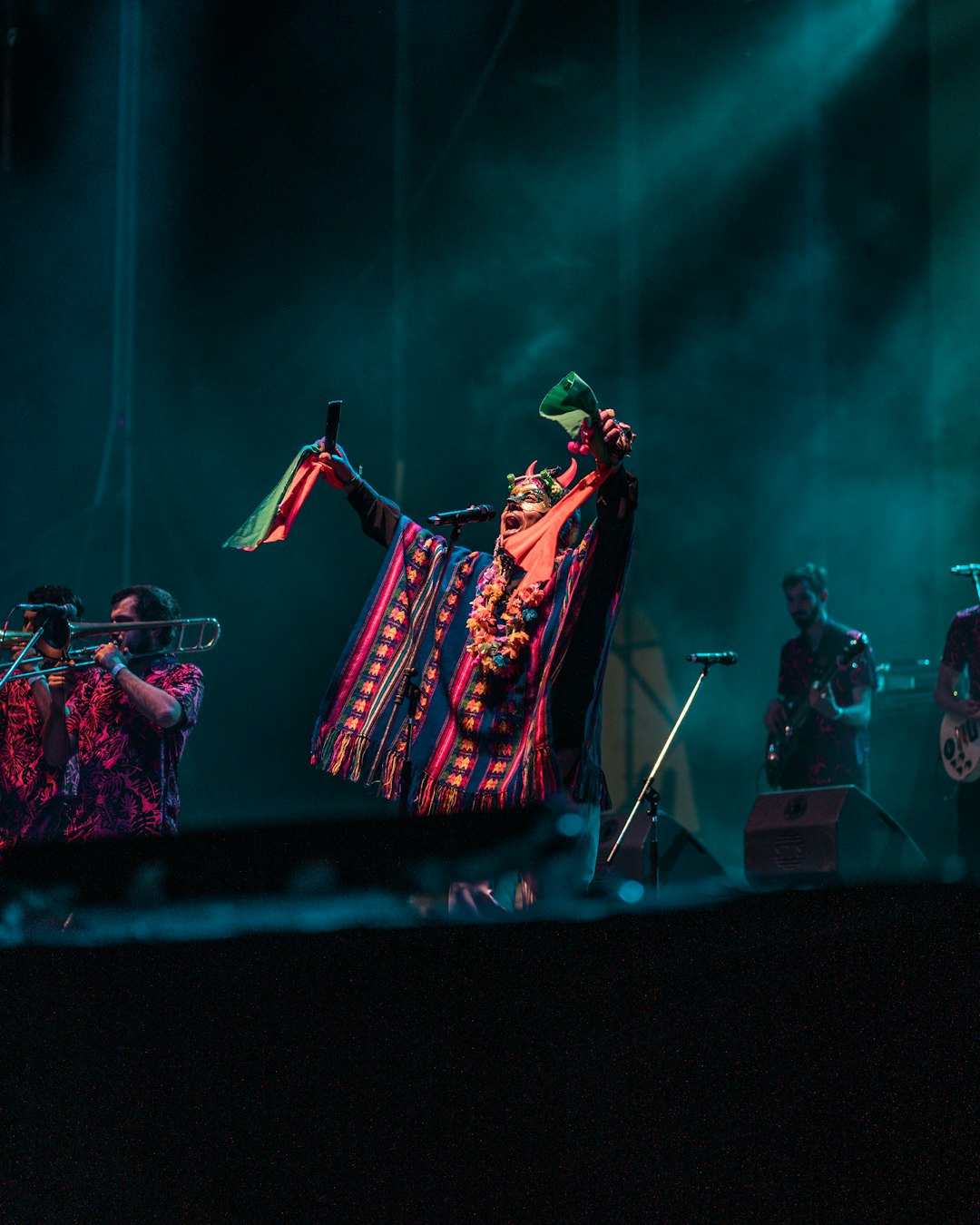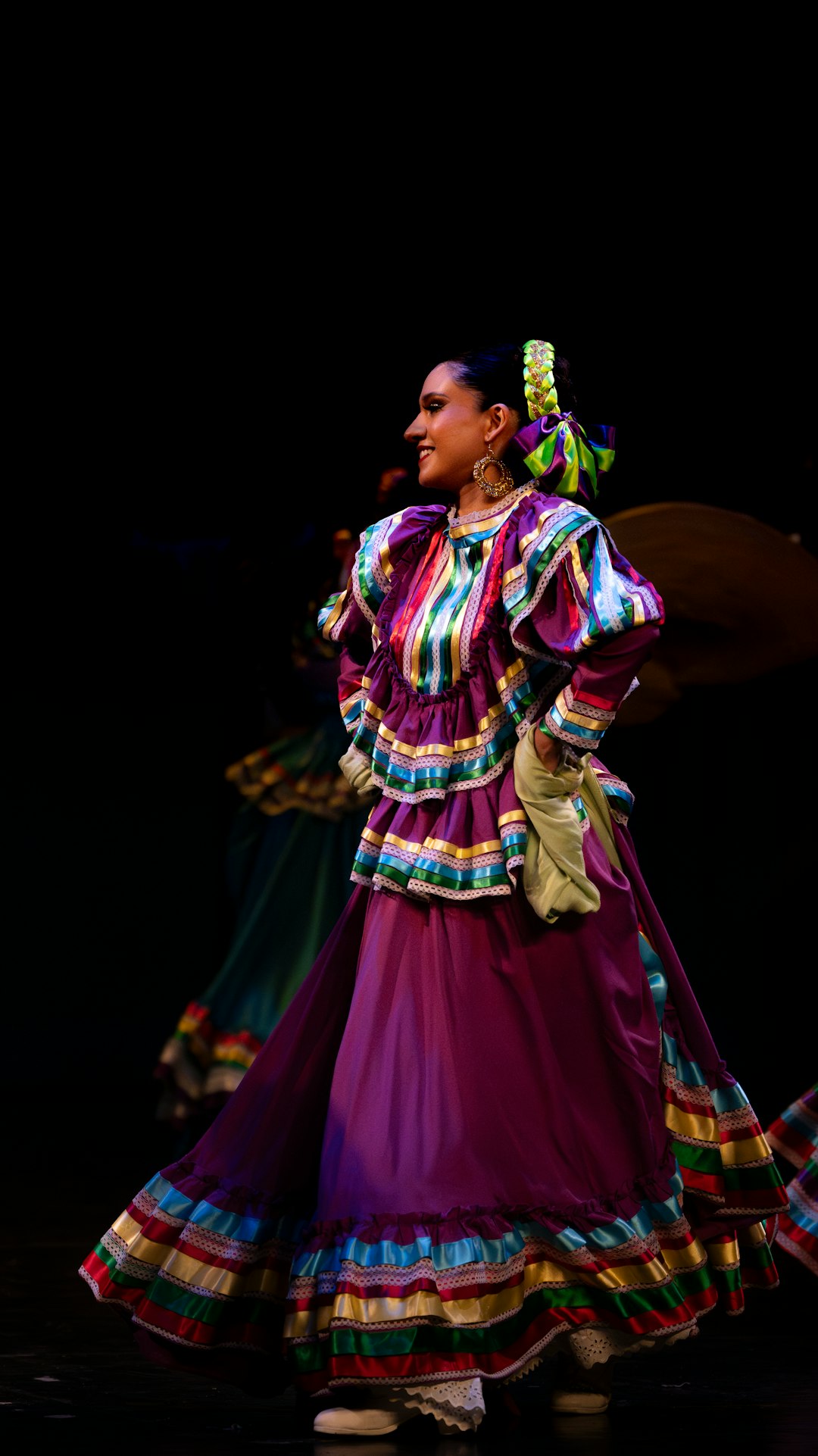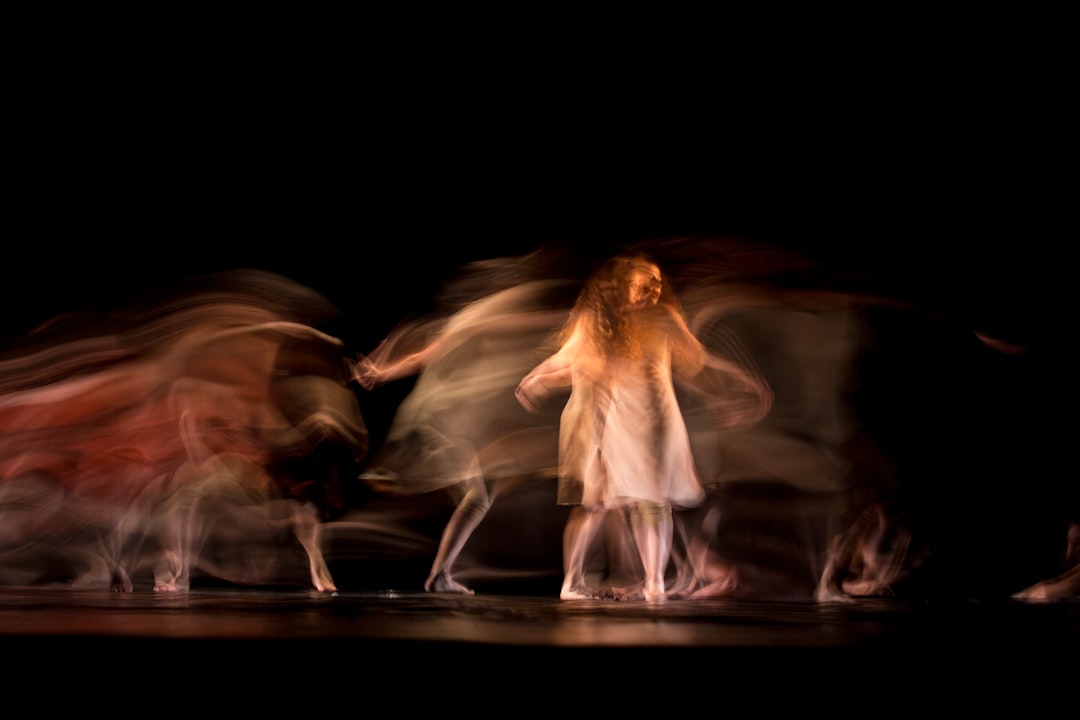
You're three songs into your first tanda at a crowded Buenos Aires milonga. The orchestra is driving a fast vals, the floor is a living current of bodies, and your partner's embrace suddenly tightens—not with connection, but with anxiety. Somewhere behind you, a heel catches your shoe. This is where tango etiquette transforms from abstract politeness into the practical architecture of a shared experience.
Mastering tango means understanding that technique and courtesy are inseparable. The following principles apply across salon, milonguero, and nuevo styles, though you'll adapt their expression to each context.
The Lead: Invitation, Not Instruction
A skilled lead doesn't move a follower; they create conditions where movement becomes natural. This distinction separates commanding from inviting.
DO initiate from your center. Before your feet move, shift your weight through your core—forward, back, or to the side. This internal preparation gives your partner time to receive your intention through the embrace. Think of it as the inhale before speech.
DO maintain consistent tone in your arms. Your embrace should feel like a settled conversation, not a grip that tightens with difficulty or loosens with uncertainty. Arms frame the connection; they don't generate it.
DO leave space for interpretation. A lead proposes; the follower completes. If you indicate a direction but your partner extends the movement or adds adornment, receive it as response rather than resistance.
DON'T pull or yank for position. If a turn isn't working, your body placement was likely imprecise. Force masks poor preparation and erodes trust within seconds.
DON'T micromanage every step. The most musical tangos emerge when leaders set up possibilities then release control, allowing followers to find their own relationship to the phrase.
The Follow: Active Receptivity
Following is not waiting. It's a state of tuned attention that processes information faster than conscious thought, transforming suggestion into shared motion.
DO complete your response before receiving the next. Many followers rush ahead, anticipating rather than inhabiting each movement. Let your weight settle fully into a step; this "listening" pause tells your partner you're present and creates the unhurried quality that distinguishes social tango from performance.
DO maintain your own axis. A follower who collapses into their partner creates physical dependency that exhausts both dancers. Your verticality is your contribution to the shared architecture.
DO use your eyes for connection, not verification. Looking at feet breaks the postural alignment that makes following possible. Feel direction through the torso; trust your proprioception over visual confirmation.
DON'T back-lead or correct. If a lead is unclear, respond to what you received rather than what was intended. Your adaptation teaches more than verbal instruction ever could.
DON'T disengage mentally during "simple" moments. The walking sections—salida, caminata—often reveal most about a partnership's quality. Boredom in basics indicates you're dancing choreography, not conversation.
The Conversation: When Both Partners Speak
Tango communication operates below language, in registers of pressure, timing, and breath. Developing this vocabulary takes longer than learning steps but ultimately defines the dance.
DO calibrate your sensitivity bidirectionally. After leading a movement, pause to feel whether your partner has completed their response. This feedback loop—intention, response, acknowledgment—prevents the mechanical, rushed quality of command-driven dancing.
DO adjust for your partner's current capacity. A dancer who was fluent last month may be tentative tonight—fatigue, unfamiliar shoes, emotional weight. Etiquette means reading these conditions and modulating accordingly, not holding partners to their best previous performance.
DO acknowledge errors lightly. A collision, a misread lead, a stumbled step—brief eye contact and a small nod suffices. Extended apology disrupts the tanda's flow; denial breeds tension.
DON'T teach on the floor. Unless explicitly requested, offering instruction implies your partner is failing. The social dance is for application, not analysis. Save feedback for practicas, where it's welcome.
DON'T ignore discomfort signals. A stiffening back, a breaking connection, averted eyes—these are your partner's only available language when something hurts or feels unsafe. Respond immediately by reducing complexity or checking in verbally if the signal persists.
The Milonga: Dancing in Community
Tango etiquette extends beyond the couple to the collective space. These rules separate welcomed guests from tolerated intrusions.
DO enter the floor at corners, with eye contact. The line of dance moves counterclockwise; approaching dancers have right of way. Wait for acknowledgment before stepping into the stream.
DO maintain consistent distance from couples ahead. Tailgating causes accordion effects that ripple through the floor. If the couple before you slows, adapt rather than passing impatiently.
DO use the cabeceo for invitations. Across the room, catch a prospective